THE ADVENTURE COLLECTIVE® · Independent discovery and booking for outdoor travel

A private 12-day loop that visits Kathmandu Valley’s seven UNESCO sites plus Chitwan, Lumbini and Pokhara. Expect city walking, a mountain-flight to Everest and wildlife safaris — a compact cultural and nature journey across Nepal’s elevation zones.
A private 12-day loop that visits Kathmandu Valley’s seven UNESCO sites plus Chitwan, Lumbini and Pokhara. Expect city walking, a mountain-flight to Everest and wildlife safaris — a compact cultural and nature journey across Nepal’s elevation zones.
The plane eases into the Kathmandu valley and the city unfolds — terracotta roofs, narrow lanes, and prayer flags snapping in the wind. A local guide meets you; by the end of the day you’ve walked through a Durbar square where carved wood and stone hold centuries of festivals, and watched monks circumambulate Boudhanath’s white dome as dusk paints the stupa gold.
Verified experiences and guided adventures in the surrounding area.
Operated by Altitude Himalaya · Kathmandu, Bagmati Province
The plane eases into the Kathmandu valley and the city unfolds — terracotta roofs, narrow lanes, and prayer flags snapping in the wind. A local guide meets you; by the end of the day you’ve walked through a Durbar square where carved wood and stone hold centuries of festivals, and watched monks circumambulate Boudhanath’s white dome as dusk paints the stupa gold.
This 12-day private loop stitches together seven UNESCO sites inside the valley with visits to Chitwan National Park, Lumbini and Pokhara. Geology shifts fast here: Kathmandu sits at ~1,400 m on an alluvial basin ringed by folded Himalayan foothills, while Pokhara (≈827 m) opens to the Annapurna massif and Chitwan drops into subtropical Terai plains (≈200–415 m). History is tangible—Newar kings left ornate palaces and stone temples; Ashoka’s pillar and Maya Devi Temple anchor Buddhist Lumbini; the Everest mountain flight offers a cloud-level view of peaks above 8,000 m.
Expect a mix of city walking (cobbled squares, temple steps), short drives (Kathmandu–Pokhara ≈200 km, 6–7 hours by road) and wildlife time in Chitwan: jeep safaris, canoeing on the Rapti River, and village visits with Tharu cultural programs. Morning mountain flights are best for clarity; early starts are frequent. Practicalities include light hiking shoes, sun protection, and a modest pace for acclimatization. Bring a refillable bottle, local SIM for navigation, and patience for traffic in Thamel.
The itinerary balances culture, wildlife and landscape — efficient transportation links sites across elevation zones, letting travelers sample Nepal’s architectural heritage and raw Himalayan presence in a single, compact journey.
moderate.
12 days.
Light–moderate fitness; daily walking on uneven temple steps and some full-day drives. No technical fitness required, but be prepared for long travel days.
Most nationalities require a tourist visa obtainable on arrival at Kathmandu airport or in advance online; check current visa rules before travel.
The mountain flight provides aerial views of Everest and surrounding peaks but visibility depends on weather; mornings give the best chance of clear skies.
Chitwan safaris are conducted by trained guides and park rangers; follow guide instructions, avoid approaching animals, and wear neutral clothing to reduce risk.
This is a cultural and wildlife tour with moderate walking; no technical skills are required but participants should be comfortable with stairs and multi-hour drives.
Kathmandu Valley’s Durbar Squares reflect medieval Newar craftsmanship; Lumbini marks the historic birthplace of Siddhartha Gautama (Buddha) with Ashokan-era inscriptions.
Chitwan operates community-based conservation programs that balance tourism with rhino and tiger protection; visitors should minimize plastic use and follow park rules to reduce impact.
Altitude Himalaya operates guided outdoor trips and adventures with an emphasis on safety, stewardship, and memorable experiences.
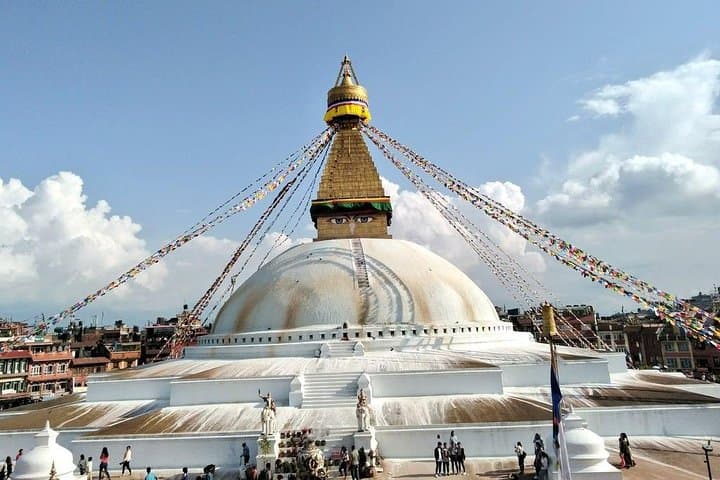
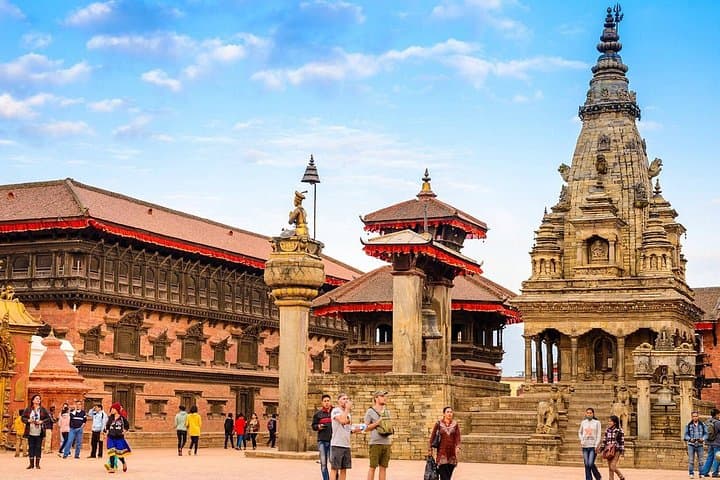
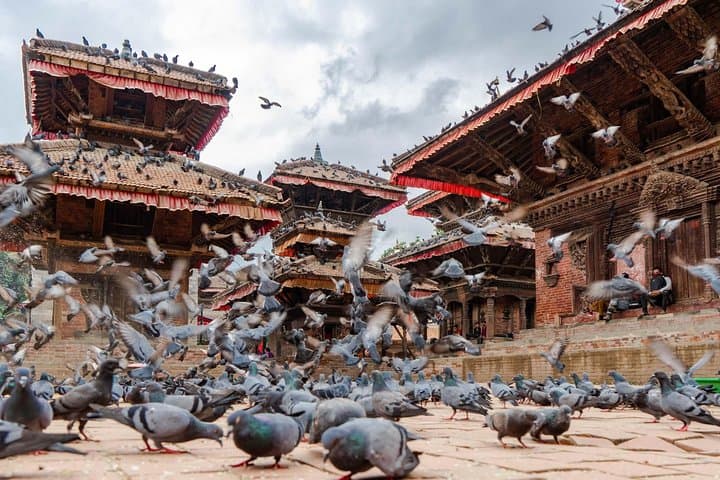
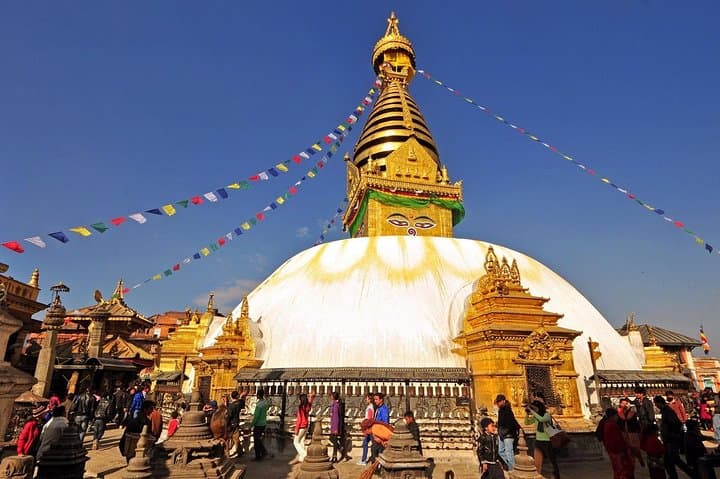
The plane eases into the Kathmandu valley and the city unfolds — terracotta roofs, narrow lanes, and prayer flags snapping in the wind. A local guide meets you; by the end of the day you’ve walked through a Durbar square where carved wood and stone hold centuries of festivals, and watched monks circumambulate Boudhanath’s white dome as dusk paints the stupa gold.
The plane eases into the Kathmandu valley and the city unfolds — terracotta roofs, narrow lanes, and prayer flags snapping in the wind. A local guide meets you; by the end of the day you’ve walked through a Durbar square where carved wood and stone hold centuries of festivals, and watched monks circumambulate Boudhanath’s white dome as dusk paints the stupa gold.
This 12-day private loop stitches together seven UNESCO sites inside the valley with visits to Chitwan National Park, Lumbini and Pokhara. Geology shifts fast here: Kathmandu sits at ~1,400 m on an alluvial basin ringed by folded Himalayan foothills, while Pokhara (≈827 m) opens to the Annapurna massif and Chitwan drops into subtropical Terai plains (≈200–415 m). History is tangible—Newar kings left ornate palaces and stone temples; Ashoka’s pillar and Maya Devi Temple anchor Buddhist Lumbini; the Everest mountain flight offers a cloud-level view of peaks above 8,000 m.
Expect a mix of city walking (cobbled squares, temple steps), short drives (Kathmandu–Pokhara ≈200 km, 6–7 hours by road) and wildlife time in Chitwan: jeep safaris, canoeing on the Rapti River, and village visits with Tharu cultural programs. Morning mountain flights are best for clarity; early starts are frequent. Practicalities include light hiking shoes, sun protection, and a modest pace for acclimatization. Bring a refillable bottle, local SIM for navigation, and patience for traffic in Thamel.
The itinerary balances culture, wildlife and landscape — efficient transportation links sites across elevation zones, letting travelers sample Nepal’s architectural heritage and raw Himalayan presence in a single, compact journey.