THE ADVENTURE COLLECTIVE® · Independent discovery and booking for outdoor travel

A 12-day self-drive lodge tour across Namibia that stitches Etosha’s waterholes to Sossusvlei’s towering dunes and the deep, raw sweep of Fish River Canyon. Ideal for travelers who want big landscapes, wildlife viewing, and the freedom of a road trip with lodge comforts.
A 12-day self-drive lodge tour across Namibia that stitches Etosha’s waterholes to Sossusvlei’s towering dunes and the deep, raw sweep of Fish River Canyon. Ideal for travelers who want big landscapes, wildlife viewing, and the freedom of a road trip with lodge comforts.
The day opens on the wide streets of Windhoek with dust still clinging to the rental car’s grille. You turn the key and the dashboard hums; ahead lie salt pans that flare white in midday sun, dunes that lift like slow waves, and a canyon that makes the world feel suddenly small. Over 12 days you’ll drive from the highland capital through Etosha’s watering holes, across the rust-red sweep of Sossusvlei, down to the haunting ghost town of Kolmanskop, and finally to the sheer drop of Fish River Canyon. Each morning the landscape changes its posture—savanna alert and watchful, desert stripped and austere, coast where sea and sand argue for space.
Verified experiences and guided adventures in the surrounding area.
Operated by Motema Tours and Safaris Namibia · Windhoek, Khomas
The day opens on the wide streets of Windhoek with dust still clinging to the rental car’s grille. You turn the key and the dashboard hums; ahead lie salt pans that flare white in midday sun, dunes that lift like slow waves, and a canyon that makes the world feel suddenly small. Over 12 days you’ll drive from the highland capital through Etosha’s watering holes, across the rust-red sweep of Sossusvlei, down to the haunting ghost town of Kolmanskop, and finally to the sheer drop of Fish River Canyon. Each morning the landscape changes its posture—savanna alert and watchful, desert stripped and austere, coast where sea and sand argue for space.
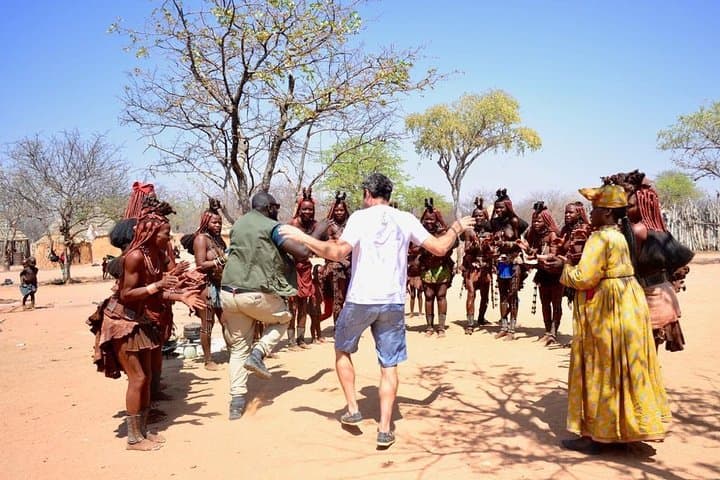
Namibia’s geography is a study in extremes. The Namib Desert is among the oldest deserts on Earth; its dunes—formed by wind and time—are constantly moving, pushing the coastline’s sands inland. Geological forces split the Fish River Canyon over eons, leaving a scar that stretches 160 kilometers and plunges more than 500 meters deep. Culturally, this route threads colonial histories with indigenous lifeways: Herero and Himba communities continue pastoral traditions while towns like Lüderitz keep the ghosts of a diamond boom visible in rusted rail and half-buried façades.
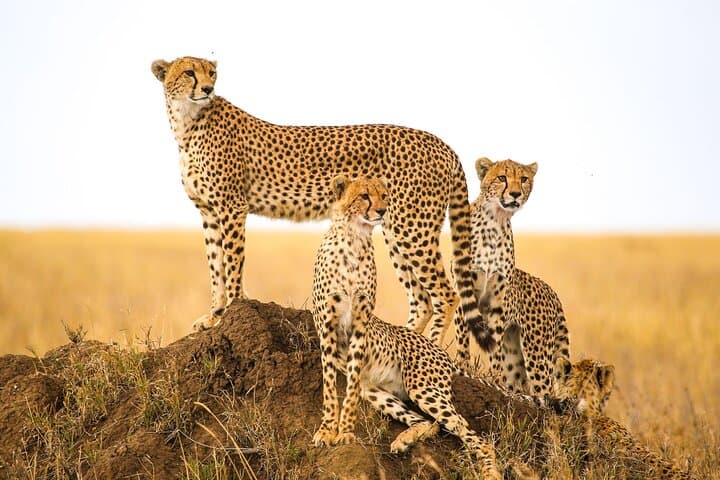
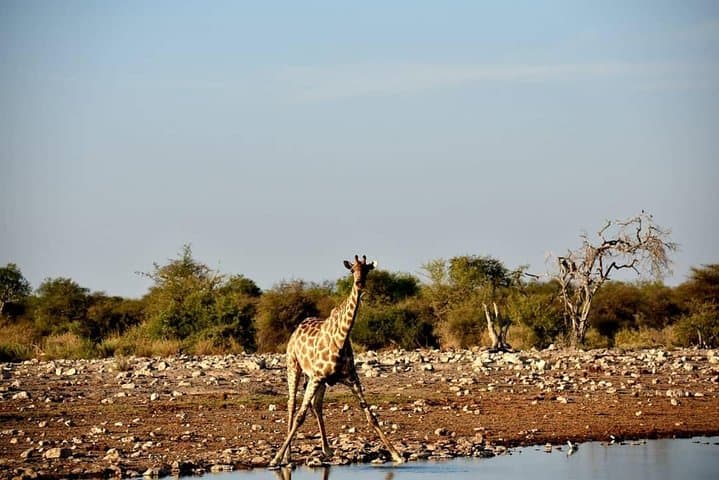
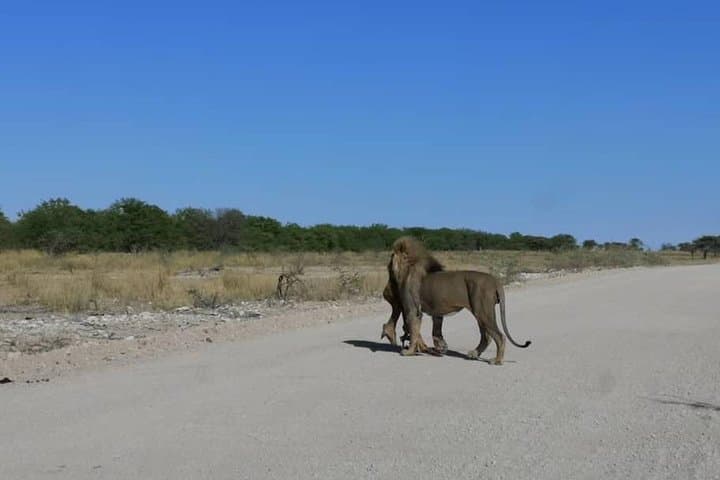
Wildlife encounters are pragmatic and intimate rather than cinematic. In Etosha, waterholes act like neighborhood squares—elephants arrive like steady elders, oryx (gemsbok) stake territory with flared curiosity, and cheetahs slip between shadows. On the coast, seals and pelicans animate the lagoon at Walvis Bay, and dunes near Swakopmund are the playground for adrenaline sports if you want to swap quiet landscape for speed.
Practical planning makes this trip work. The itinerary is lodge-based with a self-drive format—expect long driving segments (some gravel), daily check-ins with hosts, and pre-booked accommodations. Carry extra water and a full-size spare tire; fuel stations can be infrequent between major towns. For photography, rise before sunrise at Sossusvlei to capture the dune crests in cold, violet light; late afternoon softens Fish River Canyon’s cliffs into layered color. Respect private lands and follow park rules: stay on marked roads, never feed wildlife, and minimize water use in lodges.
Health and safety are straightforward: bring sun protection, a basic first-aid kit, and any necessary medications—medical facilities are sparse outside Windhoek. Navigation is a mix of GPS and paper maps; cell coverage is patchy, so download offline maps and give yourself buffer time for unpaved stretches. This self-drive lodge tour is equal parts solitude and spectacle—if you go prepared, Namibia’s elemental landscape rewards patience with moments that feel both ancient and immediate.
moderate.
12 days.
Moderate fitness: comfortable with several hours of driving per day and short walks at sites; not technically demanding.
A valid driver’s license from your home country is accepted for most nationalities; an International Driving Permit is recommended if your license is not in Roman script.
May–September (dry season/winter) is best for wildlife viewing and cooler temperatures; November–March is hotter with occasional rains and greener scenery.
Main tar roads are fine for standard cars; many itinerary sections include gravel or sandy stretches—a high-clearance vehicle is recommended for comfort and safety.
Drink bottled or treated water outside of major towns; lodges typically provide safe drinking water but carry extra just in case.
Expect several long driving days—some stretches can be 4–6 hours between major stops; plan for slower speeds on gravel roads.
The tour includes guided game drives in parks like Etosha; lodge and reserve activities may be optional and billed separately.
Lüderitz and Kolmanskop reflect Namibia’s colonial and diamond-mining past—ghost towns and abandoned infrastructure reveal a boom-and-bust era of the early 20th century.
Stick to marked roads, use water sparingly, and support community-run conservancies that benefit wildlife and local livelihoods.
Motema Tours and Safaris Namibia operates guided outdoor trips and adventures with an emphasis on safety, stewardship, and memorable experiences.
The day opens on the wide streets of Windhoek with dust still clinging to the rental car’s grille. You turn the key and the dashboard hums; ahead lie salt pans that flare white in midday sun, dunes that lift like slow waves, and a canyon that makes the world feel suddenly small. Over 12 days you’ll drive from the highland capital through Etosha’s watering holes, across the rust-red sweep of Sossusvlei, down to the haunting ghost town of Kolmanskop, and finally to the sheer drop of Fish River Canyon. Each morning the landscape changes its posture—savanna alert and watchful, desert stripped and austere, coast where sea and sand argue for space.
The day opens on the wide streets of Windhoek with dust still clinging to the rental car’s grille. You turn the key and the dashboard hums; ahead lie salt pans that flare white in midday sun, dunes that lift like slow waves, and a canyon that makes the world feel suddenly small. Over 12 days you’ll drive from the highland capital through Etosha’s watering holes, across the rust-red sweep of Sossusvlei, down to the haunting ghost town of Kolmanskop, and finally to the sheer drop of Fish River Canyon. Each morning the landscape changes its posture—savanna alert and watchful, desert stripped and austere, coast where sea and sand argue for space.
Namibia’s geography is a study in extremes. The Namib Desert is among the oldest deserts on Earth; its dunes—formed by wind and time—are constantly moving, pushing the coastline’s sands inland. Geological forces split the Fish River Canyon over eons, leaving a scar that stretches 160 kilometers and plunges more than 500 meters deep. Culturally, this route threads colonial histories with indigenous lifeways: Herero and Himba communities continue pastoral traditions while towns like Lüderitz keep the ghosts of a diamond boom visible in rusted rail and half-buried façades.
Wildlife encounters are pragmatic and intimate rather than cinematic. In Etosha, waterholes act like neighborhood squares—elephants arrive like steady elders, oryx (gemsbok) stake territory with flared curiosity, and cheetahs slip between shadows. On the coast, seals and pelicans animate the lagoon at Walvis Bay, and dunes near Swakopmund are the playground for adrenaline sports if you want to swap quiet landscape for speed.
Practical planning makes this trip work. The itinerary is lodge-based with a self-drive format—expect long driving segments (some gravel), daily check-ins with hosts, and pre-booked accommodations. Carry extra water and a full-size spare tire; fuel stations can be infrequent between major towns. For photography, rise before sunrise at Sossusvlei to capture the dune crests in cold, violet light; late afternoon softens Fish River Canyon’s cliffs into layered color. Respect private lands and follow park rules: stay on marked roads, never feed wildlife, and minimize water use in lodges.
Health and safety are straightforward: bring sun protection, a basic first-aid kit, and any necessary medications—medical facilities are sparse outside Windhoek. Navigation is a mix of GPS and paper maps; cell coverage is patchy, so download offline maps and give yourself buffer time for unpaved stretches. This self-drive lodge tour is equal parts solitude and spectacle—if you go prepared, Namibia’s elemental landscape rewards patience with moments that feel both ancient and immediate.