THE ADVENTURE COLLECTIVE® · Independent discovery and booking for outdoor travel

A compact, 12-day circuit through Morocco’s imperial cities, Rif and Atlas highlands, and the Sahara. Expect medina markets, desert camps, gorges and coastal Essaouira—pack layers and a sense of curiosity.
A compact, 12-day circuit through Morocco’s imperial cities, Rif and Atlas highlands, and the Sahara. Expect medina markets, desert camps, gorges and coastal Essaouira—pack layers and a sense of curiosity.
You arrive under an open sky where the Atlantic wind pushes through Marrakesh’s palm-lined avenues and, in a matter of days, the Sahara’s dunes will rearrange your sense of space. The first morning unfolds at Hassan II Mosque by the ocean; by week’s end a camel track cuts a slow, rhythmic line across Erg Chebbi while stars press close overhead.
Verified experiences and guided adventures in the surrounding area.
Operated by Sunny Morocco · Marrakech, Marrakesh-Safi
You arrive under an open sky where the Atlantic wind pushes through Marrakesh’s palm-lined avenues and, in a matter of days, the Sahara’s dunes will rearrange your sense of space. The first morning unfolds at Hassan II Mosque by the ocean; by week’s end a camel track cuts a slow, rhythmic line across Erg Chebbi while stars press close overhead.
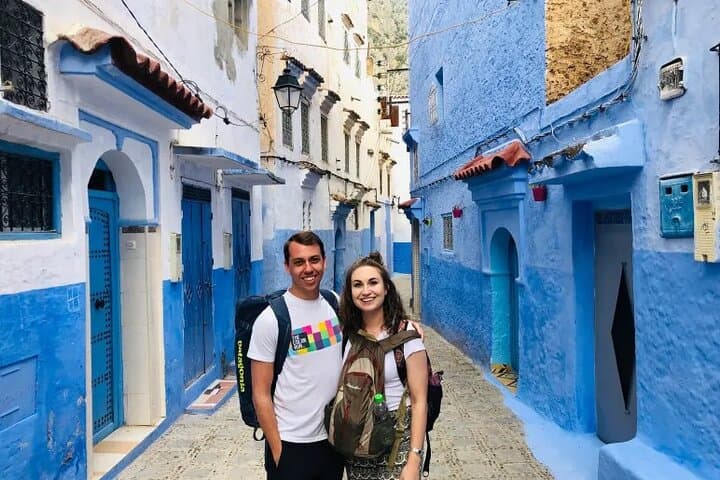
This 12-day loop threads Morocco’s major cultural and geological chapters: Atlantic coastlines and modern Casablanca, the Roman‑and‑Islamic layers of Rabat and Fes, the blue-washed lanes of Chefchaouen high in the Rif, and the red walls and souks of Marrakech. The High Atlas and Anti-Atlas mountains yield to river-cut gorges at Todra, while the Sahara’s sand fields are wind‑sculpted by centuries of arid weather.
Expect centuries-old medinas, UNESCO kasbahs, and film sets at Ouarzazate; local tannery and pottery techniques persist in traditional souks. Guides orient you through etiquette—modest dress, bartering in markets—and the logistics of long transfers between sights.
Practically: pack layers for big diurnal swings, bring a refillable water bottle and sun protection, and choose sturdy walking shoes for uneven medina alleys and rocky gorges. Plan travel windows early in the morning or late afternoon to avoid midday heat; camel treks take 1–2 hours to dune camps and are gentle but sandy. Vaccinations and travel insurance are recommended; pharmacies are available in cities but remote desert nights have limited services.
This itinerary balances guided cultural immersion with active outdoor moments—ideal for travelers who want a paced but adventurous sweep across Morocco’s varied landscapes.
moderate.
12 days.
Suitable for travelers in average fitness; involves short walks, some uneven terrain, and camel rides—no technical fitness required.
Many nationalities can enter Morocco visa‑free for short stays; check your government’s travel site for current rules before booking.
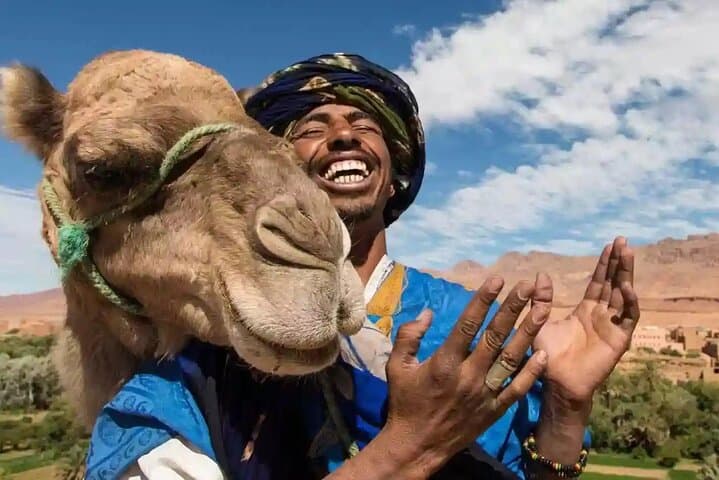
Camel treks are generally gentle (1–2 hours) and suitable for most travelers; desert camps are basic—expect sleeping bags/blankets and shared facilities depending on the camp.
Most breakfasts, lunches and dinners are included on this itinerary, and accommodation in hotels, riads and a desert camp is provided as outlined in the itinerary.
The tour notes wheelchair-accessible options for transport and some sites, but medina alleys and desert terrain can be uneven—contact the operator to review specific accessibility needs.
The route connects Morocco’s imperial capitals and historic trade paths—Fes and Marrakech were medieval centers of learning and commerce, while Ouarzazate grew as a caravan crossroads and later a film hub.
Travelers should use refillable bottles and avoid single-use plastics; stick to marked paths in gorges and dunes to reduce erosion and disturbance to fragile desert ecosystems.
Sunny Morocco operates guided outdoor trips and adventures with an emphasis on safety, stewardship, and memorable experiences.
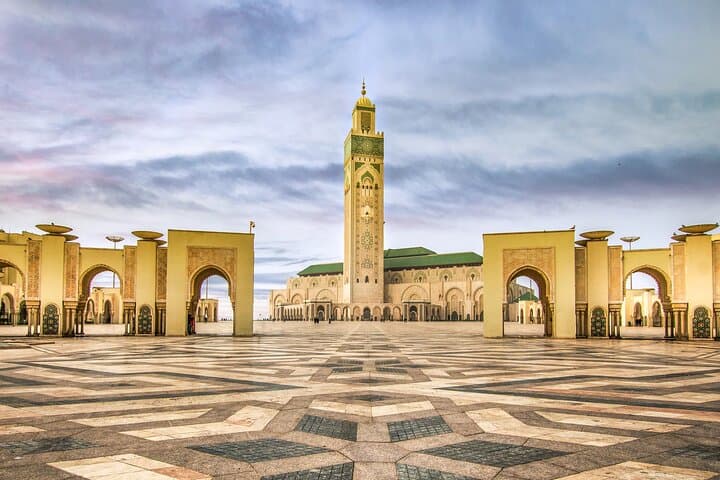
You arrive under an open sky where the Atlantic wind pushes through Marrakesh’s palm-lined avenues and, in a matter of days, the Sahara’s dunes will rearrange your sense of space. The first morning unfolds at Hassan II Mosque by the ocean; by week’s end a camel track cuts a slow, rhythmic line across Erg Chebbi while stars press close overhead.
You arrive under an open sky where the Atlantic wind pushes through Marrakesh’s palm-lined avenues and, in a matter of days, the Sahara’s dunes will rearrange your sense of space. The first morning unfolds at Hassan II Mosque by the ocean; by week’s end a camel track cuts a slow, rhythmic line across Erg Chebbi while stars press close overhead.
This 12-day loop threads Morocco’s major cultural and geological chapters: Atlantic coastlines and modern Casablanca, the Roman‑and‑Islamic layers of Rabat and Fes, the blue-washed lanes of Chefchaouen high in the Rif, and the red walls and souks of Marrakech. The High Atlas and Anti-Atlas mountains yield to river-cut gorges at Todra, while the Sahara’s sand fields are wind‑sculpted by centuries of arid weather.
Expect centuries-old medinas, UNESCO kasbahs, and film sets at Ouarzazate; local tannery and pottery techniques persist in traditional souks. Guides orient you through etiquette—modest dress, bartering in markets—and the logistics of long transfers between sights.
Practically: pack layers for big diurnal swings, bring a refillable water bottle and sun protection, and choose sturdy walking shoes for uneven medina alleys and rocky gorges. Plan travel windows early in the morning or late afternoon to avoid midday heat; camel treks take 1–2 hours to dune camps and are gentle but sandy. Vaccinations and travel insurance are recommended; pharmacies are available in cities but remote desert nights have limited services.
This itinerary balances guided cultural immersion with active outdoor moments—ideal for travelers who want a paced but adventurous sweep across Morocco’s varied landscapes.