THE ADVENTURE COLLECTIVE® · Independent discovery and booking for outdoor travel

Travel from Marrakech through High Atlas passes, UNESCO kasbahs and the Sahara on a 12-day circuit that blends riads, camel treks and coastal towns. Expect long drives, short treks, cultural immersion and nights under the desert sky.
Travel from Marrakech through High Atlas passes, UNESCO kasbahs and the Sahara on a 12-day circuit that blends riads, camel treks and coastal towns. Expect long drives, short treks, cultural immersion and nights under the desert sky.
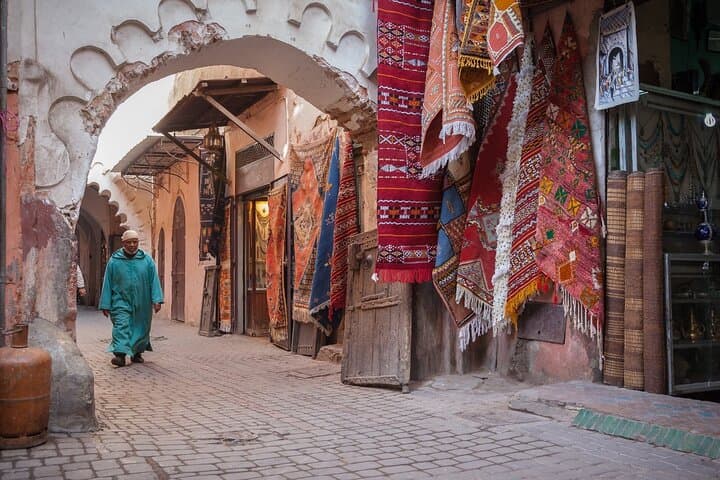
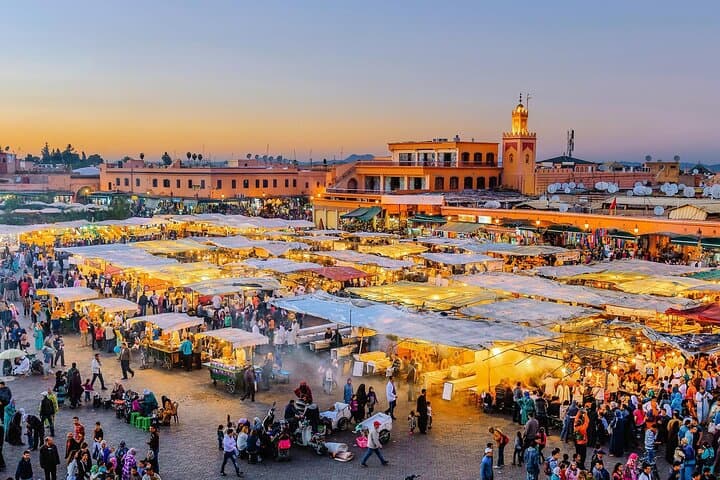
The morning light spills into Jemaa el-Fnaa as the group departs Marrakech, the medina’s call to prayer still echoing through narrow lanes. Over the next twelve days travelers move from the ochre walls of the city across the High Atlas switchbacks, past kasbahs that lean into the road, into the wind-sculpted silence of Erg Chebbi and on to the blue-washed alleys of Chefchaouen.
Verified experiences and guided adventures in the surrounding area.
Operated by Tilila Travel · Marrakech, Marrakech-Safi
The morning light spills into Jemaa el-Fnaa as the group departs Marrakech, the medina’s call to prayer still echoing through narrow lanes. Over the next twelve days travelers move from the ochre walls of the city across the High Atlas switchbacks, past kasbahs that lean into the road, into the wind-sculpted silence of Erg Chebbi and on to the blue-washed alleys of Chefchaouen.
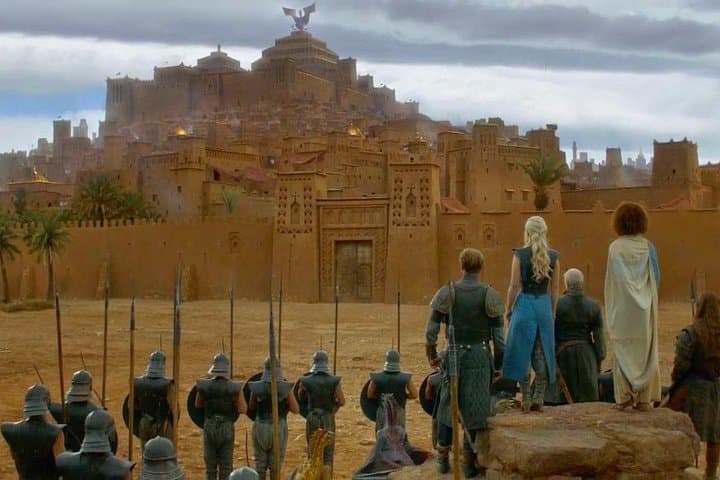
This route threads history and geology: the High Atlas rose from tectonic strain and holds terraced Berber villages; Ait Ben Haddou and Taourirt speak to fortified trade routes and 19th-century kasbah craft; Todra’s limestone gorges were carved by rivers daring the rock to stand; Erg Chebbi’s dunes are pure aeolian sand that shifts with each desert wind. Cultural highlights include riad hospitality in Marrakech, the medieval scholarship of Fes el-Bali, cedar forests where Barbary macaques forage, and coastal Essaouira’s fishing port and argan cooperatives.
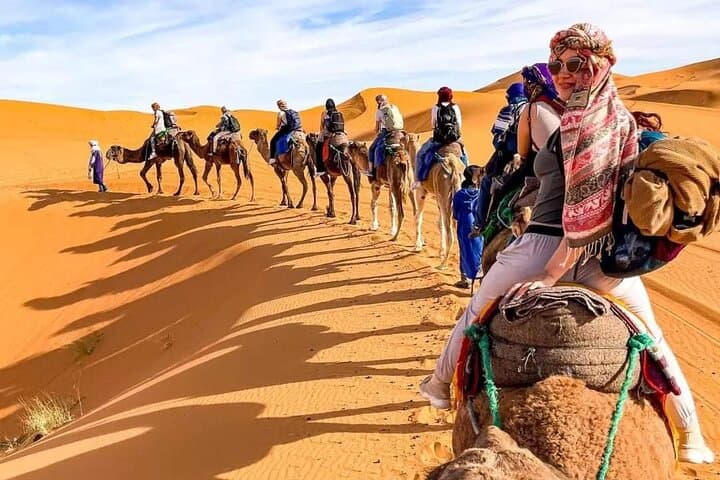
Practical guidance: expect long drives interspersed with walking—short canyon treks and medina exploration demand sturdy shoes and good navigation. Camel rides at sunset and sunrise offer the quiet of the dunes; nights in a desert bivouac mean simple bedding and an openness to cold desert air. Hydrate for altitude shifts in the Middle Atlas, carry sun protection for exposed stretches, and bring cash for local vendors and tips. Respect mosque access rules, dress modestly in rural and market areas, and time visits to major sites early to avoid crowds and midday heat.
This itinerary balances cultural immersion with landscapes that move—rock, sand, and sea—giving a clear, do-able route for travelers wanting Morocco’s full sweep.
moderate.
12 days.
Suitable for travelers with basic fitness who can handle several hours of walking and long road transfers; not highly strenuous but expect uneven terrain.
Yes — the itinerary includes a transfer from Marrakech airport to your hotel on arrival.
Yes — a 1.5-hour camel ride to the bivouac at Erg Chebbi is part of the program, typically timed for sunset.
The tour includes 11 nights’ accommodation with a desert bivouac night in Merzouga; the final day offers hotel breakfast and airport transfer but no added lodging.
Infants can travel but must sit on an adult’s lap; the operator does not recommend the tour for pregnant travelers or those with significant spinal or serious cardiovascular conditions.
The itinerary follows old caravan corridors and imperial city routes—Ait Ben Haddou and Fes reflect centuries of trans-Saharan trade and Islamic scholarship.
Stick to marked trails in gorges and dunes; support local cooperatives (argan, artisans) to keep economic benefits in communities and reduce pressure on fragile desert and forest ecosystems.
Tilila Travel operates guided outdoor trips and adventures with an emphasis on safety, stewardship, and memorable experiences.
The morning light spills into Jemaa el-Fnaa as the group departs Marrakech, the medina’s call to prayer still echoing through narrow lanes. Over the next twelve days travelers move from the ochre walls of the city across the High Atlas switchbacks, past kasbahs that lean into the road, into the wind-sculpted silence of Erg Chebbi and on to the blue-washed alleys of Chefchaouen.
The morning light spills into Jemaa el-Fnaa as the group departs Marrakech, the medina’s call to prayer still echoing through narrow lanes. Over the next twelve days travelers move from the ochre walls of the city across the High Atlas switchbacks, past kasbahs that lean into the road, into the wind-sculpted silence of Erg Chebbi and on to the blue-washed alleys of Chefchaouen.
This route threads history and geology: the High Atlas rose from tectonic strain and holds terraced Berber villages; Ait Ben Haddou and Taourirt speak to fortified trade routes and 19th-century kasbah craft; Todra’s limestone gorges were carved by rivers daring the rock to stand; Erg Chebbi’s dunes are pure aeolian sand that shifts with each desert wind. Cultural highlights include riad hospitality in Marrakech, the medieval scholarship of Fes el-Bali, cedar forests where Barbary macaques forage, and coastal Essaouira’s fishing port and argan cooperatives.
Practical guidance: expect long drives interspersed with walking—short canyon treks and medina exploration demand sturdy shoes and good navigation. Camel rides at sunset and sunrise offer the quiet of the dunes; nights in a desert bivouac mean simple bedding and an openness to cold desert air. Hydrate for altitude shifts in the Middle Atlas, carry sun protection for exposed stretches, and bring cash for local vendors and tips. Respect mosque access rules, dress modestly in rural and market areas, and time visits to major sites early to avoid crowds and midday heat.
This itinerary balances cultural immersion with landscapes that move—rock, sand, and sea—giving a clear, do-able route for travelers wanting Morocco’s full sweep.