THE ADVENTURE COLLECTIVE® · Independent discovery and booking for outdoor travel

A 12-day circuit from Agadir connecting Essaouira, Marrakech, Fez and the dunes of Erg Chebbi. Expect a mix of coastal markets, Atlas passes and sleepless-star desert nights with sunrise camel treks.
A 12-day circuit from Agadir connecting Essaouira, Marrakech, Fez and the dunes of Erg Chebbi. Expect a mix of coastal markets, Atlas passes and sleepless-star desert nights with sunrise camel treks.
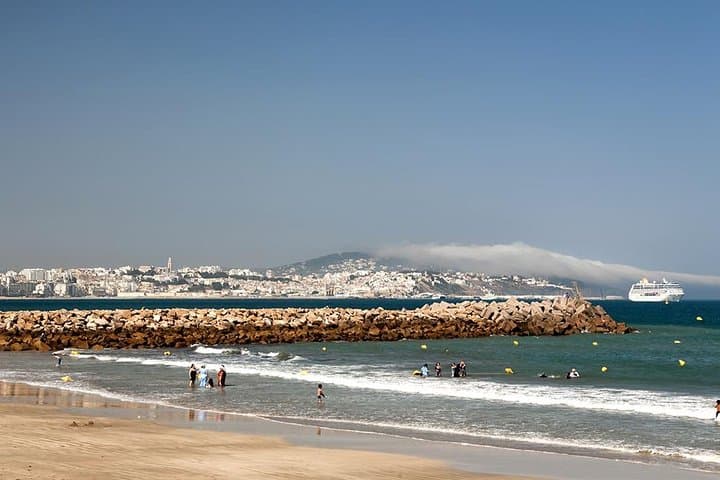
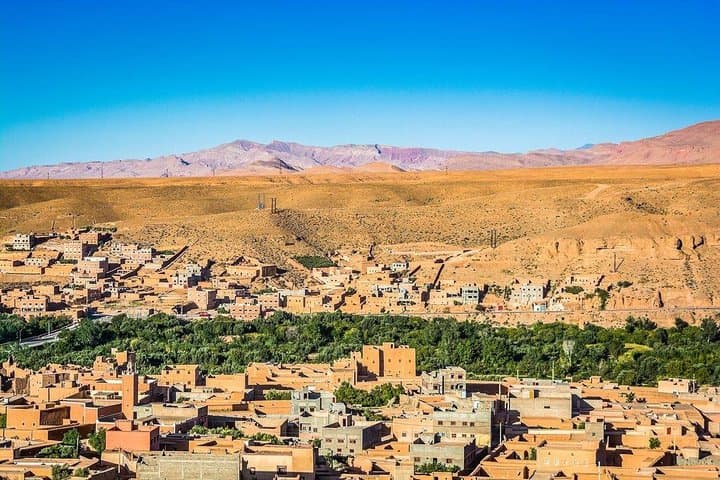
Morning light lifts off the Atlantic as a private van pulls out of Agadir and the landscape begins to change — scrubby coastline gives way to ochre plains, Atlas foothills and finally to dunes that roll like a living ocean.
Verified experiences and guided adventures in the surrounding area.
Operated by Tilila Travel · Agadir, Souss-Massa
Morning light lifts off the Atlantic as a private van pulls out of Agadir and the landscape begins to change — scrubby coastline gives way to ochre plains, Atlas foothills and finally to dunes that roll like a living ocean.
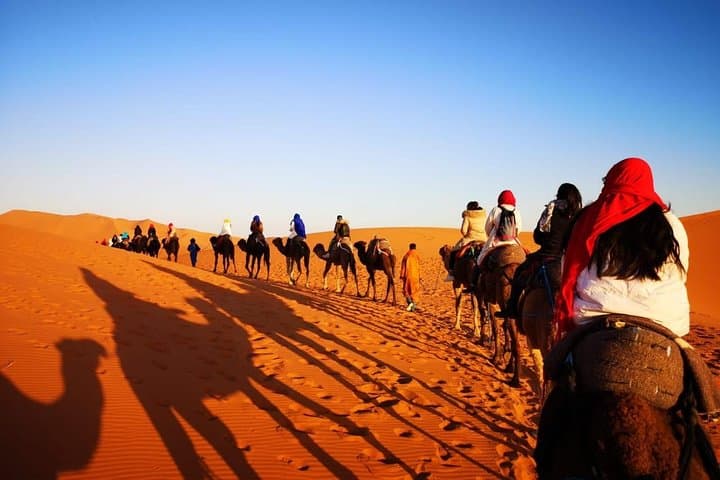
This 12-day loop threads Morocco’s imperial cities with its desert heart: Essaouira’s blue-trimmed medina and wood-scented souks; Marrakech’s ochre ramparts and Majorelle’s quiet palms; Fez’s medieval alleys and tannery terraces; and the orange sea of Erg Chebbi at Merzouga where camels trek to a Berber camp. Geology reads like a travelogue here — Atlantic plateaus, folded High Atlas limestone and the wind-sculpted sand seas whose tallest dunes in Erg Chebbi can reach roughly 120–150 meters.
History and culture arrive in market calls, kasbah stonework and centuries-old caravan routes that made towns like Rissani trade hubs. In the cedar woods near Ifrane, Barbary macaques appear among trunks that have stood since Roman and pre-Roman eras reshaped the land.
Practical guidance: expect long driving days (typical transfers 2–8 hours), unpaved tracks near dunes, and large temperature swings — hot afternoons, cold desert nights. Pack layered clothing, sturdy walking shoes for gorges and medina cobbles, a wide-brim hat, and a 1–2 liter reusable water bottle. Time dune visits for sunrise or sunset when sand is coolest and light is best for photography. Bring cash for small souks and tipping; follow local guidance around religious sites and fragile habitats. The trip balances cultural immersion with straightforward logistics — a route designed to move you through Morocco’s contrasts without hurries.
moderate.
12 days.
Reasonable stamina for multi-hour drives, short hikes in gorges, and 1–2 hour camel treks; not strenuous but expect long travel days.
Daily transfers range from short city drives (1–3 hours) to longer cross-country legs (up to 7–8 hours); most travel days include scheduled stops at viewpoints and sites.
Camps are traditional Berber tents offering sleeping mats or beds, shared facilities, dinner and tea; expect simple comforts and cold nights depending on season.
The itinerary notes suitability for all fitness levels, but it's not recommended for pregnant travelers or those with serious back/heart conditions due to long drives and camel rides.
Use Moroccan dirham for markets and small purchases; tipping drivers, guides and camp staff is customary—carry small notes for local expenses.
The route traces caravan corridors and imperial capitals — Fez and Marrakech grew as medieval centers of learning and trade, while Aït Benhaddou guarded trans-Saharan routes.
Support local cooperatives and use water sparingly in arid zones; stick to marked tracks in gorges and dunes to reduce erosion and protect plant life.
Tilila Travel operates guided outdoor trips and adventures with an emphasis on safety, stewardship, and memorable experiences.
Morning light lifts off the Atlantic as a private van pulls out of Agadir and the landscape begins to change — scrubby coastline gives way to ochre plains, Atlas foothills and finally to dunes that roll like a living ocean.
Morning light lifts off the Atlantic as a private van pulls out of Agadir and the landscape begins to change — scrubby coastline gives way to ochre plains, Atlas foothills and finally to dunes that roll like a living ocean.
This 12-day loop threads Morocco’s imperial cities with its desert heart: Essaouira’s blue-trimmed medina and wood-scented souks; Marrakech’s ochre ramparts and Majorelle’s quiet palms; Fez’s medieval alleys and tannery terraces; and the orange sea of Erg Chebbi at Merzouga where camels trek to a Berber camp. Geology reads like a travelogue here — Atlantic plateaus, folded High Atlas limestone and the wind-sculpted sand seas whose tallest dunes in Erg Chebbi can reach roughly 120–150 meters.
History and culture arrive in market calls, kasbah stonework and centuries-old caravan routes that made towns like Rissani trade hubs. In the cedar woods near Ifrane, Barbary macaques appear among trunks that have stood since Roman and pre-Roman eras reshaped the land.
Practical guidance: expect long driving days (typical transfers 2–8 hours), unpaved tracks near dunes, and large temperature swings — hot afternoons, cold desert nights. Pack layered clothing, sturdy walking shoes for gorges and medina cobbles, a wide-brim hat, and a 1–2 liter reusable water bottle. Time dune visits for sunrise or sunset when sand is coolest and light is best for photography. Bring cash for small souks and tipping; follow local guidance around religious sites and fragile habitats. The trip balances cultural immersion with straightforward logistics — a route designed to move you through Morocco’s contrasts without hurries.