THE ADVENTURE COLLECTIVE® · Independent discovery and booking for outdoor travel

A 12-day circuit across western Madagascar that combines a multi-day Tsiribihina river descent, visits to Petit and Grand Tsingy, Kirindy’s wildlife, and the iconic baobab avenue. Expect river bivouacs, limestone hikes, and cultural village encounters.
A 12-day circuit across western Madagascar that combines a multi-day Tsiribihina river descent, visits to Petit and Grand Tsingy, Kirindy’s wildlife, and the iconic baobab avenue. Expect river bivouacs, limestone hikes, and cultural village encounters.
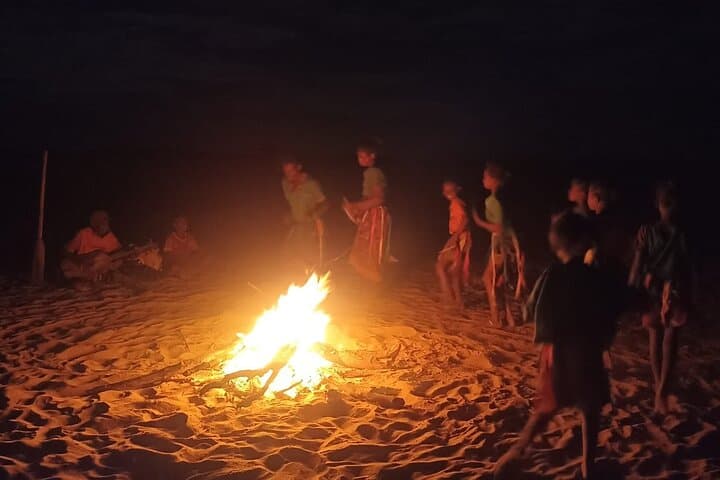
You step off the 4x4 onto sun-baked sand as the Tsiribihina unfurls ahead—slow, brown, and impatient—its current nudging a long wooden barge downstream. For the next twelve days Madagascar shapes the itinerary: river nights under glittering skies, limestone forests that rise like broken teeth, and avenues of baobabs that hold the dusk like sentries.
Verified experiences and guided adventures in the surrounding area.
Operated by Madagascar Mystery Tour Operator · Antananarivo, Analamanga
You step off the 4x4 onto sun-baked sand as the Tsiribihina unfurls ahead—slow, brown, and impatient—its current nudging a long wooden barge downstream. For the next twelve days Madagascar shapes the itinerary: river nights under glittering skies, limestone forests that rise like broken teeth, and avenues of baobabs that hold the dusk like sentries.
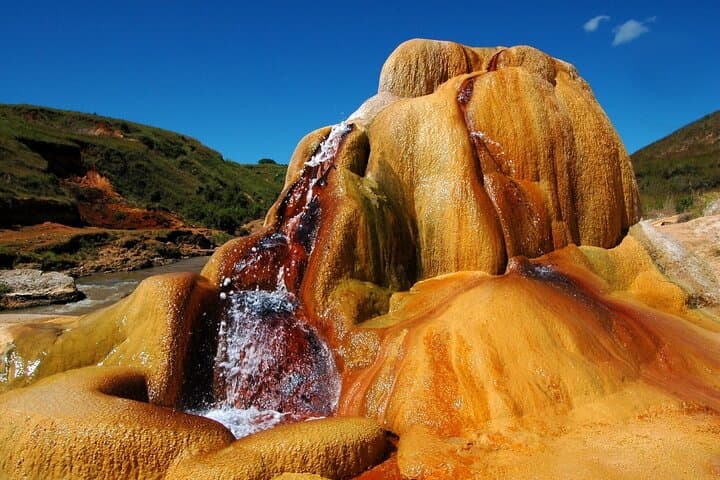
The route threads central highlands to the Menabe coast, tracing volcanic lakes at Itasy and Tritriva, cutting across Malagasy plateau geology and then into the eroded limestone of the Tsingy de Bemaraha. Human history here is stitched into villages along the river: tobacco drying sheds, Vazimba tombs in grottoes, and communities whose rhythms still revolve around canoe crossings and zebu trade.
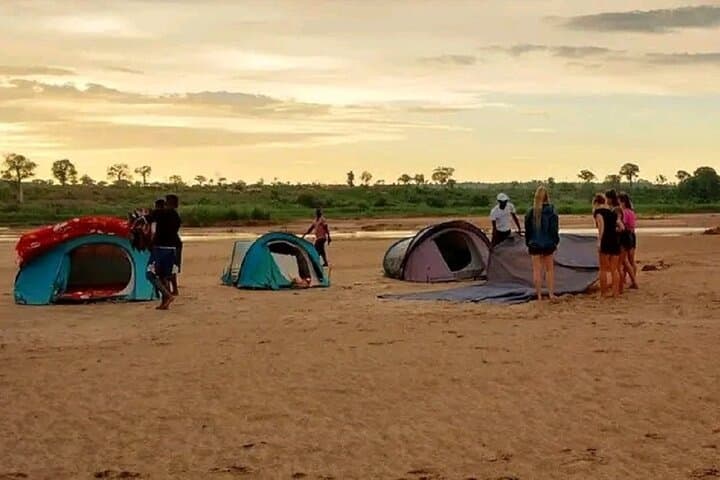
Expect variety: gentle canoeing on Lake Itasy, multi-hour barge descent of the Tsiribihina with sandbar bivouacs, guided forest walks in Kirindy to sight sifakas and the elusive fosa, and technical trails and suspension bridges in the Petit and Grand Tsingy. Nights alternate between simple guesthouses and tented bivouac with full-camp meals.
Practical guide: pack lightweight layers for humid days and cool nights, sturdy trail shoes for karst terrain, and a headlamp for bivouac life. Hydration and mosquito protection matter—carry a 2–3L bladder and DEET-based repellent. Weather windows matter: the river is safest in the dry season (May–Oct) and some tracks become impassable in heavy rains. Bring photocopies of documents, small bills for village purchases, and patience—the pace here is measured by river and road.
moderate.
12 days.
Participants should have a moderate fitness level: able to do multiple short hikes, board river craft, and handle uneven karst terrain.
A moderate fitness level is recommended: expect several hours of walking on uneven karst, some boat transfers, and the occasional steep scramble in the Tsingy.
The dry season (May–October) offers safer river conditions and more reliable 4x4 access; the wet season can make tracks impassable and raise river hazards.
Yes—accommodations alternate between comfortable local guesthouses and riverside bivouac tents; expect simple facilities, communal meals and limited electricity in remote spots.
Travelers should consult a travel clinic for recommended vaccines (e.g., typhoid, hepatitis A) and check Madagascar visa requirements well before departure; anti-malarial medication is commonly advised.
The Menabe region’s settlements and trade routes developed around river crossings and zebu herding, while the Tsingy were long avoided and only later mapped as conservation areas.
Bemaraha and Kirindy are protected areas with visitor limits; travel with licensed guides, avoid feeding wildlife, and pack out waste to reduce impact.
Madagascar Mystery Tour Operator operates guided outdoor trips and adventures with an emphasis on safety, stewardship, and memorable experiences.
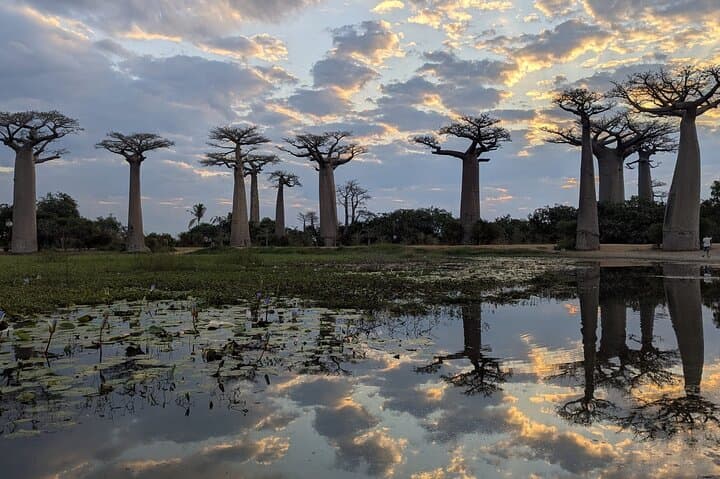
You step off the 4x4 onto sun-baked sand as the Tsiribihina unfurls ahead—slow, brown, and impatient—its current nudging a long wooden barge downstream. For the next twelve days Madagascar shapes the itinerary: river nights under glittering skies, limestone forests that rise like broken teeth, and avenues of baobabs that hold the dusk like sentries.
You step off the 4x4 onto sun-baked sand as the Tsiribihina unfurls ahead—slow, brown, and impatient—its current nudging a long wooden barge downstream. For the next twelve days Madagascar shapes the itinerary: river nights under glittering skies, limestone forests that rise like broken teeth, and avenues of baobabs that hold the dusk like sentries.
The route threads central highlands to the Menabe coast, tracing volcanic lakes at Itasy and Tritriva, cutting across Malagasy plateau geology and then into the eroded limestone of the Tsingy de Bemaraha. Human history here is stitched into villages along the river: tobacco drying sheds, Vazimba tombs in grottoes, and communities whose rhythms still revolve around canoe crossings and zebu trade.
Expect variety: gentle canoeing on Lake Itasy, multi-hour barge descent of the Tsiribihina with sandbar bivouacs, guided forest walks in Kirindy to sight sifakas and the elusive fosa, and technical trails and suspension bridges in the Petit and Grand Tsingy. Nights alternate between simple guesthouses and tented bivouac with full-camp meals.
Practical guide: pack lightweight layers for humid days and cool nights, sturdy trail shoes for karst terrain, and a headlamp for bivouac life. Hydration and mosquito protection matter—carry a 2–3L bladder and DEET-based repellent. Weather windows matter: the river is safest in the dry season (May–Oct) and some tracks become impassable in heavy rains. Bring photocopies of documents, small bills for village purchases, and patience—the pace here is measured by river and road.