THE ADVENTURE COLLECTIVE® · Independent discovery and booking for outdoor travel

A 12-day loop through Pakistan’s high mountains, this tour follows the Karakoram Highway to Hunza, Passu and Khunjerab Pass, combining scenic drives, cultural sites and high-altitude views. Prepare for long road days, alpine weather and easily accessible village walks that reward with dramatic glacier and lake scenery.
A 12-day loop through Pakistan’s high mountains, this tour follows the Karakoram Highway to Hunza, Passu and Khunjerab Pass, combining scenic drives, cultural sites and high-altitude views. Prepare for long road days, alpine weather and easily accessible village walks that reward with dramatic glacier and lake scenery.
The road unfurls like a living map: high, raw rock walls give way to terraced orchards, and the Karakoram’s serrated ridges loom beyond. On clear mornings Karimabad’s flat-roofed houses catch light while rivers push sediment-colored water through the valley, daring you to keep pace with the landscape.
Verified experiences and guided adventures in the surrounding area.
Operated by North Pakistan Adventure · Karimabad, Gilgit-Baltistan
The road unfurls like a living map: high, raw rock walls give way to terraced orchards, and the Karakoram’s serrated ridges loom beyond. On clear mornings Karimabad’s flat-roofed houses catch light while rivers push sediment-colored water through the valley, daring you to keep pace with the landscape.
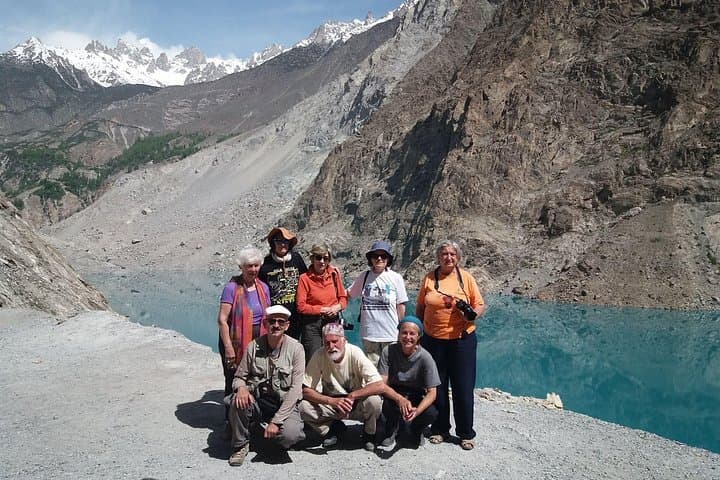
Hunza sits where the Karakoram, western Himalaya and Hindu Kush meet—a crossroad of geology and history. This 12-day circuit follows the KKH from Gilgit and Skardu, takes you along Attabad Lake’s electric blue surface, and climbs to Khunjerab Pass (4,733 m), the high border route to China. Cultural landmarks—Baltit and Altit forts—trace local Ismaili and Silk Road eras; the Attabad landslide of 2010 reshaped the valley and formed the lake visitors see today.
Expect varied terrain: paved highway, rough mountain roads, short village walks and occasional switchbacks. Long driving days (4–10 hours) alternate with gentle explorations of villages, waterfalls and viewpoints such as Eagle’s Nest in Duikar. Altitude is the clearest practical factor—days near Khunjerab reach alpine cold and thin air.
Practical guidance: fly Islamabad–Gilgit for a 55-minute cut, then drive; pack layered clothing, sun protection and a basic first-aid kit; allow at least 24–48 hours to acclimatize before high passes. The itinerary commonly includes domestic flights, hotel stays in 2–3 star properties, and park entry fees (Khunjerab National Park fee is commonly applied). Travel respectfully—seek permission before photographing individuals and follow local waste rules to help preserve this sharply beautiful region.
moderate.
12 days.
Suitable for travelers in average fitness—requires tolerance for long drives, short village walks and some higher-altitude exposure.
Most travelers fly Islamabad to Gilgit (~55 minutes) then drive 2–4 hours to Karimabad; alternatively the Karakoram Highway is a long scenic drive over 18–20 hours with stops.
International visitors need a Pakistan visa; certain areas may require registration with local authorities—your operator usually provides visa support and Khunjerab National Park entry arrangements.
Yes—Khunjerab Pass reaches ~4,733 m; symptoms can occur, so ascend gradually, stay hydrated and notify guides of severe symptoms.
The tour uses mainly 2–3 star hotels and local restaurants; meals are commonly included as per itinerary and feature regional cuisine and basic western options.
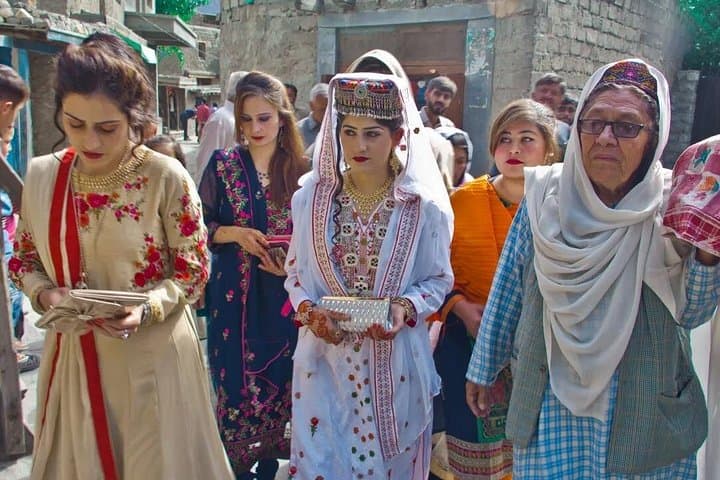
Hunza’s settlements were connected to the Silk Road; Baltit and Altit forts reflect centuries of local rule and trade influence from Central Asia.
Tourism and road construction have altered fragile slopes and lakes—minimize waste, avoid single-use plastics and follow local guidance to protect waterways and cultural sites.
North Pakistan Adventure operates guided outdoor trips and adventures with an emphasis on safety, stewardship, and memorable experiences.
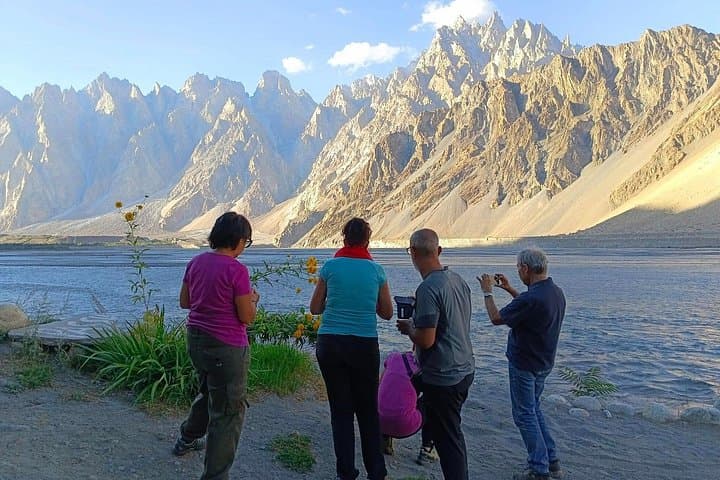
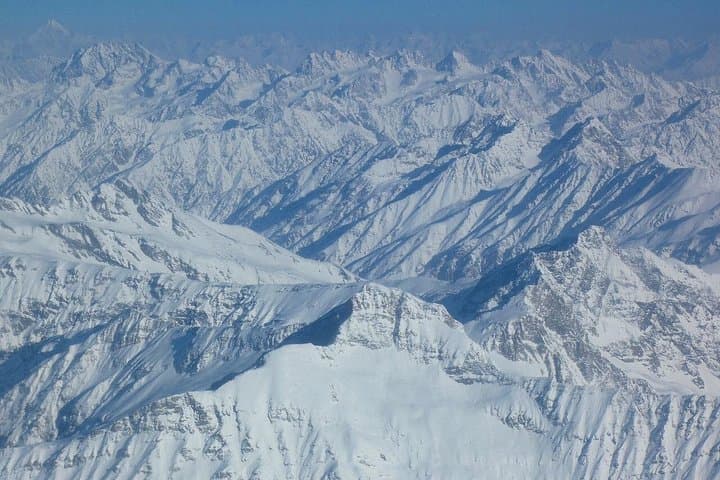
The road unfurls like a living map: high, raw rock walls give way to terraced orchards, and the Karakoram’s serrated ridges loom beyond. On clear mornings Karimabad’s flat-roofed houses catch light while rivers push sediment-colored water through the valley, daring you to keep pace with the landscape.
The road unfurls like a living map: high, raw rock walls give way to terraced orchards, and the Karakoram’s serrated ridges loom beyond. On clear mornings Karimabad’s flat-roofed houses catch light while rivers push sediment-colored water through the valley, daring you to keep pace with the landscape.
Hunza sits where the Karakoram, western Himalaya and Hindu Kush meet—a crossroad of geology and history. This 12-day circuit follows the KKH from Gilgit and Skardu, takes you along Attabad Lake’s electric blue surface, and climbs to Khunjerab Pass (4,733 m), the high border route to China. Cultural landmarks—Baltit and Altit forts—trace local Ismaili and Silk Road eras; the Attabad landslide of 2010 reshaped the valley and formed the lake visitors see today.
Expect varied terrain: paved highway, rough mountain roads, short village walks and occasional switchbacks. Long driving days (4–10 hours) alternate with gentle explorations of villages, waterfalls and viewpoints such as Eagle’s Nest in Duikar. Altitude is the clearest practical factor—days near Khunjerab reach alpine cold and thin air.
Practical guidance: fly Islamabad–Gilgit for a 55-minute cut, then drive; pack layered clothing, sun protection and a basic first-aid kit; allow at least 24–48 hours to acclimatize before high passes. The itinerary commonly includes domestic flights, hotel stays in 2–3 star properties, and park entry fees (Khunjerab National Park fee is commonly applied). Travel respectfully—seek permission before photographing individuals and follow local waste rules to help preserve this sharply beautiful region.