THE ADVENTURE COLLECTIVE® · Independent discovery and booking for outdoor travel

A 12-day riverborne immersion from Iquitos that places travelers in extended stays with Yaguas, Urarina, Jibaros and Matsés villages. Expect boat travel, riverside camps, hands-on cultural skills, and remote jungle conditions.
A 12-day riverborne immersion from Iquitos that places travelers in extended stays with Yaguas, Urarina, Jibaros and Matsés villages. Expect boat travel, riverside camps, hands-on cultural skills, and remote jungle conditions.
The motorized canoe slips away from Iquitos at dawn, river water flashing green and brown as it parts and pushes you deeper into a jungle that feels alive — vines reaching, wetlands breathing. For twelve days you move by boat and on foot between camp shelters and village clearings, trading the city’s engine hum for the chant of cicadas and the quick splash of a caiman slipping under a braided shoreline.
Verified experiences and guided adventures in the surrounding area.
Operated by Green Wild Amazon Expedition · Iquitos, Loreto
The motorized canoe slips away from Iquitos at dawn, river water flashing green and brown as it parts and pushes you deeper into a jungle that feels alive — vines reaching, wetlands breathing. For twelve days you move by boat and on foot between camp shelters and village clearings, trading the city’s engine hum for the chant of cicadas and the quick splash of a caiman slipping under a braided shoreline.
This corridor of the upper Amazon sits in Loreto, a region shaped by Pleistocene rivers and the 19th-century rubber boom that remade Iquitos into an isolated river port. Geologically, you’re in a low-lying floodplain of rich alluvial soils, where rivers carve oxbow lakes and seasons flip the landscape between mirror-flat water and braided trails.
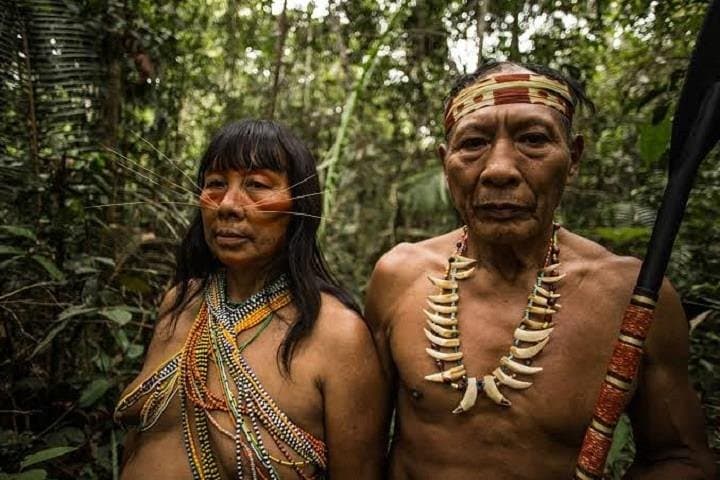
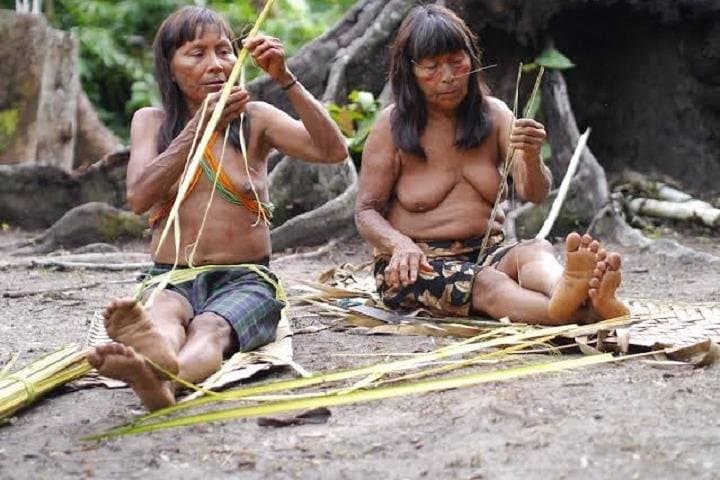
Culturally the itinerary centers on extended stays with Yaguas, Urarina, Jibaros and Matsés families — opportunities to learn fishing, manioc processing, traditional blowgun or net techniques, and bushcraft from local hosts. Expect participatory days: gathering, craft-making and skill practice around open fires.
Practical guidance: the trip is remote and physically demanding — be ready for wet conditions, mosquitoes, basic campsites and communal sleeping on mats or hammocks. Carry water purification, high-coverage insect repellents, a lightweight rain shell and quick-dry layers. Vaccinations (yellow fever, routine, and anti-malarial advice) and current passport documentation are essential; flights arrive into Iquitos before the river transfer.
Respect privacy and ask before photographing. Travel here supports small community income but also increases pressure on fragile forests — travel lightly, pack out waste, and follow guides’ directions to minimize impact.
challenging.
12 days.
Participants should be in strong cardiovascular shape and comfortable with long days standing, walking through muddy trails and climbing in/out of boats.
Very remote — access is by multi-hour boat rides from Iquitos and daily transfers by canoe; expect limited infrastructure and basic campsites.
Meals (breakfast, lunch, dinner) are included and based on local staples like rice, fish, manioc and seasonal produce; dietary restrictions should be communicated in advance.
Healthcare guidelines recommend routine vaccinations, yellow fever vaccination, and consulting a travel clinic about antimalarial medication before travel.
This itinerary is not recommended for pregnant travelers and requires a high fitness level; check operator age policies and medical advisories for children.
Iquitos grew rapidly during the 19th-century rubber boom and retains a river-port culture shaped by trade, missionary contacts and indigenous resilience.
The region faces pressures from deforestation, illegal logging and resource extraction; low-impact, community-based tourism helps provide alternative income while emphasizing leave-no-trace practices.
Green Wild Amazon Expedition operates guided outdoor trips and adventures with an emphasis on safety, stewardship, and memorable experiences.
The motorized canoe slips away from Iquitos at dawn, river water flashing green and brown as it parts and pushes you deeper into a jungle that feels alive — vines reaching, wetlands breathing. For twelve days you move by boat and on foot between camp shelters and village clearings, trading the city’s engine hum for the chant of cicadas and the quick splash of a caiman slipping under a braided shoreline.
The motorized canoe slips away from Iquitos at dawn, river water flashing green and brown as it parts and pushes you deeper into a jungle that feels alive — vines reaching, wetlands breathing. For twelve days you move by boat and on foot between camp shelters and village clearings, trading the city’s engine hum for the chant of cicadas and the quick splash of a caiman slipping under a braided shoreline.
This corridor of the upper Amazon sits in Loreto, a region shaped by Pleistocene rivers and the 19th-century rubber boom that remade Iquitos into an isolated river port. Geologically, you’re in a low-lying floodplain of rich alluvial soils, where rivers carve oxbow lakes and seasons flip the landscape between mirror-flat water and braided trails.
Culturally the itinerary centers on extended stays with Yaguas, Urarina, Jibaros and Matsés families — opportunities to learn fishing, manioc processing, traditional blowgun or net techniques, and bushcraft from local hosts. Expect participatory days: gathering, craft-making and skill practice around open fires.
Practical guidance: the trip is remote and physically demanding — be ready for wet conditions, mosquitoes, basic campsites and communal sleeping on mats or hammocks. Carry water purification, high-coverage insect repellents, a lightweight rain shell and quick-dry layers. Vaccinations (yellow fever, routine, and anti-malarial advice) and current passport documentation are essential; flights arrive into Iquitos before the river transfer.
Respect privacy and ask before photographing. Travel here supports small community income but also increases pressure on fragile forests — travel lightly, pack out waste, and follow guides’ directions to minimize impact.