THE ADVENTURE COLLECTIVE® · Independent discovery and booking for outdoor travel

Leave the city for 12 days of hands-on survival instruction in the western Amazon. Learn shelter building, water sourcing, navigation and edible plant ID while traveling by river and foot from Iquitos.
Leave the city for 12 days of hands-on survival instruction in the western Amazon. Learn shelter building, water sourcing, navigation and edible plant ID while traveling by river and foot from Iquitos.
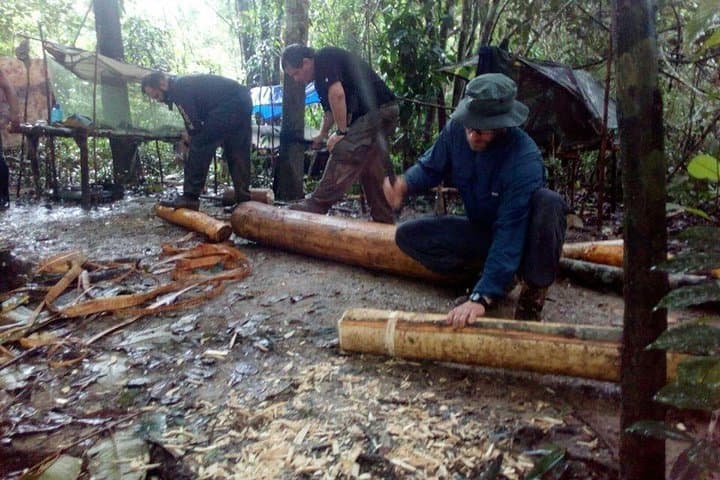
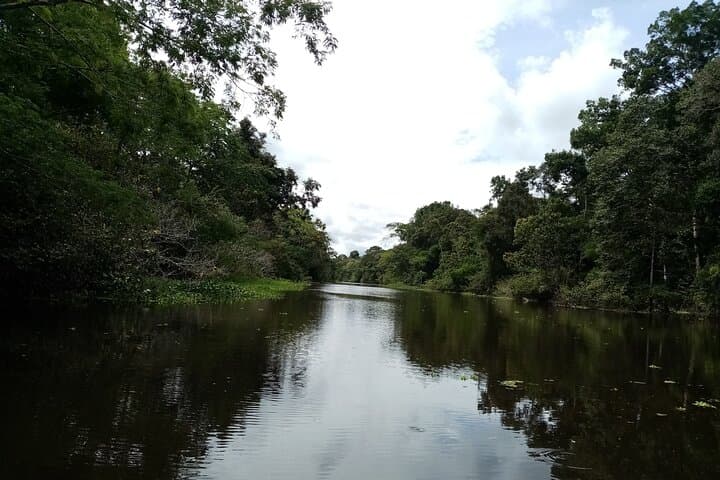
The canoe slips away from Iquitos at first light and the river narrows, the current daring you forward while the jungle presses close — heavy green, high humidity, and a chorus of insects that seems to time itself to your breathing. Over twelve days you move off the riverbanks and into a living classroom: constructing shelters from palms, learning water-finding techniques, and sourcing meals from fish and seasonal plants.
Verified experiences and guided adventures in the surrounding area.
Operated by Green Wild Amazon Expedition · Iquitos, Loreto
The canoe slips away from Iquitos at first light and the river narrows, the current daring you forward while the jungle presses close — heavy green, high humidity, and a chorus of insects that seems to time itself to your breathing. Over twelve days you move off the riverbanks and into a living classroom: constructing shelters from palms, learning water-finding techniques, and sourcing meals from fish and seasonal plants.
This stretch of the western Amazon sits on low, alluvial plains carved by the Amazon and its tributaries; soil is nutrient-poor but vegetation is prodigious. Indigenous communities in Loreto have long used the same river routes and plant knowledge this course distills into practical skills and respectful behavior when interacting with local people.
Expect field lessons in navigation by river and sun, plant identification to separate edible from toxic, snares and basic weapon craft for sustenance, and improvised first aid. The environment is flat with little elevation change but physically demanding: sustained humidity, long, wet days, and irregular river travel. Guides teach cultural protocols and emphasize minimizing impact.
Practical prep matters: get up-to-date vaccinations, pack reliable water purification, and train your cardiovascular base — you’ll be carrying gear and moving through muddy trails. Wear long sleeves and high-ankle waterproof boots to reduce bites and abrasions, and plan for heavy rain at various times of year. The program provides most meals but notes that participants will source much food from the jungle and river, so come prepared mentally and physically for austere, hands-on learning.
expert.
12 days.
High aerobic fitness and muscular endurance recommended; able to hike several hours daily in heat and humidity while carrying a daypack.
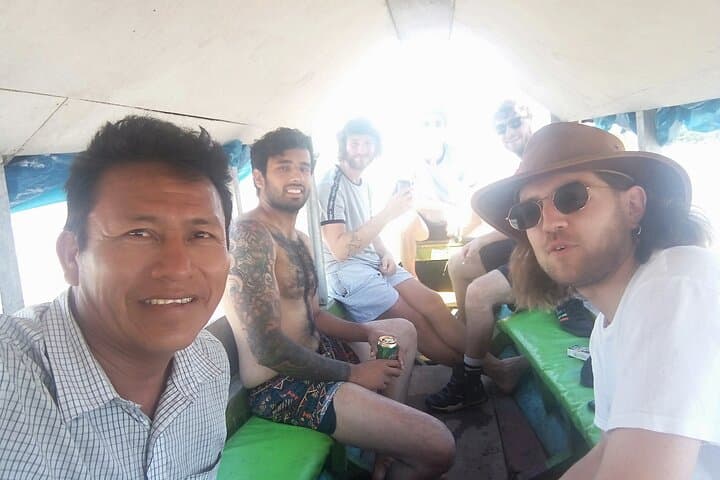
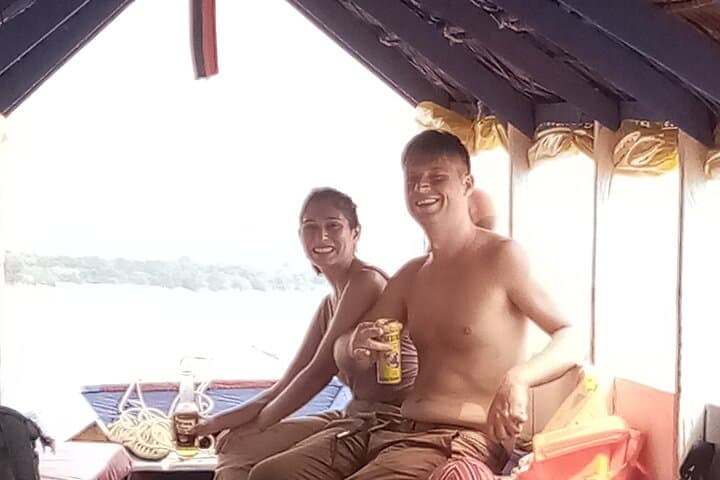
Groups typically travel by river and then on foot; expect several hours of boat transit from Iquitos and deeper jungle camps afterward.
Vaccinations such as yellow fever are commonly recommended and malaria prophylaxis should be discussed with your doctor; confirm current health advisories before travel.
Meals are scheduled (breakfast/lunch/dinner listed), but the program emphasizes sourcing additional food from the jungle and river as part of training.
Participants should be in excellent physical condition — able to sustain long days in heat and humidity and handle physically demanding skill drills.
The Loreto region has long been traversed via river routes used by indigenous groups and rubber-era extractive camps; local knowledge of plants and navigation is foundational to survival techniques taught here.
Guide teams stress low-impact camping and respect for local communities; avoid removing flora or disturbing wildlife and follow leave-no-trace principles to protect fragile river-edge ecosystems.
Green Wild Amazon Expedition operates guided outdoor trips and adventures with an emphasis on safety, stewardship, and memorable experiences.
The canoe slips away from Iquitos at first light and the river narrows, the current daring you forward while the jungle presses close — heavy green, high humidity, and a chorus of insects that seems to time itself to your breathing. Over twelve days you move off the riverbanks and into a living classroom: constructing shelters from palms, learning water-finding techniques, and sourcing meals from fish and seasonal plants.
The canoe slips away from Iquitos at first light and the river narrows, the current daring you forward while the jungle presses close — heavy green, high humidity, and a chorus of insects that seems to time itself to your breathing. Over twelve days you move off the riverbanks and into a living classroom: constructing shelters from palms, learning water-finding techniques, and sourcing meals from fish and seasonal plants.
This stretch of the western Amazon sits on low, alluvial plains carved by the Amazon and its tributaries; soil is nutrient-poor but vegetation is prodigious. Indigenous communities in Loreto have long used the same river routes and plant knowledge this course distills into practical skills and respectful behavior when interacting with local people.
Expect field lessons in navigation by river and sun, plant identification to separate edible from toxic, snares and basic weapon craft for sustenance, and improvised first aid. The environment is flat with little elevation change but physically demanding: sustained humidity, long, wet days, and irregular river travel. Guides teach cultural protocols and emphasize minimizing impact.
Practical prep matters: get up-to-date vaccinations, pack reliable water purification, and train your cardiovascular base — you’ll be carrying gear and moving through muddy trails. Wear long sleeves and high-ankle waterproof boots to reduce bites and abrasions, and plan for heavy rain at various times of year. The program provides most meals but notes that participants will source much food from the jungle and river, so come prepared mentally and physically for austere, hands-on learning.