THE ADVENTURE COLLECTIVE® · Independent discovery and booking for outdoor travel

Trek 12 days from Lukla to Everest Base Camp and Kala Patthar, crossing Sherpa villages, monasteries and glacial moraines. This itinerary balances acclimatization days with long summit approaches for clear, high-altitude views.
Trek 12 days from Lukla to Everest Base Camp and Kala Patthar, crossing Sherpa villages, monasteries and glacial moraines. This itinerary balances acclimatization days with long summit approaches for clear, high-altitude views.
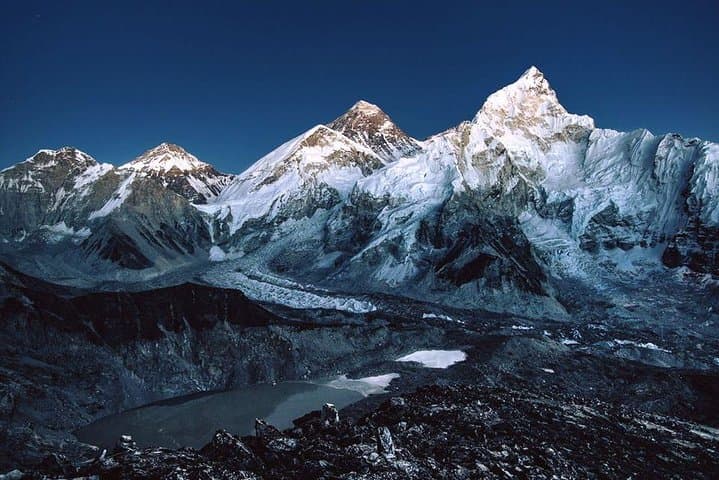
A thin, cold light breaks over the jagged skyline as you climb out of Gorak Shep toward Kala Patthar; the wind here has a voice, testing layers and resolve. By the time you stand at 5,545 m the summit ridge of Everest fills the horizon—rock, ice and an uncompromising altitude that humbles even the most prepared trekker.
Verified experiences and guided adventures in the surrounding area.
Operated by Annapurna Foothills Treks Expedition Pvt. Ltd. · Lukla, Koshi Province
A thin, cold light breaks over the jagged skyline as you climb out of Gorak Shep toward Kala Patthar; the wind here has a voice, testing layers and resolve. By the time you stand at 5,545 m the summit ridge of Everest fills the horizon—rock, ice and an uncompromising altitude that humbles even the most prepared trekker.
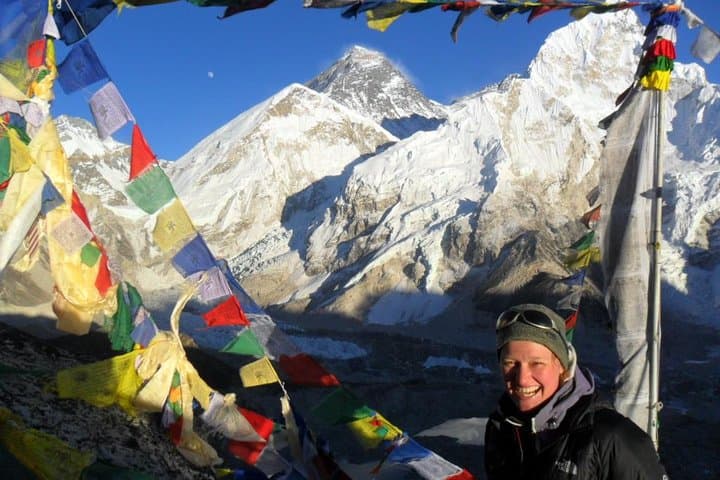
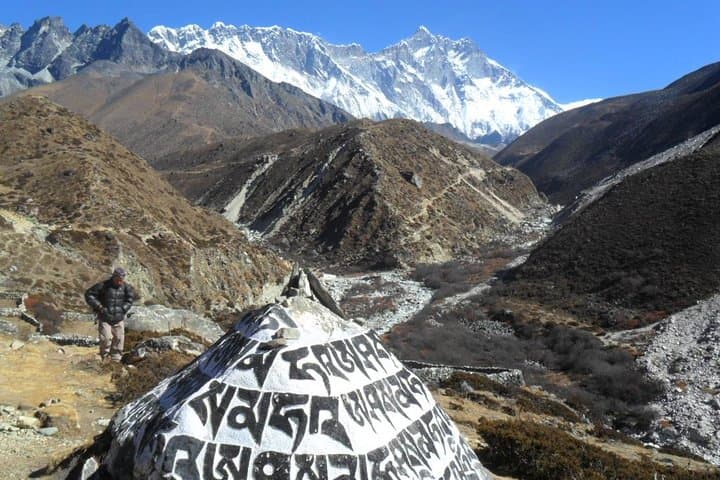
The route threads through Sherpa settlements, prayer flags and centuries of Himalayan practice. Geologically the Khumbu is young: uplifted rock and blue ice carved by the Khumbu Glacier, with moraines and glacial streams marking the approach to the icefall. Culturally, you walk in a landscape shaped by Tibetan-Buddhist traditions—stupas, mani walls and monasteries like Tengboche that anchor the valley’s spiritual life.
Expect long, steep days and a slow pace for acclimatization; the itinerary builds in two rest days at Namche and Dingboche for that reason. Lodging is tea-house style—basic twin rooms, hot meals and a night’s warmth earned by walking. Seasonal weather dictates conditions: clear, cold mornings in spring and autumn; monsoon cloud and mud in summer; hard, frigid winds in winter.
Practical planning means packing for layers, carrying a lightweight down jacket, using a reusable water system and training with long hikes and stair repeats beforehand. Flights to/from Lukla are weather-dependent—plan buffer days in Kathmandu. Hydration, patience and respect for local customs will make the difference between a memorable summit-view morning and a rushed, risky ascent. This is high-altitude trekking with huge payoffs: raw mountain panoramas and daily encounters with Sherpa life.
challenging.
12 days.
Good cardiovascular fitness and experience with multi-day hikes at altitude; comfortable walking 5–8 hours on steep, uneven trails.
The route is non-technical but challenging due to altitude, long days and uneven terrain; proper fitness and acclimatization are required.
Physically fit beginners can attempt it with guided support and careful pacing, but prior multi-day hiking experience is strongly recommended.
September–November and March–May offer the most stable weather and clear mountain views; monsoon season is less reliable.
Symptoms are common as you gain elevation; management includes slow ascent, rest days, hydration, and descent if symptoms worsen; carry a pulse oximeter and get travel insurance that covers evacuation.
The Khumbu valley has long been home to Sherpa communities and became internationally prominent after the 1953 Everest ascent; trekking routes evolved with local tea houses and mountaineering history.
Trails pass through Sagarmatha National Park—respect permit rules, minimize plastic, pack out waste when possible and support local lodges that follow sustainable practices.
Annapurna Foothills Treks Expedition Pvt. Ltd. operates guided outdoor trips and adventures with an emphasis on safety, stewardship, and memorable experiences.
A thin, cold light breaks over the jagged skyline as you climb out of Gorak Shep toward Kala Patthar; the wind here has a voice, testing layers and resolve. By the time you stand at 5,545 m the summit ridge of Everest fills the horizon—rock, ice and an uncompromising altitude that humbles even the most prepared trekker.
A thin, cold light breaks over the jagged skyline as you climb out of Gorak Shep toward Kala Patthar; the wind here has a voice, testing layers and resolve. By the time you stand at 5,545 m the summit ridge of Everest fills the horizon—rock, ice and an uncompromising altitude that humbles even the most prepared trekker.
The route threads through Sherpa settlements, prayer flags and centuries of Himalayan practice. Geologically the Khumbu is young: uplifted rock and blue ice carved by the Khumbu Glacier, with moraines and glacial streams marking the approach to the icefall. Culturally, you walk in a landscape shaped by Tibetan-Buddhist traditions—stupas, mani walls and monasteries like Tengboche that anchor the valley’s spiritual life.
Expect long, steep days and a slow pace for acclimatization; the itinerary builds in two rest days at Namche and Dingboche for that reason. Lodging is tea-house style—basic twin rooms, hot meals and a night’s warmth earned by walking. Seasonal weather dictates conditions: clear, cold mornings in spring and autumn; monsoon cloud and mud in summer; hard, frigid winds in winter.
Practical planning means packing for layers, carrying a lightweight down jacket, using a reusable water system and training with long hikes and stair repeats beforehand. Flights to/from Lukla are weather-dependent—plan buffer days in Kathmandu. Hydration, patience and respect for local customs will make the difference between a memorable summit-view morning and a rushed, risky ascent. This is high-altitude trekking with huge payoffs: raw mountain panoramas and daily encounters with Sherpa life.