THE ADVENTURE COLLECTIVE® · Independent discovery and booking for outdoor travel

A 12-day circuit from Kathmandu to Everest Base Camp through Sherpa villages, high ridgelines, and glacial moraine. This guide covers logistics, terrain, and what you’ll need to safely reach 5,364 m.
A 12-day circuit from Kathmandu to Everest Base Camp through Sherpa villages, high ridgelines, and glacial moraine. This guide covers logistics, terrain, and what you’ll need to safely reach 5,364 m.
The trail opens like a page ripped from high-altitude life: prayer flags flutter over a river gorge, yak bells punctuate thin air, and the valley narrows as Everest itself grows from a distant ridge to a pinnacle that dominates the skyline.
Verified experiences and guided adventures in the surrounding area.
Operated by Adventure Glacier Treks & Expedition · Kathmandu, Province No. 1
The trail opens like a page ripped from high-altitude life: prayer flags flutter over a river gorge, yak bells punctuate thin air, and the valley narrows as Everest itself grows from a distant ridge to a pinnacle that dominates the skyline.
This route threads Sherpa villages, rhododendron forests, and moraine fields carved by the Khumbu Glacier. The region sits inside Sagarmatha National Park, a UNESCO site established to protect the alpine ecology and Sherpa cultural landscape. Geologically, you’ll cross glacial outwash and boulder fields where the Himalaya’s uplift is still audible in every scree slope; culturally, Tengboche Monastery and Namche Bazaar serve as spiritual and logistical waypoints shaped by centuries of trade and mountaineering history.
Practical planning separates a memorable EBC trek from a difficult one. Most itineraries take about 12 days from Lukla to Everest Base Camp and back, covering roughly 65 km one-way with cumulative ascent of ~2,500 m (Lukla 2,860 m to EBC 5,364 m). Terrain alternates packed trails, stone staircases, suspension bridges and glacier moraines; expect long days of walking at altitude and at least two acclimatization stops in Namche and Dingboche.
Book the Kathmandu–Lukla domestic flight early and keep flexible weather plans; flights are commonly delayed. Hydrate, eat more than you think, and use a layered system for cold mornings and intense daytime sun. Permits (Sagarmatha National Park and TIMS) are required; hire a reputable guide for navigation, logistics and emergency response. When the sun hits the ice, the mountain dares you forward—but respect the altitude.
challenging.
12 days.
Strong cardio base and experience with multi-day hiking at altitude; able to walk 6–8 hours on uneven ground.
No; Everest Base Camp trek follows established trails and tea-house routes, but good fitness and acclimatization strategy are essential.
You must have a Sagarmatha National Park permit and TIMS (Trekkers’ Information Management System) card, arranged by your operator or in Kathmandu.
Most trekkers fly from Kathmandu to Lukla (Tenzing-Hillary Airport); weather can delay flights, so build buffer days into your itinerary.
Altitude sickness, sudden weather changes, and flight cancellations are the main hazards; travel with an experienced guide and monitor acclimatization.
The Khumbu Valley is Sherpa country and the traditional gateway for Everest expeditions since the 1953 ascent; villages grew around yak trade and mountaineering support.
Sagarmatha National Park handles permits and fees to fund conservation; carry out waste and avoid using disposable plastics to reduce local impacts.
Adventure Glacier Treks & Expedition operates guided outdoor trips and adventures with an emphasis on safety, stewardship, and memorable experiences.


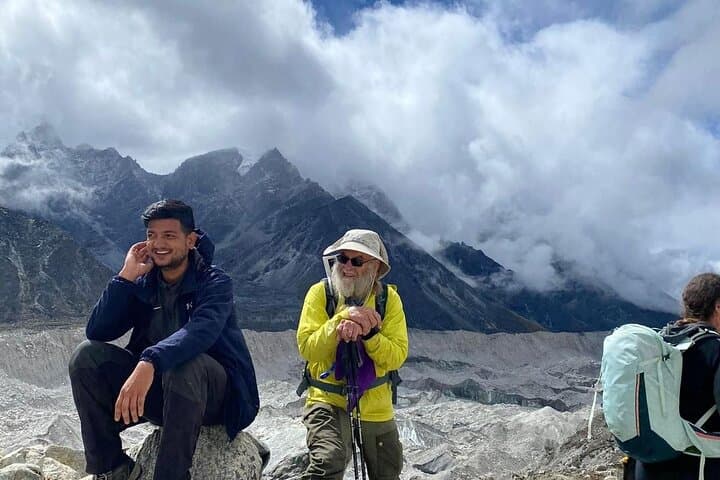
The trail opens like a page ripped from high-altitude life: prayer flags flutter over a river gorge, yak bells punctuate thin air, and the valley narrows as Everest itself grows from a distant ridge to a pinnacle that dominates the skyline.
The trail opens like a page ripped from high-altitude life: prayer flags flutter over a river gorge, yak bells punctuate thin air, and the valley narrows as Everest itself grows from a distant ridge to a pinnacle that dominates the skyline.
This route threads Sherpa villages, rhododendron forests, and moraine fields carved by the Khumbu Glacier. The region sits inside Sagarmatha National Park, a UNESCO site established to protect the alpine ecology and Sherpa cultural landscape. Geologically, you’ll cross glacial outwash and boulder fields where the Himalaya’s uplift is still audible in every scree slope; culturally, Tengboche Monastery and Namche Bazaar serve as spiritual and logistical waypoints shaped by centuries of trade and mountaineering history.
Practical planning separates a memorable EBC trek from a difficult one. Most itineraries take about 12 days from Lukla to Everest Base Camp and back, covering roughly 65 km one-way with cumulative ascent of ~2,500 m (Lukla 2,860 m to EBC 5,364 m). Terrain alternates packed trails, stone staircases, suspension bridges and glacier moraines; expect long days of walking at altitude and at least two acclimatization stops in Namche and Dingboche.
Book the Kathmandu–Lukla domestic flight early and keep flexible weather plans; flights are commonly delayed. Hydrate, eat more than you think, and use a layered system for cold mornings and intense daytime sun. Permits (Sagarmatha National Park and TIMS) are required; hire a reputable guide for navigation, logistics and emergency response. When the sun hits the ice, the mountain dares you forward—but respect the altitude.