THE ADVENTURE COLLECTIVE® · Independent discovery and booking for outdoor travel

Fly from Kathmandu to Lukla, then walk through Sherpa villages, monasteries and glacial scenery to stand at Everest Base Camp. This 12‑day trek mixes altitude challenge with cultural stops and teahouse nights.
Fly from Kathmandu to Lukla, then walk through Sherpa villages, monasteries and glacial scenery to stand at Everest Base Camp. This 12‑day trek mixes altitude challenge with cultural stops and teahouse nights.
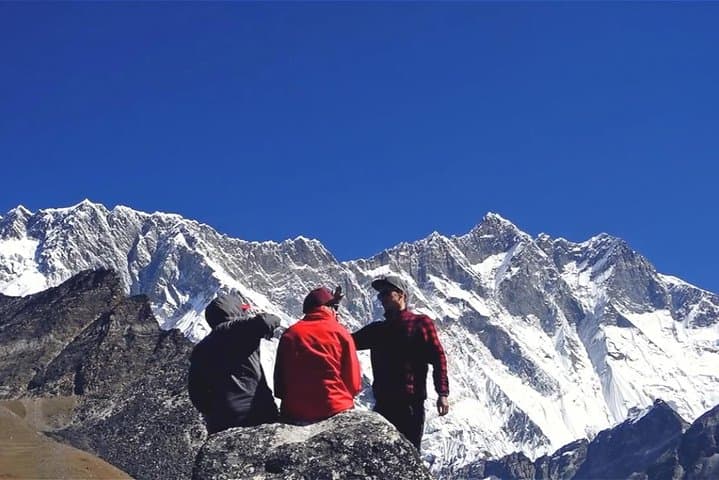
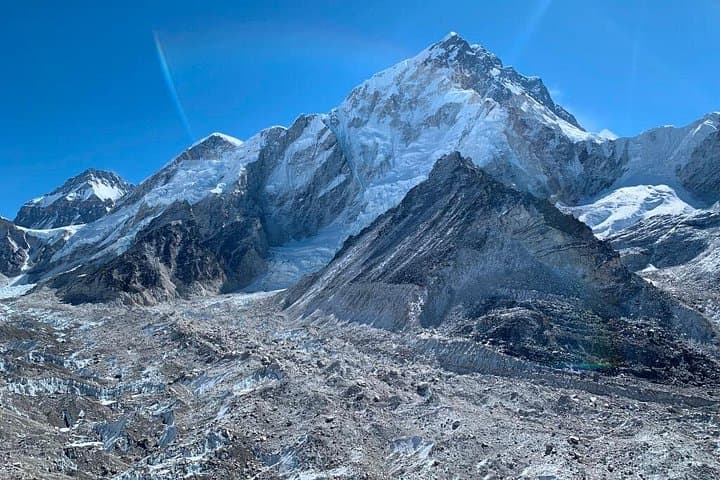
Morning light on the trail is sharp and immediate: prayer flags snap like color in the wind, polaroid views of Ama Dablam and Everest cut the skyline, and the air thins so quickly you notice your breath before the slope does.
Verified experiences and guided adventures in the surrounding area.
Operated by Nepal Alibaba Treks & Tours Pvt. Ltd · Lukla, Province No. 1
Morning light on the trail is sharp and immediate: prayer flags snap like color in the wind, polaroid views of Ama Dablam and Everest cut the skyline, and the air thins so quickly you notice your breath before the slope does.
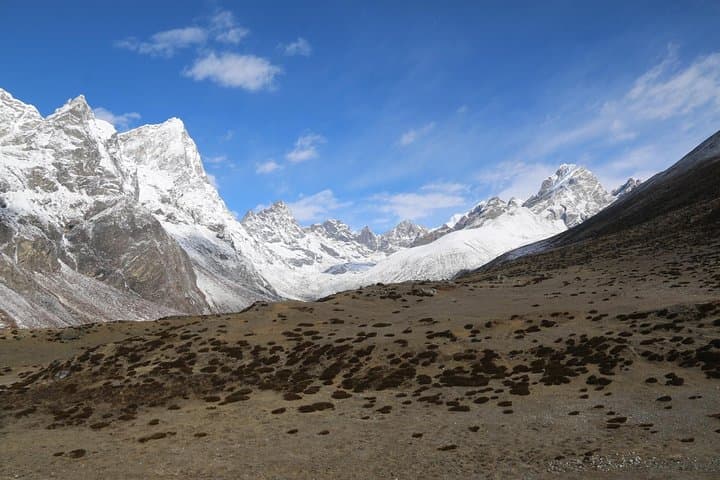
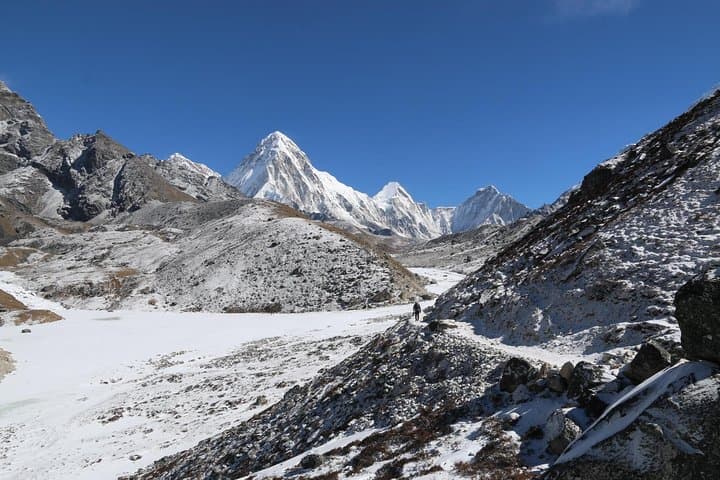
This 12‑day itinerary moves from Kathmandu’s dusty heat to Lukla’s scramble runway and then into the Khumbu: high ridgelines, glacial moraines, and Sherpa villages that evolved as trade and pilgrimage stops centuries ago. Geologically, you’re crossing young uplifted rock — the Himalaya still rising — while culturally you pass mani walls, gompas, and chhortens where Buddhism shapes daily life.
Expect days of steady ascent (Lukla ~2,800m to Everest Base Camp ~5,364m), varied terrain from rhododendron forests to rocky moraine, and teahouse stays rather than luxury lodgings. Namche Bazaar is your acclimatization hub; Tengboche offers sweeping monastery views; Gorak Shep is the last outpost before the base camp’s stone and ice.
Practical guidance: prioritize acclimatization — plan slow elevation gains and rest days, carry layered clothing for wide temperature swings, and bring cash (card machines are rare). Trails are well-worn but can be icy in shoulder seasons; guide support and porter service reduce load and increase safety. Water is available but use purification. Flights to/from Lukla are weather dependent—build flexibility into your schedule.
This trek balances cultural immersion and high‑altitude challenge: be prepared, respect local customs and ecosystems, and the mountain will deliver rigor and unforgettable views.
challenging.
12 days.
Good aerobic fitness with experience doing multi-day hikes; comfortable with long days at altitude and carrying a daypack.
No technical climbing skills are required—the route is a high‑altitude trek, but you should be fit and comfortable with multi‑day hikes and altitude changes.
Trekking in the Khumbu requires the Sagarmatha National Park permit plus Pasang Lhamu rural municipality fee; amounts vary—your operator typically handles fees but carry copies of permits.
Teahouses (basic guesthouses) provide simple beds and hot meals; facilities range from shared bathrooms to squat toilets, with charging and Wi‑Fi available in larger villages for a fee.
Very likely during bad weather—operators schedule buffer days; if flights cancel, overnight in Lukla/Namche and be prepared for extra lodging and food costs.
The Khumbu has been home to Sherpa communities for centuries and became central to Himalayan mountaineering since the early 20th century, with trekking routes later formalized for adventurers.
Everest National Park requires permits and enforces waste rules; travelers should pack out non‑biodegradable trash, use refillable bottles and support certified local operators to reduce impact.
Nepal Alibaba Treks & Tours Pvt. Ltd operates guided outdoor trips and adventures with an emphasis on safety, stewardship, and memorable experiences.
Morning light on the trail is sharp and immediate: prayer flags snap like color in the wind, polaroid views of Ama Dablam and Everest cut the skyline, and the air thins so quickly you notice your breath before the slope does.
Morning light on the trail is sharp and immediate: prayer flags snap like color in the wind, polaroid views of Ama Dablam and Everest cut the skyline, and the air thins so quickly you notice your breath before the slope does.
This 12‑day itinerary moves from Kathmandu’s dusty heat to Lukla’s scramble runway and then into the Khumbu: high ridgelines, glacial moraines, and Sherpa villages that evolved as trade and pilgrimage stops centuries ago. Geologically, you’re crossing young uplifted rock — the Himalaya still rising — while culturally you pass mani walls, gompas, and chhortens where Buddhism shapes daily life.
Expect days of steady ascent (Lukla ~2,800m to Everest Base Camp ~5,364m), varied terrain from rhododendron forests to rocky moraine, and teahouse stays rather than luxury lodgings. Namche Bazaar is your acclimatization hub; Tengboche offers sweeping monastery views; Gorak Shep is the last outpost before the base camp’s stone and ice.
Practical guidance: prioritize acclimatization — plan slow elevation gains and rest days, carry layered clothing for wide temperature swings, and bring cash (card machines are rare). Trails are well-worn but can be icy in shoulder seasons; guide support and porter service reduce load and increase safety. Water is available but use purification. Flights to/from Lukla are weather dependent—build flexibility into your schedule.
This trek balances cultural immersion and high‑altitude challenge: be prepared, respect local customs and ecosystems, and the mountain will deliver rigor and unforgettable views.