THE ADVENTURE COLLECTIVE® · Independent discovery and booking for outdoor travel

Twelve days across Ethiopia take you from the blistering Danakil Depression and Erta Ale’s lava lake to cliff-top treks in the Simien Mountains and the rock churches of Lalibela. Expect raw geology, endemic wildlife, and immersive tribal encounters—plus long drives and big temperature swings.
Twelve days across Ethiopia take you from the blistering Danakil Depression and Erta Ale’s lava lake to cliff-top treks in the Simien Mountains and the rock churches of Lalibela. Expect raw geology, endemic wildlife, and immersive tribal encounters—plus long drives and big temperature swings.
You step off the plane in Addis Ababa into night air heavy with coffee and city bustle, then trade asphalt for red dust and highland pines over the next dozen days.
Verified experiences and guided adventures in the surrounding area.
Operated by Adefa Tours Ethiopia · Addis Ababa, Addis Ababa
You step off the plane in Addis Ababa into night air heavy with coffee and city bustle, then trade asphalt for red dust and highland pines over the next dozen days.
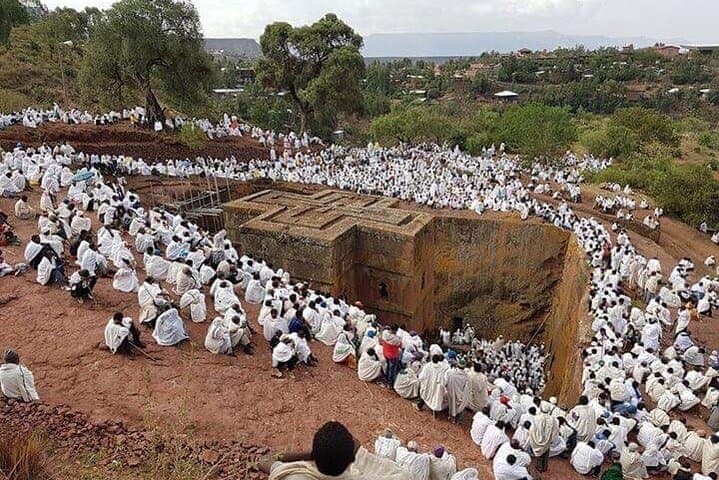
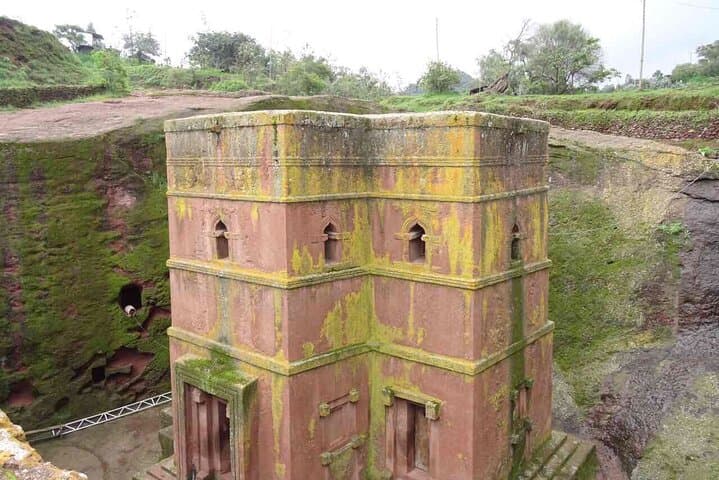
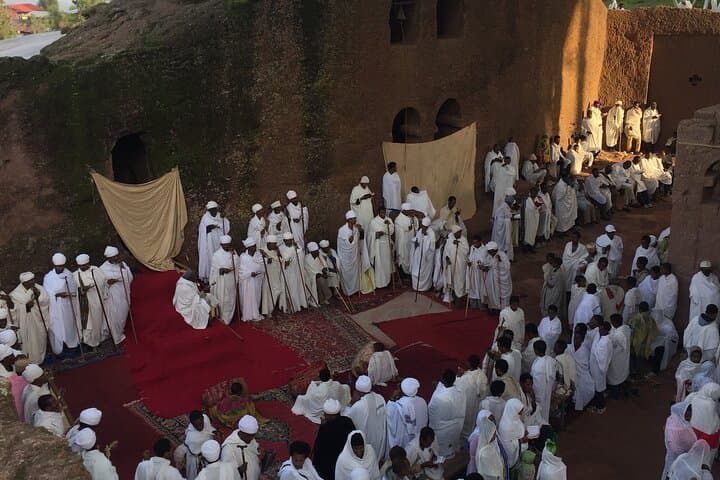
The route moves fast: the acid-bright salt pans and steaming vents of the Danakil Depression; the night watch above Erta Ale’s permanent lava lake; the cliff-edged plateaus of the Simien Mountains where Walia ibex and gelada troops pick their way across escarpments; and the rock-hewn churches of Lalibela—stone volumes carved in the 12th century that still host candlelit liturgies. In the Omo Valley the itinerary slows to human scale: Karo and Mursi communities whose body paint and lip-plate traditions reflect long-standing riverine lifeways.
Geology here is raw and immediate. Danakil sits below sea level on a tectonic rift, producing hypersaline lakes and hydrothermal fields. The Simien escarpment is an uplifted basalt plateau, cut by waterfalls and sheer drop-offs that create dramatic viewpoints and isolated habitats for endemic species.
Practical guidance: expect extremes—intense daytime heat in Danakil, chilly mountain nights in Simien, long drives across rough roads. Pack breathable sun protection, a warm insulating layer for alpine nights, sturdy hiking boots with good ankle support, and a headlamp for volcanic and camp nights. Hydrate proactively; use electrolyte tablets in the desert. Travel is a mix of moderate treks (up to several hours on rough trails) and cultural visits; a basic level of fitness and tolerance for multi-day camping is required. Respect local customs in Omo villages: ask before photographing and follow your guide’s lead. With preparation, this loop delivers geological spectacle, close wildlife encounters, and vivid cultural exchange.
challenging.
12 days.
Moderate to good fitness—able to handle multi-hour treks, uneven terrain, and several nights of basic camping.
Yes—national park and local authorities regulate access; your tour operator secures camping permits and guides required for safety in Danakil and Erta Ale.
Trekking involves steep ascents and descents on narrow escarpments; days are typically 3–6 hours—adequate fitness and sure-footedness are recommended.
Responsible operators coordinate visits with communities, pay village fees, and emphasize respectful observation—always follow guides’ advice and ask permission before photos.
Carry a basic first-aid kit, stay current on routine vaccinations, consider travel vaccines if advised, and bring antimalarial medication for lowland areas per medical guidance.
Lalibela’s rock-hewn churches date to the Zagwe dynasty (12th century) and were carved from single blocks of volcanic tuff, reflecting medieval Ethiopian Christian practice.
Simien is a UNESCO site with active conservation for endemic species; visitors should stick to trails and minimize campfire impacts. In Danakil, fragile hydrothermal areas require strict group control to prevent damage.
Adefa Tours Ethiopia operates guided outdoor trips and adventures with an emphasis on safety, stewardship, and memorable experiences.
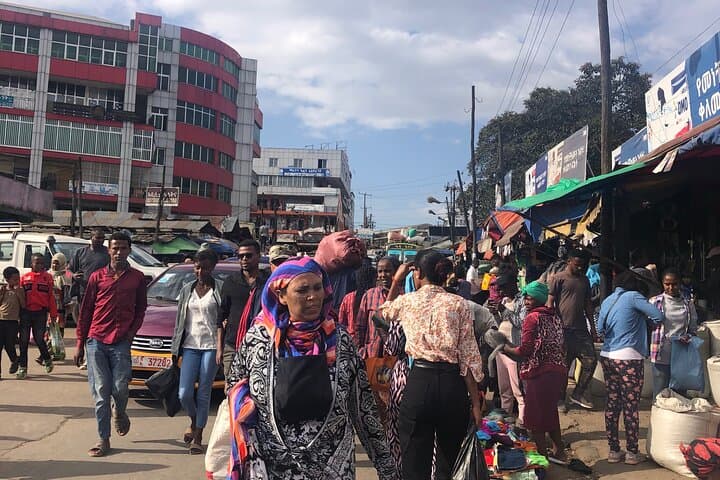
You step off the plane in Addis Ababa into night air heavy with coffee and city bustle, then trade asphalt for red dust and highland pines over the next dozen days.
You step off the plane in Addis Ababa into night air heavy with coffee and city bustle, then trade asphalt for red dust and highland pines over the next dozen days.
The route moves fast: the acid-bright salt pans and steaming vents of the Danakil Depression; the night watch above Erta Ale’s permanent lava lake; the cliff-edged plateaus of the Simien Mountains where Walia ibex and gelada troops pick their way across escarpments; and the rock-hewn churches of Lalibela—stone volumes carved in the 12th century that still host candlelit liturgies. In the Omo Valley the itinerary slows to human scale: Karo and Mursi communities whose body paint and lip-plate traditions reflect long-standing riverine lifeways.
Geology here is raw and immediate. Danakil sits below sea level on a tectonic rift, producing hypersaline lakes and hydrothermal fields. The Simien escarpment is an uplifted basalt plateau, cut by waterfalls and sheer drop-offs that create dramatic viewpoints and isolated habitats for endemic species.
Practical guidance: expect extremes—intense daytime heat in Danakil, chilly mountain nights in Simien, long drives across rough roads. Pack breathable sun protection, a warm insulating layer for alpine nights, sturdy hiking boots with good ankle support, and a headlamp for volcanic and camp nights. Hydrate proactively; use electrolyte tablets in the desert. Travel is a mix of moderate treks (up to several hours on rough trails) and cultural visits; a basic level of fitness and tolerance for multi-day camping is required. Respect local customs in Omo villages: ask before photographing and follow your guide’s lead. With preparation, this loop delivers geological spectacle, close wildlife encounters, and vivid cultural exchange.