THE ADVENTURE COLLECTIVE® · Independent discovery and booking for outdoor travel

From colonial tea roads to elephant-packed tanks and whale-rich seas, this 12-day classic Sri Lanka tour stitches history, highlands and coastline into a compact, all-inclusive itinerary. Follow the route through UNESCO-era ruins, steam through tea country on a famed mountain train, and end evenings with fresh seafood on the southern shore.
From colonial tea roads to elephant-packed tanks and whale-rich seas, this 12-day classic Sri Lanka tour stitches history, highlands and coastline into a compact, all-inclusive itinerary. Follow the route through UNESCO-era ruins, steam through tea country on a famed mountain train, and end evenings with fresh seafood on the southern shore.
You step from the humidity of Bandaranaike Airport into the warm, cinnamon-scented air and the country starts to unfold like a travel map that refuses to sit still. Over 12 days this all-inclusive circuit threads ancient stone cities and mist-soaked tea highlands with dusty jeep tracks and cobalt ocean horizons. Mornings bring the call of temple bells, afternoons bring elephants congregating by tanks, and evenings end with seafood barbecues under a wide, warm sky.
Verified experiences and guided adventures in the surrounding area.
Operated by Tour In Lanka · Colombo, Western Province
You step from the humidity of Bandaranaike Airport into the warm, cinnamon-scented air and the country starts to unfold like a travel map that refuses to sit still. Over 12 days this all-inclusive circuit threads ancient stone cities and mist-soaked tea highlands with dusty jeep tracks and cobalt ocean horizons. Mornings bring the call of temple bells, afternoons bring elephants congregating by tanks, and evenings end with seafood barbecues under a wide, warm sky.
This itinerary moves through Sri Lanka’s long human story. Anuradhapura and Polonnaruwa reveal brick and granite capitals that once governed the island’s hydraulic engineering and Buddhist scholastic life. Sigiriya’s 5th-century rock citadel is a sculpted interruption in a flat plain, while Kandy holds the Temple of the Tooth — a living religious center that shaped the island’s identity through colonial transitions. Geologically the route crosses the Central Highlands, where the island’s heart is composed of Precambrian gneiss and schist and where tea plantations carpet steep terraces carved during the British period.
Culture arrives in small details: the clatter of a village bullock cart, the precision of Kandyan drummers, the patient stoicism of temple guardians. Wildlife punctuates the trip — elephants in Minneriya, leopards and sloth bears in Yala, and blue whales in the seas off Mirissa. The operators include conservation-minded visits like Kosgoda’s turtle hatchery and controlled national-park safaris that balance viewing with protection.
Practically, the tour is built for rhythm as much as sites. Days typically start early—Sigiriya at sunrise to beat the heat, Horton Plains before dawn for the full plateau loop. Travel is by private vehicle with several overland legs and the celebrated Kandy-to-Ella train that reduces a mountain highway into a moving panorama. Accommodations are mid-range, chosen for access to attractions rather than luxury—expect practical rooms and hearty breakfasts.
To prepare: bring quick-dry layers and a light rain shell for sudden tropical showers; sturdy walking shoes for temple steps and the Horton Plains circuit; a refillable water bottle and malaria/altitude-appropriate medication as advised by your doctor; and conservative clothing for temple visits (shoulders and knees covered). Cash is useful in smaller towns, but major stops accept cards.
This 12-day loop balances culture, wildlife, and active exploration. It’s ideal for travelers who want the terrain of Sri Lanka — beaches, hills, and protected wildlife — delivered with local knowledge and logistics handled, leaving space to watch the sun move across a landscape that still likes to surprise.
moderate.
12 days.
Moderate fitness recommended—comfortable walking, a few steep climbs and several full-day transfers; not technically demanding but requires stamina for early starts.
Most nationalities require an ETA (Electronic Travel Authorization) issued online before arrival—check the official Sri Lankan immigration site well before travel.
December–April is ideal for southern beaches and whale-watching; wildlife viewing in dry zones is best from July to October when animals gather at water sources.
No mandatory vaccinations for most travelers beyond standard childhood immunizations; consult a travel clinic about hepatitis A, typhoid, and mosquito-borne disease precautions.
Tipping is customary but discretionary—suggest 500–1500 LKR per day for drivers/guides depending on service quality and group size.
Most walks are moderate—Sigiriya involves hundreds of steps; Horton Plains is a 9 km circuit with uneven ground. Good footwear makes a big difference.
Yes—operators typically offer tailored options like extra safari time, different hotels, or added days on the coast; request changes when booking.
Sri Lanka’s central plains hosted ancient hydraulic civilizations; Anuradhapura and Polonnaruwa preserve large stupas and irrigation networks dating back two millennia.
Tourism supports conservation here—visit reputable turtle hatcheries and choose jeep safaris with park-authorized guides to reduce disturbance to wildlife.
Tour In Lanka operates guided outdoor trips and adventures with an emphasis on safety, stewardship, and memorable experiences.
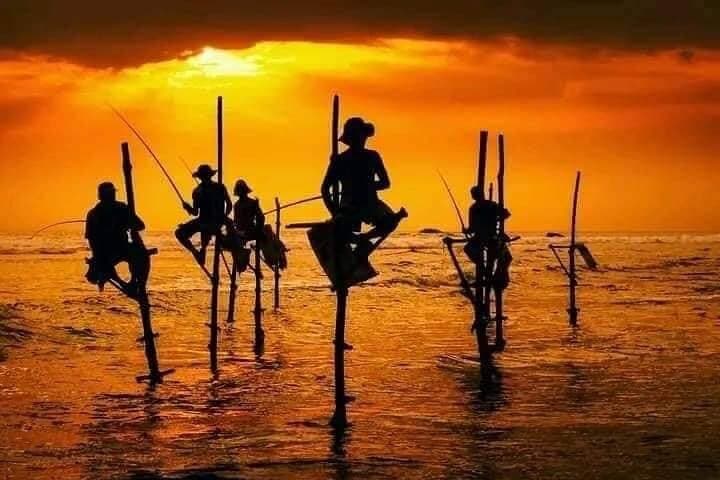
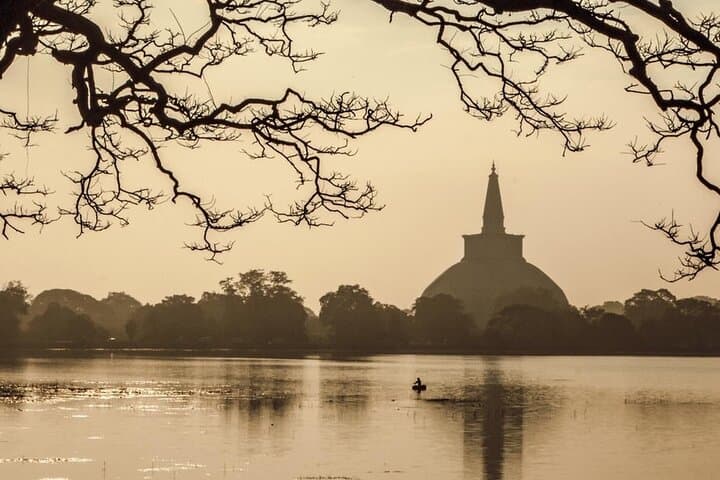
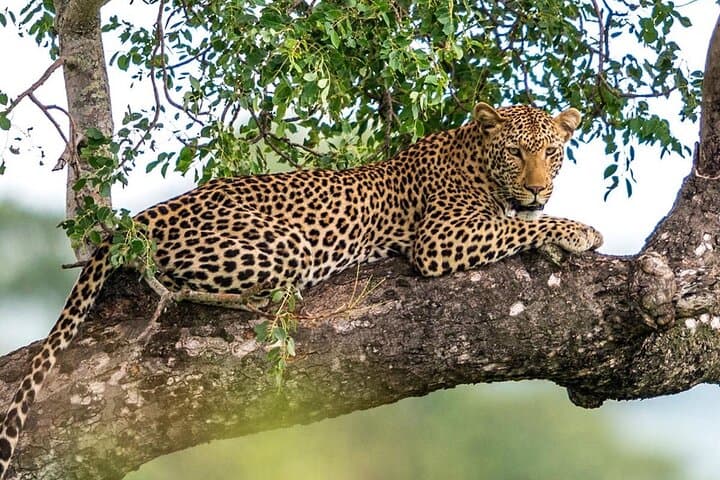

You step from the humidity of Bandaranaike Airport into the warm, cinnamon-scented air and the country starts to unfold like a travel map that refuses to sit still. Over 12 days this all-inclusive circuit threads ancient stone cities and mist-soaked tea highlands with dusty jeep tracks and cobalt ocean horizons. Mornings bring the call of temple bells, afternoons bring elephants congregating by tanks, and evenings end with seafood barbecues under a wide, warm sky.
You step from the humidity of Bandaranaike Airport into the warm, cinnamon-scented air and the country starts to unfold like a travel map that refuses to sit still. Over 12 days this all-inclusive circuit threads ancient stone cities and mist-soaked tea highlands with dusty jeep tracks and cobalt ocean horizons. Mornings bring the call of temple bells, afternoons bring elephants congregating by tanks, and evenings end with seafood barbecues under a wide, warm sky.
This itinerary moves through Sri Lanka’s long human story. Anuradhapura and Polonnaruwa reveal brick and granite capitals that once governed the island’s hydraulic engineering and Buddhist scholastic life. Sigiriya’s 5th-century rock citadel is a sculpted interruption in a flat plain, while Kandy holds the Temple of the Tooth — a living religious center that shaped the island’s identity through colonial transitions. Geologically the route crosses the Central Highlands, where the island’s heart is composed of Precambrian gneiss and schist and where tea plantations carpet steep terraces carved during the British period.
Culture arrives in small details: the clatter of a village bullock cart, the precision of Kandyan drummers, the patient stoicism of temple guardians. Wildlife punctuates the trip — elephants in Minneriya, leopards and sloth bears in Yala, and blue whales in the seas off Mirissa. The operators include conservation-minded visits like Kosgoda’s turtle hatchery and controlled national-park safaris that balance viewing with protection.
Practically, the tour is built for rhythm as much as sites. Days typically start early—Sigiriya at sunrise to beat the heat, Horton Plains before dawn for the full plateau loop. Travel is by private vehicle with several overland legs and the celebrated Kandy-to-Ella train that reduces a mountain highway into a moving panorama. Accommodations are mid-range, chosen for access to attractions rather than luxury—expect practical rooms and hearty breakfasts.
To prepare: bring quick-dry layers and a light rain shell for sudden tropical showers; sturdy walking shoes for temple steps and the Horton Plains circuit; a refillable water bottle and malaria/altitude-appropriate medication as advised by your doctor; and conservative clothing for temple visits (shoulders and knees covered). Cash is useful in smaller towns, but major stops accept cards.
This 12-day loop balances culture, wildlife, and active exploration. It’s ideal for travelers who want the terrain of Sri Lanka — beaches, hills, and protected wildlife — delivered with local knowledge and logistics handled, leaving space to watch the sun move across a landscape that still likes to surprise.