THE ADVENTURE COLLECTIVE® · Independent discovery and booking for outdoor travel

A compact 12-day circuit through Morocco’s highlights: imperial medinas, High Atlas passes, Todra’s cliffs and an overnight in the Erg Chebbi dunes. Expect long drives, varied terrain and immersive cultural encounters in riads, kasbahs and a desert camp.
A compact 12-day circuit through Morocco’s highlights: imperial medinas, High Atlas passes, Todra’s cliffs and an overnight in the Erg Chebbi dunes. Expect long drives, varied terrain and immersive cultural encounters in riads, kasbahs and a desert camp.
Dawn spills a golden dust over Jemaa el-Fnaa as your driver eases out of Marrakech and into the slow geometry of southern Morocco—olive groves, kasbah walls, and the High Atlas rising like a folded map. Over Tizi n’Tichka (about 2,260 m) the road slices through slate and wind-carved scree; later, the Erg Chebbi dunes push against the horizon in waves up to 100–150 m high, daring you to climb for sunrise.
Verified experiences and guided adventures in the surrounding area.
Operated by Gboo Morocco Tours · Marrakech, Marrakech-Safi
Dawn spills a golden dust over Jemaa el-Fnaa as your driver eases out of Marrakech and into the slow geometry of southern Morocco—olive groves, kasbah walls, and the High Atlas rising like a folded map. Over Tizi n’Tichka (about 2,260 m) the road slices through slate and wind-carved scree; later, the Erg Chebbi dunes push against the horizon in waves up to 100–150 m high, daring you to climb for sunrise.
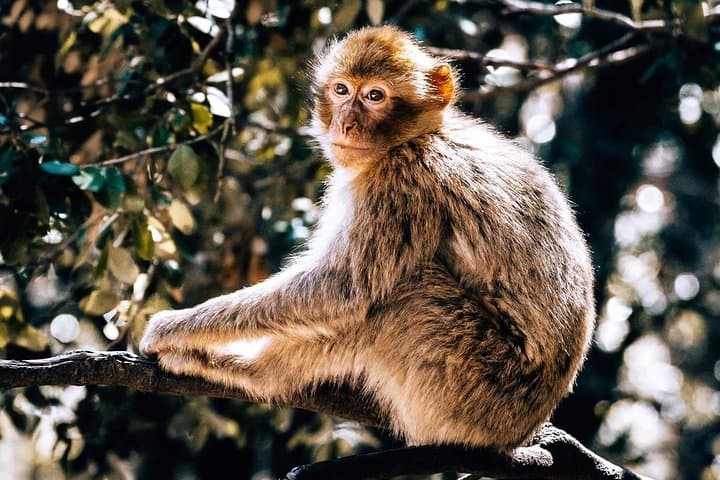
This route threads imperial cities and geological contrasts: Marrakech’s Almoravid and Saadian architecture, the mud-brick ksar of Aït Ben Haddou (UNESCO), the sculpted canyons of Todra and Dades where 300 m cliffs funnel desert winds, and the cedar forests near Ifrane where Barbary macaques eke out territory.
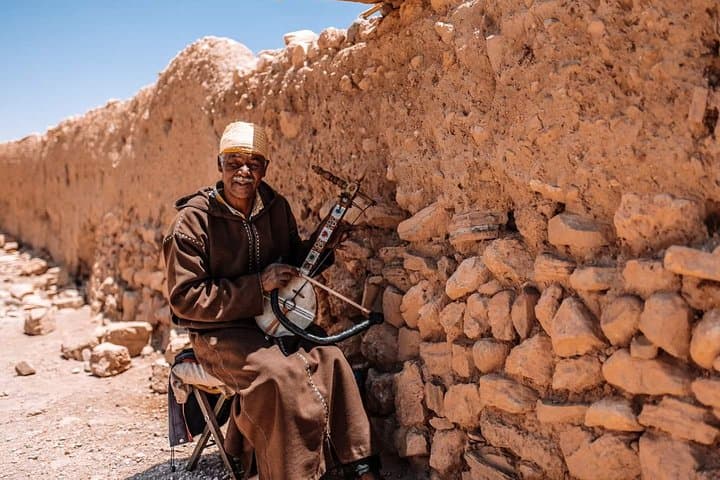
Culture arrives in human scales—riad courtyards, Berber villages clinging to terraces, and markets where argan oil cooperatives hum. Nights range from comfortable riads in medinas to a charcoal-smoke-scented desert camp beneath a wide star field.
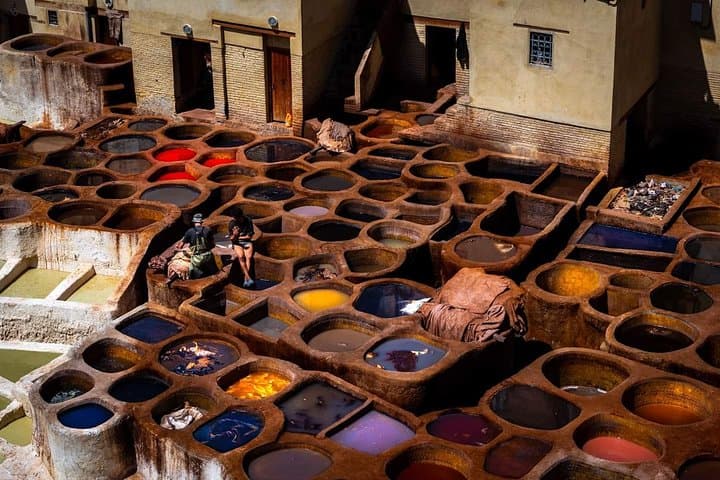
Practical edge: expect long drives (several days with 4–8 hour transfers), early starts for best light, and simple but variable accommodations. Packing is about layers: high-elevation chill and daytime heat in the south. Hydrate on route, carry cash for rural purchases, and plan for moderate fitness—dune climbs and short canyon walks are uneven underfoot. Respect local customs in religious sites and bring a scarf for wind, dust and tannery scents. With its blend of geology, history and hands-on cultural moments, this circuit gives a focused, physically approachable immersion into Morocco’s varied landscapes.
moderate.
12 days.
Moderate—able to handle dune climbs, short canyon walks, and several long transfer days.
Moderate—most days are spent traveling and sightseeing with short walks, a dune climb for sunrise, and canyon walks; no technical hiking required.
A mix of selected riads/hotels and an overnight traditional desert camp; specific properties depend on availability.
Breakfast is included most days and several dinners are provided; local lunches are often at stops where you can choose options.
Families with older children generally do well, but the trip involves uneven terrain and long drives; travelers with significant mobility issues should consult the operator first.
This route links Morocco’s imperial heritage—Marrakech, Fes and Rabat—with caravan-era routes and fortified ksars like Aït Ben Haddou, reflecting centuries of trade and Berber settlement.
Water is scarce in many segments—use refillable bottles and support local cooperatives that practice sustainable argan and rose cultivation.
Gboo Morocco Tours operates guided outdoor trips and adventures with an emphasis on safety, stewardship, and memorable experiences.
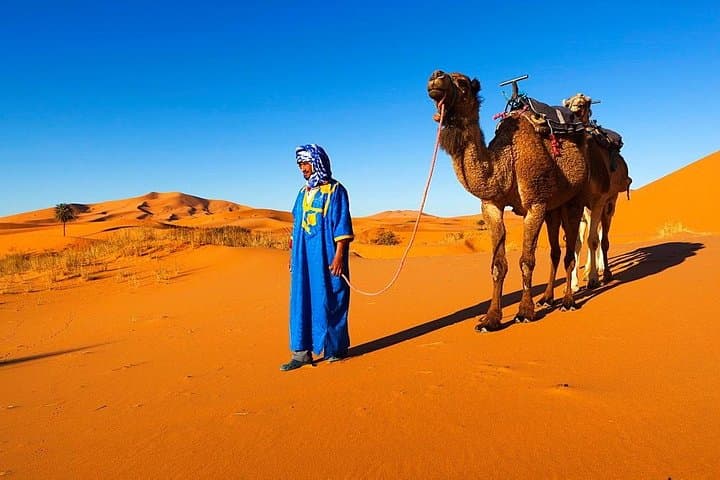
Dawn spills a golden dust over Jemaa el-Fnaa as your driver eases out of Marrakech and into the slow geometry of southern Morocco—olive groves, kasbah walls, and the High Atlas rising like a folded map. Over Tizi n’Tichka (about 2,260 m) the road slices through slate and wind-carved scree; later, the Erg Chebbi dunes push against the horizon in waves up to 100–150 m high, daring you to climb for sunrise.
Dawn spills a golden dust over Jemaa el-Fnaa as your driver eases out of Marrakech and into the slow geometry of southern Morocco—olive groves, kasbah walls, and the High Atlas rising like a folded map. Over Tizi n’Tichka (about 2,260 m) the road slices through slate and wind-carved scree; later, the Erg Chebbi dunes push against the horizon in waves up to 100–150 m high, daring you to climb for sunrise.
This route threads imperial cities and geological contrasts: Marrakech’s Almoravid and Saadian architecture, the mud-brick ksar of Aït Ben Haddou (UNESCO), the sculpted canyons of Todra and Dades where 300 m cliffs funnel desert winds, and the cedar forests near Ifrane where Barbary macaques eke out territory.
Culture arrives in human scales—riad courtyards, Berber villages clinging to terraces, and markets where argan oil cooperatives hum. Nights range from comfortable riads in medinas to a charcoal-smoke-scented desert camp beneath a wide star field.
Practical edge: expect long drives (several days with 4–8 hour transfers), early starts for best light, and simple but variable accommodations. Packing is about layers: high-elevation chill and daytime heat in the south. Hydrate on route, carry cash for rural purchases, and plan for moderate fitness—dune climbs and short canyon walks are uneven underfoot. Respect local customs in religious sites and bring a scarf for wind, dust and tannery scents. With its blend of geology, history and hands-on cultural moments, this circuit gives a focused, physically approachable immersion into Morocco’s varied landscapes.