THE ADVENTURE COLLECTIVE® · Independent discovery and booking for outdoor travel

A 12-day itinerary that pairs Cairo’s ancient monuments with a multi-night Nile cruise and Red Sea beach time. Expect guided archaeological highlights, relaxed river travel, and a few days of all‑inclusive shoreline recovery in Hurghada.
A 12-day itinerary that pairs Cairo’s ancient monuments with a multi-night Nile cruise and Red Sea beach time. Expect guided archaeological highlights, relaxed river travel, and a few days of all‑inclusive shoreline recovery in Hurghada.
You step out of the airport into Cairo’s dry heat and the city opens like a living map: minarets and traffic, the distant slope of the Giza Plateau crowned by pyramids that refuse to look small. Over the next twelve days the landscape rearranges itself — Cairo’s layered streets give way to the Nile’s slow ribbon, then to the ochre cliffs of Luxor and Aswan, and finally to the coral reefs and turquoise shorelines of Hurghada.
Verified experiences and guided adventures in the surrounding area.
Operated by Look at Egypt Tours · Cairo, Cairo
You step out of the airport into Cairo’s dry heat and the city opens like a living map: minarets and traffic, the distant slope of the Giza Plateau crowned by pyramids that refuse to look small. Over the next twelve days the landscape rearranges itself — Cairo’s layered streets give way to the Nile’s slow ribbon, then to the ochre cliffs of Luxor and Aswan, and finally to the coral reefs and turquoise shorelines of Hurghada.
This itinerary threads Egypt’s core stories: Pharaonic tomb-building at Giza and Saqqara, the temple complexes of Karnak and Luxor shaped over millennia, and the Ptolemaic-era sanctuaries like Philae and Kom Ombo carved close to the river. Geology plays a quiet role — the Nile’s alluvial plain supports millennia of settlements while the Eastern Desert and Sinai supply the limestone and sandstone used in ancient temples. Culture here is public and tactile: marketplaces where bartering is practiced, Coptic churches that preserve early Christian art, and modern cafés where tea steams under the same sky that watched pharaohs pass.
Practical guidance: expect long travel days and early starts for popular sites to avoid crowds and heat; bring layered, breathable clothing for temple interiors and cool nights on the Nile. Shoes should handle uneven stone and boarding small boats. Hydrate constantly — bottled water is recommended — and carry photocopies of documents. The tour covers entry fees and many meals, but allow cash for tips, small purchases, and optional experiences like a felucca ride at sunset. Pace your days: the river and the desert both move on their own time, and the best view often comes if you slow down to watch it.
moderate.
12 days.
Suitable for travelers in average fitness; expect multiple walks of 1–3 hours, steps and boarding small boats, and full days of standing and walking.
Yes — the advertised itinerary includes entry fees for the major sites listed, such as Giza, Saqqara, Karnak, and the Valley of the Kings.
Most travelers require a visa; many nationalities can obtain a visa on arrival or apply online — check current Egyptian government guidance before travel.
Ships vary; this tour notes wheelchair-accessible transport, but some temple sites have stairs and uneven surfaces — contact the operator ahead to confirm specific accessibility needs.
Yes — Hurghada offers snorkeling and diving options; these are typically optional extras at the resort and require basic swim competency.
This route connects Egypt’s Pharaonic heartlands with Ptolemaic and Greco-Roman layers — monuments here were built, reused, and inscribed over millennia by successive rulers.
High visitor numbers stress fragile tomb pigments and temple surfaces; follow site rules, avoid flash photography where prohibited, and use designated paths to reduce impact.
Look at Egypt Tours operates guided outdoor trips and adventures with an emphasis on safety, stewardship, and memorable experiences.
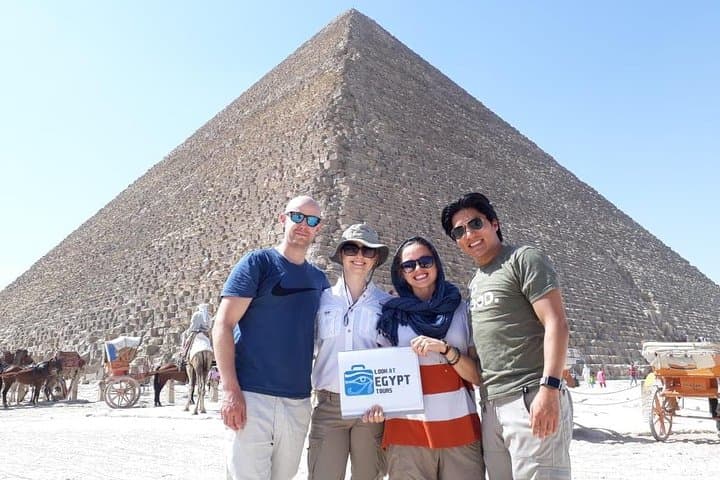
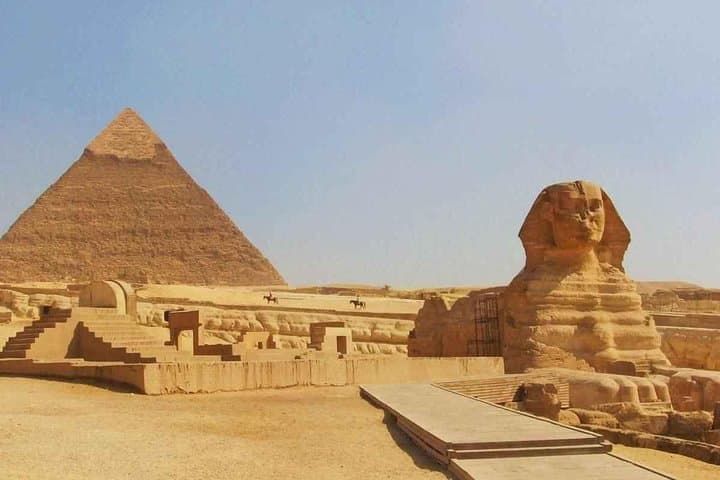

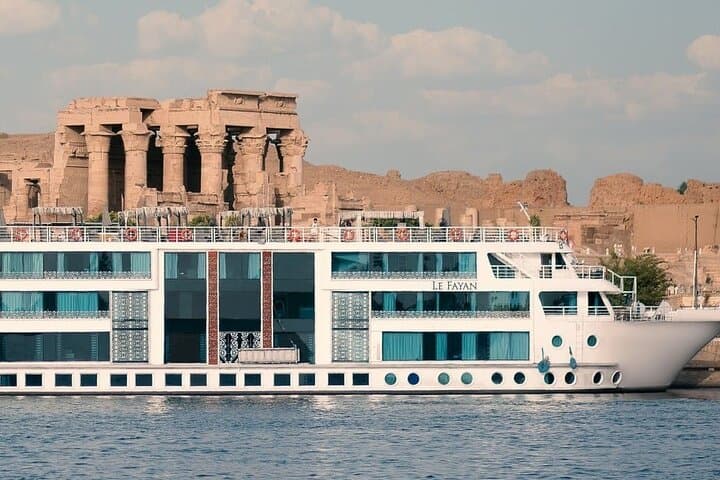
You step out of the airport into Cairo’s dry heat and the city opens like a living map: minarets and traffic, the distant slope of the Giza Plateau crowned by pyramids that refuse to look small. Over the next twelve days the landscape rearranges itself — Cairo’s layered streets give way to the Nile’s slow ribbon, then to the ochre cliffs of Luxor and Aswan, and finally to the coral reefs and turquoise shorelines of Hurghada.
You step out of the airport into Cairo’s dry heat and the city opens like a living map: minarets and traffic, the distant slope of the Giza Plateau crowned by pyramids that refuse to look small. Over the next twelve days the landscape rearranges itself — Cairo’s layered streets give way to the Nile’s slow ribbon, then to the ochre cliffs of Luxor and Aswan, and finally to the coral reefs and turquoise shorelines of Hurghada.
This itinerary threads Egypt’s core stories: Pharaonic tomb-building at Giza and Saqqara, the temple complexes of Karnak and Luxor shaped over millennia, and the Ptolemaic-era sanctuaries like Philae and Kom Ombo carved close to the river. Geology plays a quiet role — the Nile’s alluvial plain supports millennia of settlements while the Eastern Desert and Sinai supply the limestone and sandstone used in ancient temples. Culture here is public and tactile: marketplaces where bartering is practiced, Coptic churches that preserve early Christian art, and modern cafés where tea steams under the same sky that watched pharaohs pass.
Practical guidance: expect long travel days and early starts for popular sites to avoid crowds and heat; bring layered, breathable clothing for temple interiors and cool nights on the Nile. Shoes should handle uneven stone and boarding small boats. Hydrate constantly — bottled water is recommended — and carry photocopies of documents. The tour covers entry fees and many meals, but allow cash for tips, small purchases, and optional experiences like a felucca ride at sunset. Pace your days: the river and the desert both move on their own time, and the best view often comes if you slow down to watch it.