THE ADVENTURE COLLECTIVE® · Independent discovery and booking for outdoor travel

Move from Buenos Aires’s street-scenery to the thunder of Iguazu Falls and the beaches and peaks of Rio in a compact 12‑day route. This tour combines city culture, subtropical jungle boardwalks and coastal panoramas with practical travel logistics handled throughout.
Move from Buenos Aires’s street-scenery to the thunder of Iguazu Falls and the beaches and peaks of Rio in a compact 12‑day route. This tour combines city culture, subtropical jungle boardwalks and coastal panoramas with practical travel logistics handled throughout.
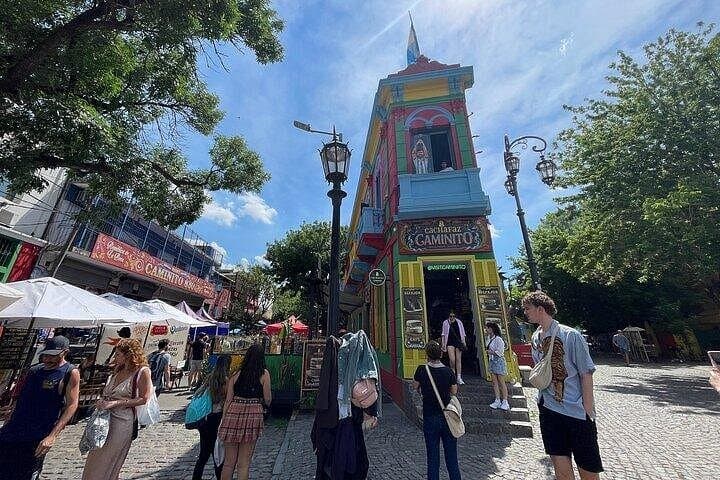
You step out into Buenos Aires at dusk: traffic hums along Avenida 9 de Julio while streetlamps throw long shadows across colonial stone. The city’s rhythm—coffee shops, tango calls and wide boulevards—gives way days later to jungle trails where the Iguazu River dares you closer to the edge, and to Rio’s sunlit peaks and beaches where the Atlantic pushes the coastline into a parade of bays.
Verified experiences and guided adventures in the surrounding area.
Operated by Tangol · Buenos Aires, Buenos Aires
You step out into Buenos Aires at dusk: traffic hums along Avenida 9 de Julio while streetlamps throw long shadows across colonial stone. The city’s rhythm—coffee shops, tango calls and wide boulevards—gives way days later to jungle trails where the Iguazu River dares you closer to the edge, and to Rio’s sunlit peaks and beaches where the Atlantic pushes the coastline into a parade of bays.
This 12-day itinerary threads three distinct landscapes. Buenos Aires is Argentina’s political and cultural hub, shaped by 19th-century European migration and the porteño obsession with tango and parrilla. Iguazu sits on a faulted basalt plateau where the Paraná river drops over basalt cliffs, creating one of the world’s largest curtain waterfalls; the park preserves subtropical forest that shelters coatis and toucans. Rio’s geology is dramatic—granite monoliths like Sugarloaf and Corcovado rise suddenly from the sand; Tijuca is the largest urban forest, regrown in the 19th century to protect the city’s water supply.
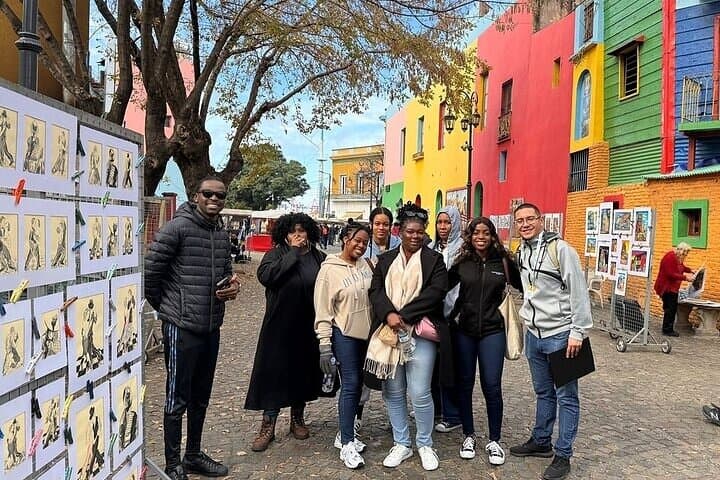
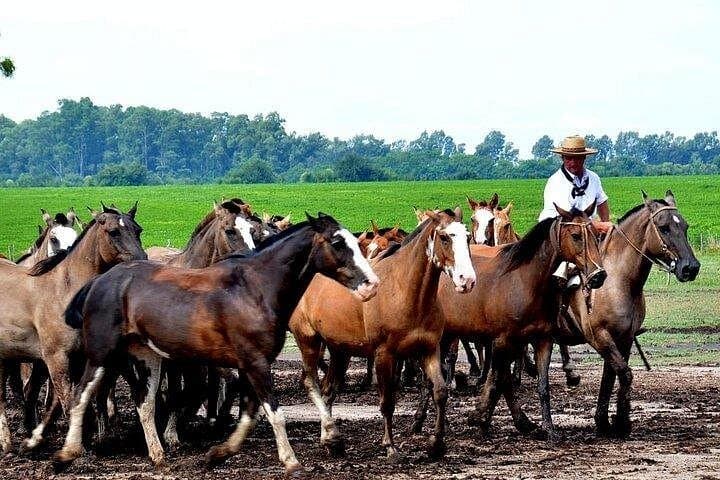
Expect a mix of guided city walks, a ranch (estancia) day with horseback and folk demonstrations, boat rides in the Tigre delta and Guanabara Bay, and full days on the walkways at Iguazu. Practicalities: carry valid passports and check Brazil visa rules, bring a light waterproof, and plan walks in the cooler morning hours to avoid crowds and midday humidity. Comfortable, broken-in walking shoes, insect protection and a daypack with water make the trip smoother. Travel between cities is by short flights arranged in the itinerary; most park access involves boardwalks and short trains—no technical equipment required.
moderate.
12 days.
Light to moderate fitness required: comfortable walking for 2–4 hours on sightseeing days and short hikes on jungle boardwalks.
Visa requirements depend on your nationality; check consular guidance well before departure—the operator explicitly asks travelers to verify visa needs for Brazil.
Expect several kilometers on raised wooden walkways and stairs; the main circuits can total 3–5 km with short elevation changes and some stair sections to viewpoints.
Flights between Buenos Aires, Puerto Iguazu and Rio are arranged as part of the itinerary; confirm flight times and baggage allowances with the operator after booking.
Yes—this itinerary is rated suitable for all fitness levels, but travelers with reduced mobility should check specific park walkway access and stair sections at viewpoints.
Buenos Aires grew rapidly in the late 19th and early 20th centuries under heavy European immigration; Iguazu National Park was established in the 1930s and later recognized as a UNESCO World Heritage Site.
Stick to marked walkways at Iguazu and Tijuca to protect sensitive forest floor and nesting sites; avoid feeding wildlife and use biodegradable sunscreen near waterways.
Tangol operates guided outdoor trips and adventures with an emphasis on safety, stewardship, and memorable experiences.

You step out into Buenos Aires at dusk: traffic hums along Avenida 9 de Julio while streetlamps throw long shadows across colonial stone. The city’s rhythm—coffee shops, tango calls and wide boulevards—gives way days later to jungle trails where the Iguazu River dares you closer to the edge, and to Rio’s sunlit peaks and beaches where the Atlantic pushes the coastline into a parade of bays.
You step out into Buenos Aires at dusk: traffic hums along Avenida 9 de Julio while streetlamps throw long shadows across colonial stone. The city’s rhythm—coffee shops, tango calls and wide boulevards—gives way days later to jungle trails where the Iguazu River dares you closer to the edge, and to Rio’s sunlit peaks and beaches where the Atlantic pushes the coastline into a parade of bays.
This 12-day itinerary threads three distinct landscapes. Buenos Aires is Argentina’s political and cultural hub, shaped by 19th-century European migration and the porteño obsession with tango and parrilla. Iguazu sits on a faulted basalt plateau where the Paraná river drops over basalt cliffs, creating one of the world’s largest curtain waterfalls; the park preserves subtropical forest that shelters coatis and toucans. Rio’s geology is dramatic—granite monoliths like Sugarloaf and Corcovado rise suddenly from the sand; Tijuca is the largest urban forest, regrown in the 19th century to protect the city’s water supply.
Expect a mix of guided city walks, a ranch (estancia) day with horseback and folk demonstrations, boat rides in the Tigre delta and Guanabara Bay, and full days on the walkways at Iguazu. Practicalities: carry valid passports and check Brazil visa rules, bring a light waterproof, and plan walks in the cooler morning hours to avoid crowds and midday humidity. Comfortable, broken-in walking shoes, insect protection and a daypack with water make the trip smoother. Travel between cities is by short flights arranged in the itinerary; most park access involves boardwalks and short trains—no technical equipment required.