THE ADVENTURE COLLECTIVE® · Independent discovery and booking for outdoor travel

A classic high-altitude traverse of the Annapurna Circuit, this 12-day trek crosses Thorong La Pass (5,416 m) and ends in the sacred Muktinath and windswept Jomsom valley. Expect teahouse nights, steep acclimatization days, and sweeping Himalayan panoramas.
A classic high-altitude traverse of the Annapurna Circuit, this 12-day trek crosses Thorong La Pass (5,416 m) and ends in the sacred Muktinath and windswept Jomsom valley. Expect teahouse nights, steep acclimatization days, and sweeping Himalayan panoramas.
At dawn the Annapurna Circuit unfolds like a route-lettered map: prayer flags snap in Himalayan wind while ridge and river trade places on the horizon. You begin on a coach ride from Kathmandu or Pokhara, slipping through terraced foothills before the trail climbs into pine and birch, then into the stony, high-altitude quiet above Manang.
Verified experiences and guided adventures in the surrounding area.
Operated by Peak to Peak Tours and Treks Pvt Ltd · Manang, Gandaki Province
At dawn the Annapurna Circuit unfolds like a route-lettered map: prayer flags snap in Himalayan wind while ridge and river trade places on the horizon. You begin on a coach ride from Kathmandu or Pokhara, slipping through terraced foothills before the trail climbs into pine and birch, then into the stony, high-altitude quiet above Manang.
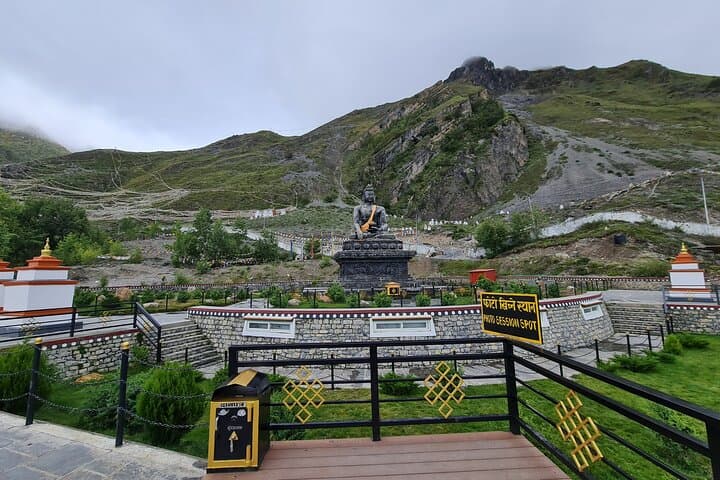
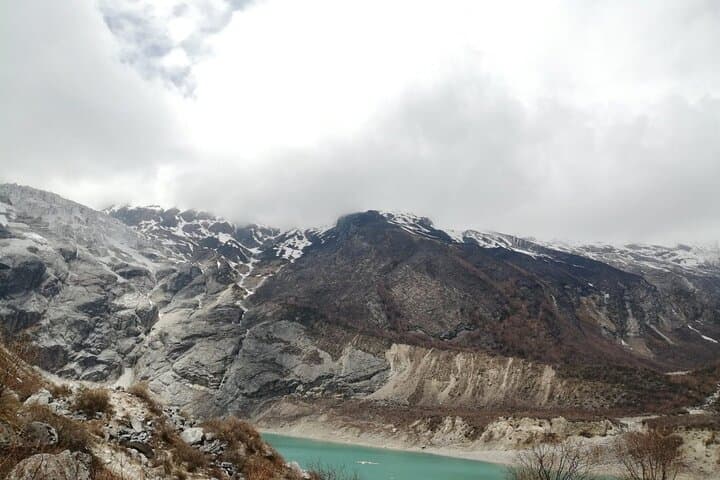
This route follows ancient caravan tracks that linked Tibetan plateaus and Nepali valleys; geology here shifts from green schist and terraced alluvium to wind-polished moraine and grey gneiss as you near Thorong La. Villages such as Chame, Pisang and Marpha show Tibetan Buddhist and Gurung influences—monasteries, chortens, and apple orchards mark human resilience at altitude.
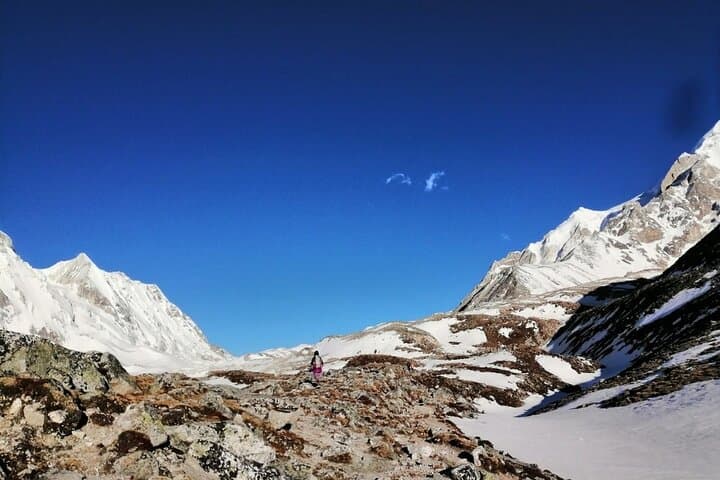
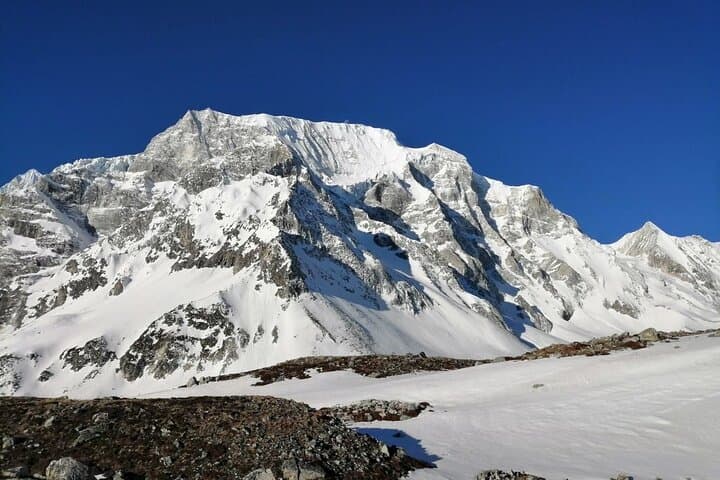
Expect varied terrain: river-side paths, stone staircases, high gravel passes and exposed scree. The high point is Thorong La Pass (5,416 m), where mountain air presses a solemn hush and views push your attention outward toward Dhaulagiri and Annapurna ranges. Rivers dare you forward and winds test your balance; at descent the sacred pools of Muktinath offer cultural relief.
Practical guidance: allow adequate acclimatization days and hydrate constantly; overnight teahouses provide basic meals and bedding but pack a warm down layer and sleeping liner. Footwear with stiff soles and trekking poles reduce strain on knees. Start pre-trip cardio training and consult your physician about altitude medication. Travel insurance that covers high-altitude rescue is strongly recommended. Time daily hiking to morning light for safer crossings and clearer views. Bring cash; many teahouses don't accept cards above Manang, and power is limited.
challenging.
12 days.
Good aerobic conditioning and prior multi-day hiking experience recommended; comfortable with long daily ascents and high altitude.
Yes—Trekkers typically require the Annapurna Conservation Area Permit (ACAP) and a TIMS card; your operator usually arranges these.
The pass is high (5,416 m) and demanding—expect steep sections, wind exposure, and the need for good acclimatization.
Teahouses are basic but serviceable: simple beds, shared bathrooms, and hot meals; bring a liner and small towel.
Fall (Sept–Nov) and spring (Mar–May) are the most reliable for clear weather and trail conditions.
The circuit follows historic trade routes between Nepal and Tibet; settlements reflect centuries of cross-cultural exchange and Buddhist practice.
The Annapurna Conservation Area protects landscapes and communities; trekkers should pack out waste, use local guides, and minimize single-use plastics.
Peak to Peak Tours and Treks Pvt Ltd operates guided outdoor trips and adventures with an emphasis on safety, stewardship, and memorable experiences.
At dawn the Annapurna Circuit unfolds like a route-lettered map: prayer flags snap in Himalayan wind while ridge and river trade places on the horizon. You begin on a coach ride from Kathmandu or Pokhara, slipping through terraced foothills before the trail climbs into pine and birch, then into the stony, high-altitude quiet above Manang.
At dawn the Annapurna Circuit unfolds like a route-lettered map: prayer flags snap in Himalayan wind while ridge and river trade places on the horizon. You begin on a coach ride from Kathmandu or Pokhara, slipping through terraced foothills before the trail climbs into pine and birch, then into the stony, high-altitude quiet above Manang.
This route follows ancient caravan tracks that linked Tibetan plateaus and Nepali valleys; geology here shifts from green schist and terraced alluvium to wind-polished moraine and grey gneiss as you near Thorong La. Villages such as Chame, Pisang and Marpha show Tibetan Buddhist and Gurung influences—monasteries, chortens, and apple orchards mark human resilience at altitude.
Expect varied terrain: river-side paths, stone staircases, high gravel passes and exposed scree. The high point is Thorong La Pass (5,416 m), where mountain air presses a solemn hush and views push your attention outward toward Dhaulagiri and Annapurna ranges. Rivers dare you forward and winds test your balance; at descent the sacred pools of Muktinath offer cultural relief.
Practical guidance: allow adequate acclimatization days and hydrate constantly; overnight teahouses provide basic meals and bedding but pack a warm down layer and sleeping liner. Footwear with stiff soles and trekking poles reduce strain on knees. Start pre-trip cardio training and consult your physician about altitude medication. Travel insurance that covers high-altitude rescue is strongly recommended. Time daily hiking to morning light for safer crossings and clearer views. Bring cash; many teahouses don't accept cards above Manang, and power is limited.