THE ADVENTURE COLLECTIVE® · Independent discovery and booking for outdoor travel

A 12-day loop from Kathmandu and Pokhara over Thorong La, the Annapurna Circuit combines high passes, traditional villages and sunrise views at Poon Hill. This trek balances cultural stops, acclimatization and sustained high-altitude hiking for a classic Himalayan experience.
A 12-day loop from Kathmandu and Pokhara over Thorong La, the Annapurna Circuit combines high passes, traditional villages and sunrise views at Poon Hill. This trek balances cultural stops, acclimatization and sustained high-altitude hiking for a classic Himalayan experience.
A single line of prayer flags snaps in the high wind as the group crests a ridge above a braided river; below, terraces step down like carved teeth toward warmer valleys. Over 12 days the Annapurna Circuit pushes you from humid foothills through rhododendron and oak forests into the cold, open badlands of the Thorong La approach, then rewards you with sunrise on Poon Hill and steaming hot springs at Tatopani.
Verified experiences and guided adventures in the surrounding area.
Operated by Magnificent Himalayan Treks · Pokhara, Gandaki Province
A single line of prayer flags snaps in the high wind as the group crests a ridge above a braided river; below, terraces step down like carved teeth toward warmer valleys. Over 12 days the Annapurna Circuit pushes you from humid foothills through rhododendron and oak forests into the cold, open badlands of the Thorong La approach, then rewards you with sunrise on Poon Hill and steaming hot springs at Tatopani.
This route follows ancient salt-and-wool trade arteries through the Himalaya. Geologically the circuit skirts the massive Annapurna massif—granite and metamorphic rock uplifted by the Indian plate—so views shift rapidly from green valleys to glaciated peaks such as Annapurna I, Dhaulagiri and Machhapuchhre. Culturally, you’ll pass Gurung and Tibetan-influenced villages, mani walls and simple gompas where local life mixes with pilgrimage and trade.
Expect 10–20 km daily on uneven trails, daily elevation gain up to 800–1,200 m on steeper days, and a high point at Thorong La (5,416 m). Terrain varies from packed dirt in villages to rocky moraines and scree near the pass; lodges (tea houses) provide shelter and basic meals along the way.
Practical essentials: prioritize acclimatization days, carry layered clothing and a reliable water treatment, and start pre-trip fitness training for sustained uphill days. Trek early on pass day to avoid wind and aim to travel March–May or Sept–Nov for the best combination of weather and visibility. Respect local customs, pack out waste, and let the mountains set the pace.
challenging.
12 days.
Good aerobic base and multi-day hiking experience; able to carry a daypack and handle consecutive uphill days at altitude.
Yes—Annapurna Conservation Area Permit (ACAP) and a Trekkers' Information Management System (TIMS) card are required and typically handled by tour operators.
Thorong La is a long, high-altitude pass (5,416 m). It involves pre-dawn ascent, cold and wind—good acclimatization and early starts are essential.
Tea house/lodge accommodation with shared rooms and basic bedding; meals are included during trekking days as described in the itinerary.
Spring (March–May) and autumn (Sept–Nov) offer the most stable weather and clear mountain views; monsoon season brings heavy rain and winter brings snow on high passes.
The circuit traces historical trade routes between Tibet and Nepal; villages show a mix of Gurung and Tibetan Buddhist cultural influences.
The route passes through the Annapurna Conservation Area—stick to marked trails, avoid single-use plastics and use lodge toilet systems to limit impact.
Magnificent Himalayan Treks operates guided outdoor trips and adventures with an emphasis on safety, stewardship, and memorable experiences.
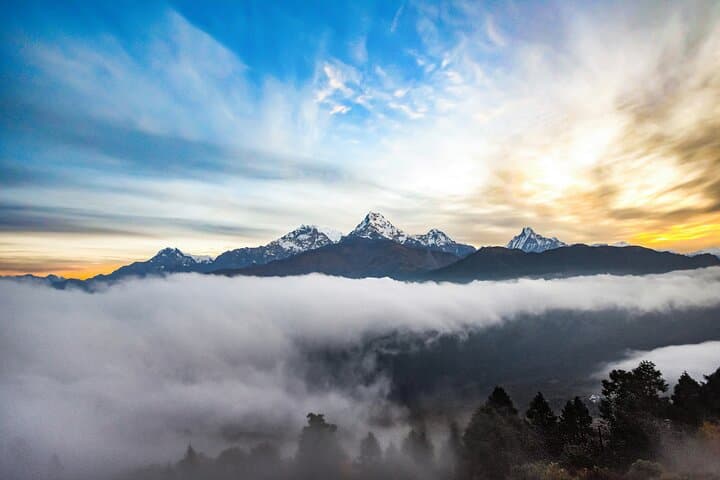
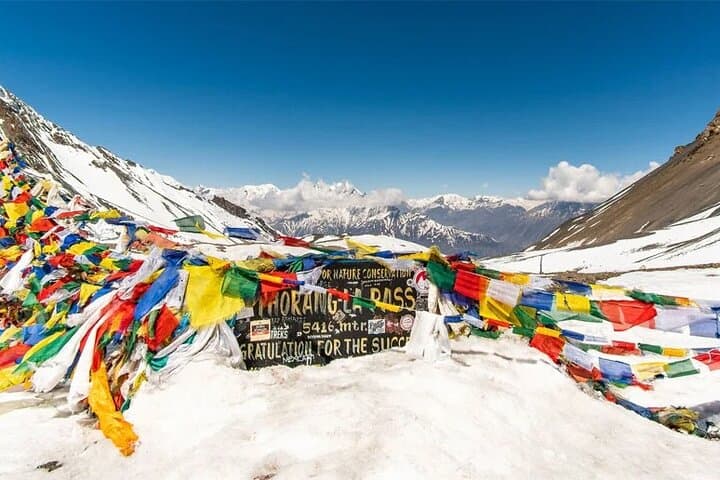
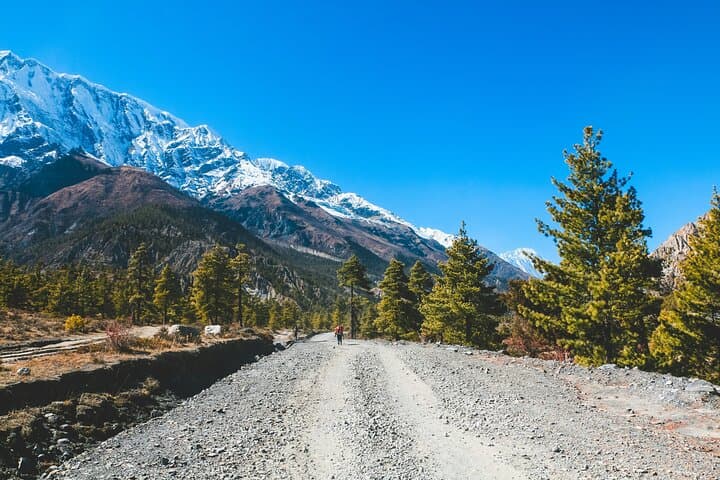
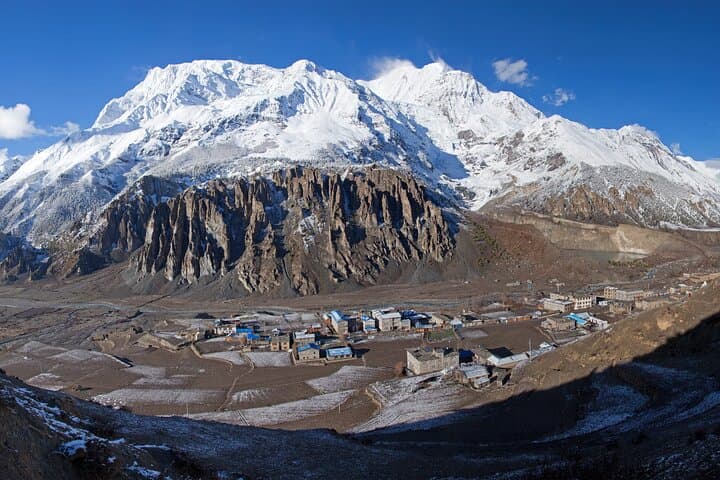
A single line of prayer flags snaps in the high wind as the group crests a ridge above a braided river; below, terraces step down like carved teeth toward warmer valleys. Over 12 days the Annapurna Circuit pushes you from humid foothills through rhododendron and oak forests into the cold, open badlands of the Thorong La approach, then rewards you with sunrise on Poon Hill and steaming hot springs at Tatopani.
A single line of prayer flags snaps in the high wind as the group crests a ridge above a braided river; below, terraces step down like carved teeth toward warmer valleys. Over 12 days the Annapurna Circuit pushes you from humid foothills through rhododendron and oak forests into the cold, open badlands of the Thorong La approach, then rewards you with sunrise on Poon Hill and steaming hot springs at Tatopani.
This route follows ancient salt-and-wool trade arteries through the Himalaya. Geologically the circuit skirts the massive Annapurna massif—granite and metamorphic rock uplifted by the Indian plate—so views shift rapidly from green valleys to glaciated peaks such as Annapurna I, Dhaulagiri and Machhapuchhre. Culturally, you’ll pass Gurung and Tibetan-influenced villages, mani walls and simple gompas where local life mixes with pilgrimage and trade.
Expect 10–20 km daily on uneven trails, daily elevation gain up to 800–1,200 m on steeper days, and a high point at Thorong La (5,416 m). Terrain varies from packed dirt in villages to rocky moraines and scree near the pass; lodges (tea houses) provide shelter and basic meals along the way.
Practical essentials: prioritize acclimatization days, carry layered clothing and a reliable water treatment, and start pre-trip fitness training for sustained uphill days. Trek early on pass day to avoid wind and aim to travel March–May or Sept–Nov for the best combination of weather and visibility. Respect local customs, pack out waste, and let the mountains set the pace.