THE ADVENTURE COLLECTIVE® · Independent discovery and booking for outdoor travel

Traverse Vietnam from Hanoi to the Mekong across rice terraces, imperial ruins and coastal passes. This 11‑day route combines moderate mountain treks, cultural homestays and river journeys for a varied, hands‑on introduction to the country.
Traverse Vietnam from Hanoi to the Mekong across rice terraces, imperial ruins and coastal passes. This 11‑day route combines moderate mountain treks, cultural homestays and river journeys for a varied, hands‑on introduction to the country.
The bus eases out of Hanoi before dawn and the city’s noise peels away, replaced by karst towers rising like jagged islands from emerald paddies. By the second day you’re in Ninh Binh, moving slowly through Trang An’s caves by sampan where limestone walls close in and the river seems to push you forward into cool shadow. Higher still, Sapa’s terraces unfold in stepped ribbons; the Muong Hoa valley and the trails between Y Linh Ho, Lao Chai and Ta Van demand steady feet and reward wide, windy views of Hoang Lien Son ridges.
Verified experiences and guided adventures in the surrounding area.
Operated by Up Travel Vietnam · Hanoi, Hanoi
The bus eases out of Hanoi before dawn and the city’s noise peels away, replaced by karst towers rising like jagged islands from emerald paddies. By the second day you’re in Ninh Binh, moving slowly through Trang An’s caves by sampan where limestone walls close in and the river seems to push you forward into cool shadow. Higher still, Sapa’s terraces unfold in stepped ribbons; the Muong Hoa valley and the trails between Y Linh Ho, Lao Chai and Ta Van demand steady feet and reward wide, windy views of Hoang Lien Son ridges.
This itinerary threads Vietnam’s layered past into its landscapes: imperial Hue with its citadel and tombs; maritime Da Nang and the hairpin sweep of Hai Van Pass; Hoi An’s merchant houses and lantern-lit river; then the toughness of Cu Chi’s tunnels and the braided waterways of the Mekong Delta. Geology here is loud—limestone karsts, alluvial floodplains and granite hills—each shaping local livelihoods from rice terraces to coconut groves.
Expect varied terrain: riverboat passages, lowland cycling in Delta villages, and mountain tracks of 4–9 km per day with short elevation gains and some steep sections on stone or muddy trails. Cultural contact is central—homestays with Dzay and H’Mong families, market visits and hands-on craft demos.
Practical notes: pack a light rain shell, sturdy treaded shoes, and a small daypack; hydrate often in humid lowlands and layer for cool nights in Sapa. Travel windows: mornings are best for light and crowds; allow time for transfers and local pacing. With basic hiking fitness and respect for local customs, this route is an immersive, manageable way to see Vietnam’s contrasts.
moderate.
11 days.
Suitable for travelers with regular aerobic activity; able to walk 4–9 km on uneven trails and handle several consecutive days of hiking.
Overall moderate: daily activities include village walks and mountain treks of 4–9 km with short climbs; basic fitness and steady footing are sufficient.
Domestic flights between Danang and Ho Chi Minh City are excluded—book separately or choose the operator’s suggested options.
Vietnamese đồng (VND) is accepted widely in rural areas; major cities take cards but carry cash for markets, tips and small vendors.
Most breakfasts and several lunches/dinners are included; accommodations alternate between 3‑star hotels and local homestays as described in the itinerary.
Route highlights reflect Vietnam’s layered past—from imperial Hue and French colonial remnants to wartime Cu Chi tunnels—each place shaped by strategic geography and centuries of trade.
Popular sites are sensitive to foot traffic and boat pollution; stick to marked paths, avoid single‑use plastics and support local guides and homestays to spread economic benefits.
Up Travel Vietnam operates guided outdoor trips and adventures with an emphasis on safety, stewardship, and memorable experiences.
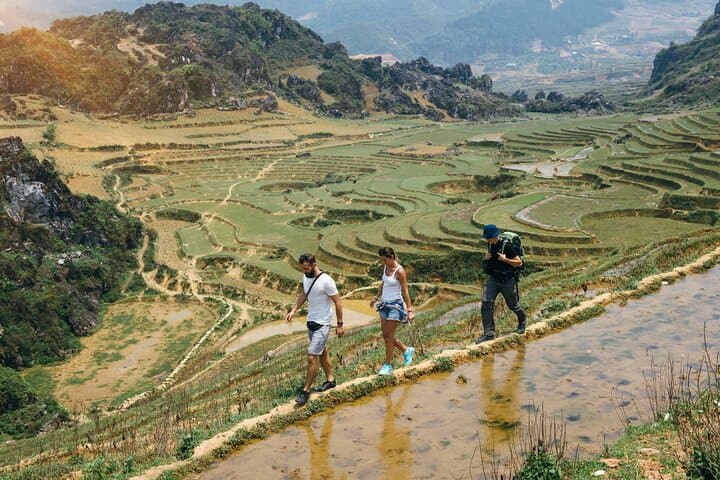
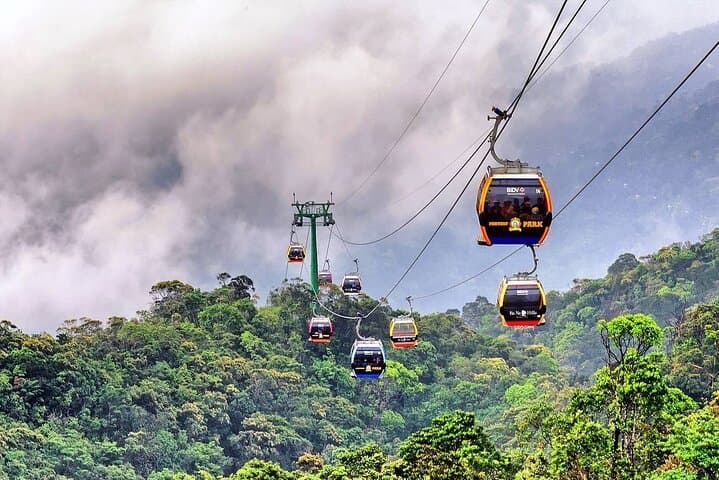

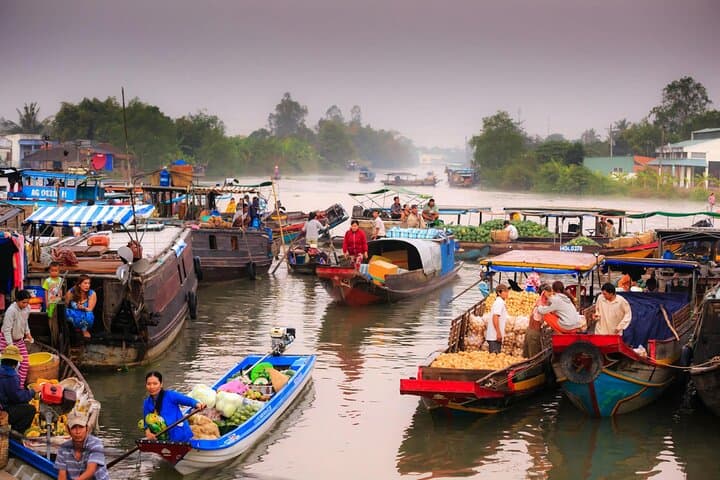
The bus eases out of Hanoi before dawn and the city’s noise peels away, replaced by karst towers rising like jagged islands from emerald paddies. By the second day you’re in Ninh Binh, moving slowly through Trang An’s caves by sampan where limestone walls close in and the river seems to push you forward into cool shadow. Higher still, Sapa’s terraces unfold in stepped ribbons; the Muong Hoa valley and the trails between Y Linh Ho, Lao Chai and Ta Van demand steady feet and reward wide, windy views of Hoang Lien Son ridges.
The bus eases out of Hanoi before dawn and the city’s noise peels away, replaced by karst towers rising like jagged islands from emerald paddies. By the second day you’re in Ninh Binh, moving slowly through Trang An’s caves by sampan where limestone walls close in and the river seems to push you forward into cool shadow. Higher still, Sapa’s terraces unfold in stepped ribbons; the Muong Hoa valley and the trails between Y Linh Ho, Lao Chai and Ta Van demand steady feet and reward wide, windy views of Hoang Lien Son ridges.
This itinerary threads Vietnam’s layered past into its landscapes: imperial Hue with its citadel and tombs; maritime Da Nang and the hairpin sweep of Hai Van Pass; Hoi An’s merchant houses and lantern-lit river; then the toughness of Cu Chi’s tunnels and the braided waterways of the Mekong Delta. Geology here is loud—limestone karsts, alluvial floodplains and granite hills—each shaping local livelihoods from rice terraces to coconut groves.
Expect varied terrain: riverboat passages, lowland cycling in Delta villages, and mountain tracks of 4–9 km per day with short elevation gains and some steep sections on stone or muddy trails. Cultural contact is central—homestays with Dzay and H’Mong families, market visits and hands-on craft demos.
Practical notes: pack a light rain shell, sturdy treaded shoes, and a small daypack; hydrate often in humid lowlands and layer for cool nights in Sapa. Travel windows: mornings are best for light and crowds; allow time for transfers and local pacing. With basic hiking fitness and respect for local customs, this route is an immersive, manageable way to see Vietnam’s contrasts.