THE ADVENTURE COLLECTIVE® · Independent discovery and booking for outdoor travel

An 11-day loop through Sri Lanka’s ancient cities, east-coast beaches, and misty hill country that includes entrance fees and an English-speaking chauffeur-guide. Expect cultural monuments, a scenic train from Kandy to Ella, and optional snorkeling or whale watching on the northeast coast.
An 11-day loop through Sri Lanka’s ancient cities, east-coast beaches, and misty hill country that includes entrance fees and an English-speaking chauffeur-guide. Expect cultural monuments, a scenic train from Kandy to Ella, and optional snorkeling or whale watching on the northeast coast.
Morning light strips the mist from rice paddies as your air-conditioned van slides out of Colombo and into a country that keeps its history in stone and its coastlines in blue. On day one you walk beneath ancient stupas and the Sri Maha Bodhi in Anuradhapura, where cracked sandstone and banyan roots argue over who keeps the memory of empire. Over eleven days the itinerary compresses Sri Lanka’s contrasts: ruined capitals and living temples, quiet northern beaches and the steep, tea-clipped slopes of the hill country.
Verified experiences and guided adventures in the surrounding area.
Operated by ZRI Adventures · Colombo, Western Province
Morning light strips the mist from rice paddies as your air-conditioned van slides out of Colombo and into a country that keeps its history in stone and its coastlines in blue. On day one you walk beneath ancient stupas and the Sri Maha Bodhi in Anuradhapura, where cracked sandstone and banyan roots argue over who keeps the memory of empire. Over eleven days the itinerary compresses Sri Lanka’s contrasts: ruined capitals and living temples, quiet northern beaches and the steep, tea-clipped slopes of the hill country.
The island’s layers are geological and human. Sigiriya rises as a hard volcanic plug, the rock citadel that kings transformed into a defensive palace with frescoed galleries and iron stairways that force a short, muscular ascent for big views. Polonnaruwa’s planned city shows medieval urban design; the carved stone Buddhas and reservoirs reveal irrigation skills that shaped centuries of agriculture. In the hill country the rail line from Kandy to Ella climbs through cloud forest and tea estates—engineers wound track along sheer slopes, creating one of the world’s most photographed train rides. On the northeast coast, Trincomalee and Jaffna show different histories: Dutch forts and Hindu temples that bear colonizers’ marks but retain local rhythms.
Local life keeps pace with the route: monks in saffron robes tending early morning rituals, fishermen hauling nets at low tide, tea pickers who chart their days by harvest cycles. Food feels like a research project—string hoppers for breakfast, spicy curries served on banana leaves, roadside stalls selling lamprais and fresh king coconut. Practicalities you’ll want addressed before you go: Sri Lanka’s ETA visa process should be completed before arrival; entrance fees for major sites are included in this tour; some optional activities—Pigeon Island snorkeling or whale watching—require an extra booking and can be added depending on season.
Expect varied activity each day: urban walking, short hikes up Sigiriya (steep iron stairs and roughly a few hundred meters of elevation gain to the summit), a scenic train day where you’ll stand at the carriage door for the best views, and beach time on shallow, swimmable sand. Pace yourself—hot, humid lowlands demand hydration; hill stations carry a cool, damp air that prefers a light jacket. Bring practical footwear, a rain layer, and a camera with spare batteries: the country trades in quick visual rewards.
This tour is for travelers who want cultural depth and comfortable logistics—an English-speaking chauffeur-guide, door-to-door pickup options across common hotels, and admission fees taken care of so you can focus on the route, not the paperwork. Over eleven days the island nudges you toward a rhythm: keep moving, look up, and leave space for a roadside snack and conversation with a local guide—those small detours are often the most memorable.
moderate.
11 days.
Moderate fitness: expect multiple days of walking, short hikes with stairs, and some long driving days.
Major archaeological sites and UNESCO attractions listed in the itinerary (Anuradhapura, Polonnaruwa, Sigiriya, Dambulla) have entry fees included in this tour.
Yes—most visitors require an ETA (electronic travel authorization) for Sri Lanka; apply online before travel to avoid delays.
The ascent uses metal stairways and requires short bursts of effort—plan for steep sections and several hundred meters of vertical gain to the summit.
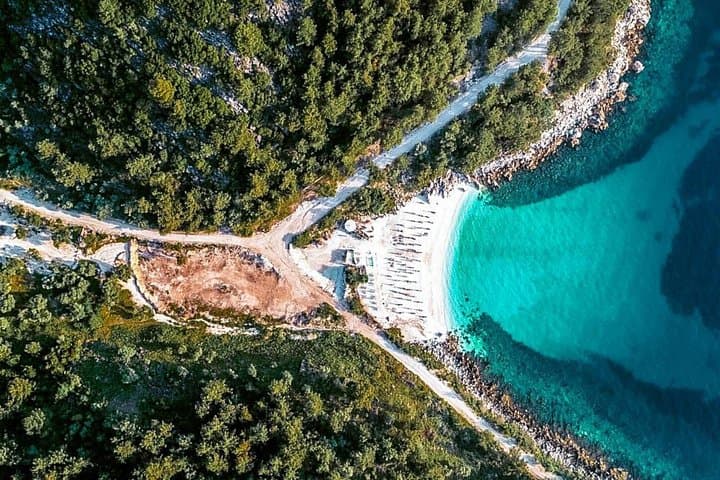
Trincomalee and Jaffna have safe, shallow beaches suitable for swimming, though conditions vary seasonally—your guide will advise the best spots each day.
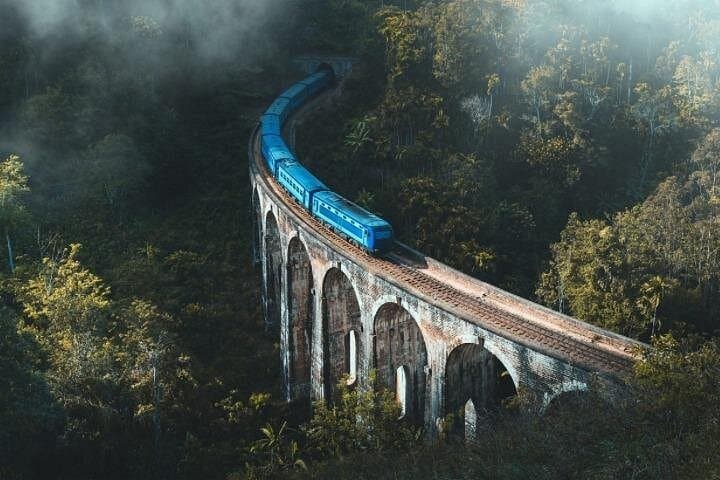
The scenic train ride is included in the route plan; seating may vary by class—bring a light jacket and expect long stretches standing for photos.
Snorkeling at Pigeon Island and whale-watching cruises in Trincomalee are seasonal and can be added; book early during high season (May–September for east coast).
Anuradhapura and Polonnaruwa were capitals of early Sinhalese kingdoms; their reservoirs and stupas reflect centuries of hydraulic engineering and Buddhist patronage.
Pigeon Island is a protected marine park—avoid touching coral and use reef-safe sunscreen; inland, elephant corridors are protected but visitation should minimize noise and disturbance.
ZRI Adventures operates guided outdoor trips and adventures with an emphasis on safety, stewardship, and memorable experiences.
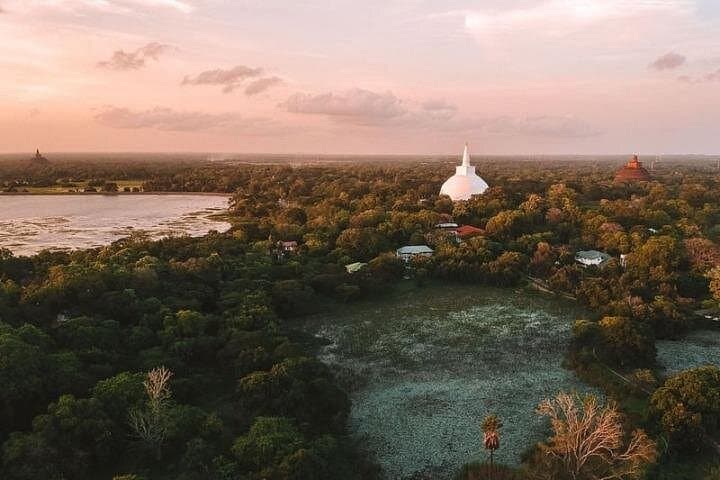
Morning light strips the mist from rice paddies as your air-conditioned van slides out of Colombo and into a country that keeps its history in stone and its coastlines in blue. On day one you walk beneath ancient stupas and the Sri Maha Bodhi in Anuradhapura, where cracked sandstone and banyan roots argue over who keeps the memory of empire. Over eleven days the itinerary compresses Sri Lanka’s contrasts: ruined capitals and living temples, quiet northern beaches and the steep, tea-clipped slopes of the hill country.
Morning light strips the mist from rice paddies as your air-conditioned van slides out of Colombo and into a country that keeps its history in stone and its coastlines in blue. On day one you walk beneath ancient stupas and the Sri Maha Bodhi in Anuradhapura, where cracked sandstone and banyan roots argue over who keeps the memory of empire. Over eleven days the itinerary compresses Sri Lanka’s contrasts: ruined capitals and living temples, quiet northern beaches and the steep, tea-clipped slopes of the hill country.
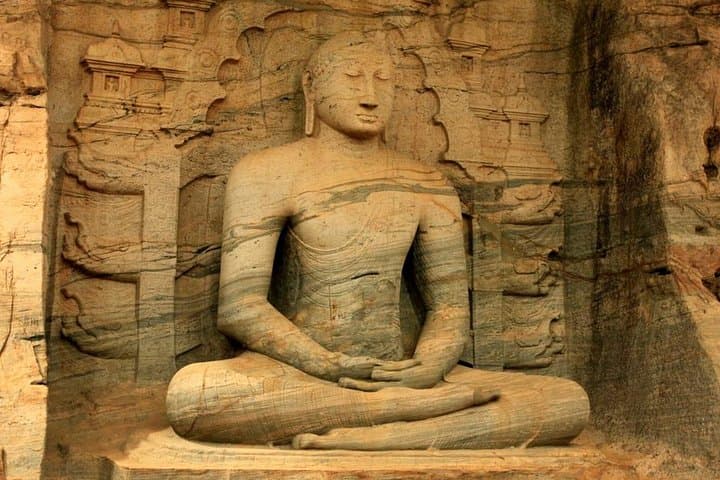
The island’s layers are geological and human. Sigiriya rises as a hard volcanic plug, the rock citadel that kings transformed into a defensive palace with frescoed galleries and iron stairways that force a short, muscular ascent for big views. Polonnaruwa’s planned city shows medieval urban design; the carved stone Buddhas and reservoirs reveal irrigation skills that shaped centuries of agriculture. In the hill country the rail line from Kandy to Ella climbs through cloud forest and tea estates—engineers wound track along sheer slopes, creating one of the world’s most photographed train rides. On the northeast coast, Trincomalee and Jaffna show different histories: Dutch forts and Hindu temples that bear colonizers’ marks but retain local rhythms.
Local life keeps pace with the route: monks in saffron robes tending early morning rituals, fishermen hauling nets at low tide, tea pickers who chart their days by harvest cycles. Food feels like a research project—string hoppers for breakfast, spicy curries served on banana leaves, roadside stalls selling lamprais and fresh king coconut. Practicalities you’ll want addressed before you go: Sri Lanka’s ETA visa process should be completed before arrival; entrance fees for major sites are included in this tour; some optional activities—Pigeon Island snorkeling or whale watching—require an extra booking and can be added depending on season.
Expect varied activity each day: urban walking, short hikes up Sigiriya (steep iron stairs and roughly a few hundred meters of elevation gain to the summit), a scenic train day where you’ll stand at the carriage door for the best views, and beach time on shallow, swimmable sand. Pace yourself—hot, humid lowlands demand hydration; hill stations carry a cool, damp air that prefers a light jacket. Bring practical footwear, a rain layer, and a camera with spare batteries: the country trades in quick visual rewards.
This tour is for travelers who want cultural depth and comfortable logistics—an English-speaking chauffeur-guide, door-to-door pickup options across common hotels, and admission fees taken care of so you can focus on the route, not the paperwork. Over eleven days the island nudges you toward a rhythm: keep moving, look up, and leave space for a roadside snack and conversation with a local guide—those small detours are often the most memorable.