THE ADVENTURE COLLECTIVE® · Independent discovery and booking for outdoor travel

Fly into Lukla and follow a classic high-altitude route through Sherpa villages and glacial moraines to Everest Base Camp. This private 11-day itinerary balances acclimatization with sustained trekking, offering sunrise views from Kala Patthar and cultural stops at Tengboche.
Fly into Lukla and follow a classic high-altitude route through Sherpa villages and glacial moraines to Everest Base Camp. This private 11-day itinerary balances acclimatization with sustained trekking, offering sunrise views from Kala Patthar and cultural stops at Tengboche.
Sunrise slices the Himalaya into silver and dust as the small plane eases into Lukla’s runway; the air smells of prayer flags and diesel, and your pack feels suddenly very real. From Lukla the trail drops to the Dudh Koshi, then climbs through rhododendron forests, suspension bridges, and Sherpa villages toward the high, glacial amphitheatre of Everest Base Camp. Each day rewrites the skyline: Ama Dablam’s knife-edge, the slab of Nuptse, Everest rising like a white wall.
Verified experiences and guided adventures in the surrounding area.
Operated by Worldwide Tourism Inc - Highly Recommended Travel Company · Lukla, Solukhumbu
Sunrise slices the Himalaya into silver and dust as the small plane eases into Lukla’s runway; the air smells of prayer flags and diesel, and your pack feels suddenly very real. From Lukla the trail drops to the Dudh Koshi, then climbs through rhododendron forests, suspension bridges, and Sherpa villages toward the high, glacial amphitheatre of Everest Base Camp. Each day rewrites the skyline: Ama Dablam’s knife-edge, the slab of Nuptse, Everest rising like a white wall.
This route threads communities within Sagarmatha National Park, an area shaped by uplifted rock and active glaciation. Sherpa culture and Tibetan Buddhist monasteries—notably Tengboche—are woven into the itinerary; prayer wheels and mani stones mark the path as surely as cairns. The geology is raw: moraines, icefalls and debris fields formed by the Khumbu Glacier remind trekkers that these mountains are alive.
Practically, expect long days (5–8 hours) on uneven, often rocky trails, with scheduled acclimatization days in Namche Bazaar and Dingboche. Lodging is in teahouses and guest houses; facilities are basic and heating limited. Weather can turn fast—clear mornings give way to wind and afternoon clouds.
Bring layered insulation, a sturdy pair of waterproof boots, and a high-quality down jacket for pre-dawn starts on Kala Patthar. Hydration and slow ascent are non-negotiable; altitude sickness is real. Your guide and a porter (up to 12 kg included) manage logistics, permits and route-finding, but personal responsibility—pace, rest, and calories—determines success. For trekkers prepared to move deliberately, the payoff is the close-up drama of Everest and a deep immersion in high-altitude mountain life.
challenging.
11 days.
Good aerobic fitness and the ability to hike 5–8 hours on consecutive days; prior multi-day hiking experience recommended.
No; the standard trek to Everest Base Camp is non-technical but requires good fitness and acclimatization. Technical climbing skills are not required for the base camp visit.
Altitude sickness is a real risk above 3,000 m; the itinerary includes acclimatization days and experienced guides monitor symptoms—if you feel unwell, inform your guide immediately.
Teahouses and guest houses provide basic lodgings, shared or single rooms, and simple Nepali-style meals; amenities like hot showers and charging are available in larger villages for a fee.
Flights are weather-dependent; mornings are the most reliable window, but delays and cancellations occur—build flexibility into plans and maintain contact with your operator.
The Khumbu region has been inhabited by Sherpa communities for centuries and was designated Sagarmatha National Park in 1976 to protect its unique alpine environment.
Visitors should minimize waste, use refillable bottles, and respect teahouse policies; the region faces pressure from increasing tourism and glacial melt.
Worldwide Tourism Inc - Highly Recommended Travel Company operates guided outdoor trips and adventures with an emphasis on safety, stewardship, and memorable experiences.
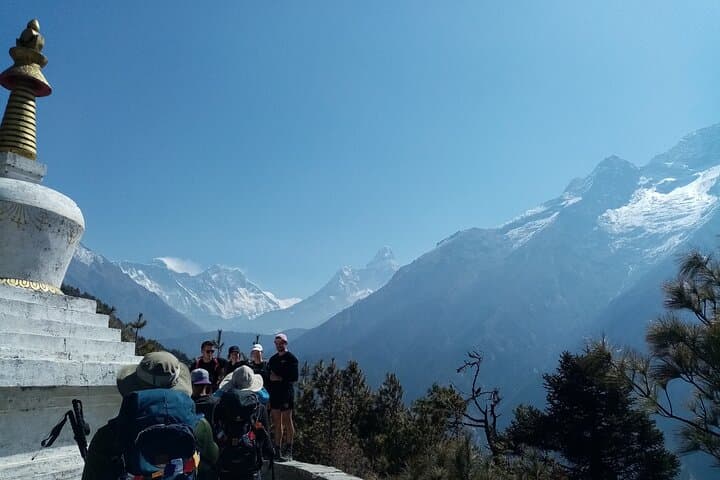
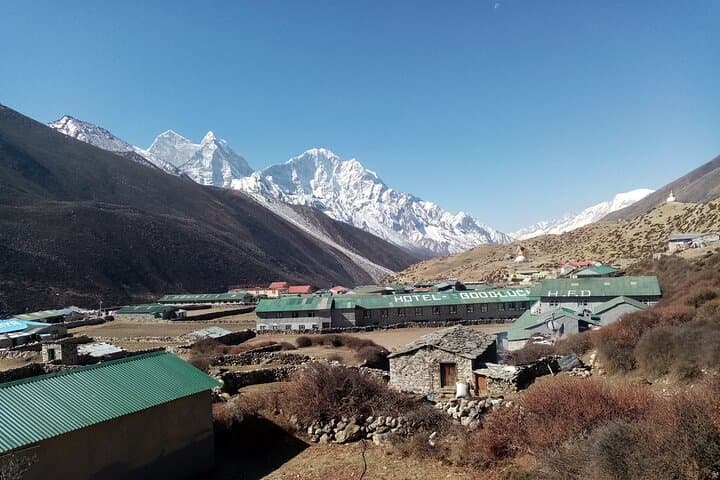
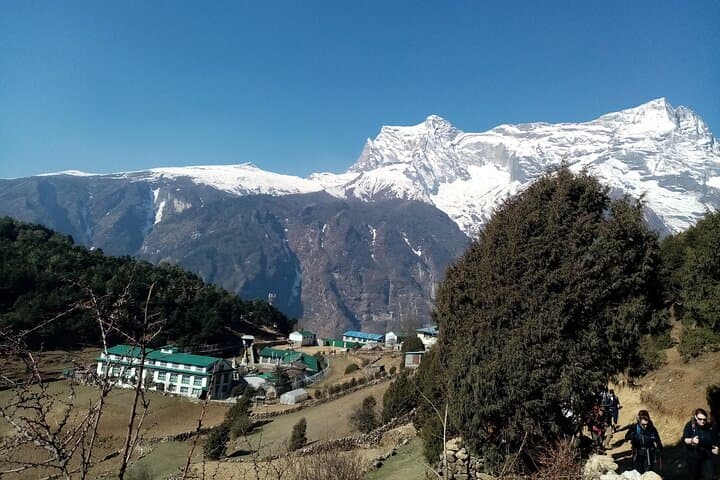
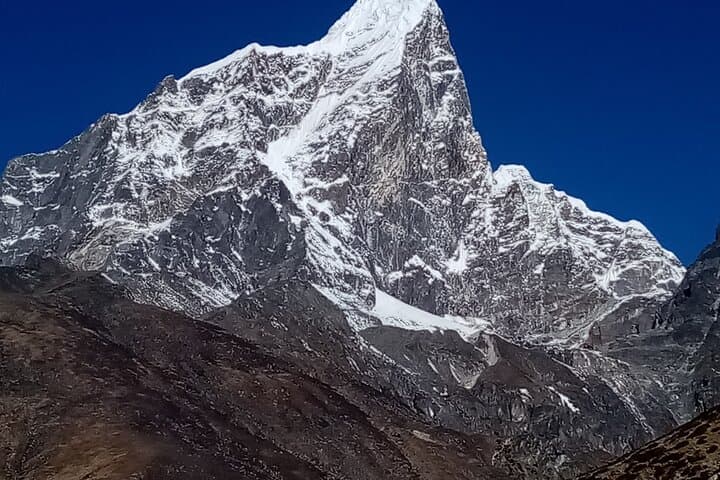
Sunrise slices the Himalaya into silver and dust as the small plane eases into Lukla’s runway; the air smells of prayer flags and diesel, and your pack feels suddenly very real. From Lukla the trail drops to the Dudh Koshi, then climbs through rhododendron forests, suspension bridges, and Sherpa villages toward the high, glacial amphitheatre of Everest Base Camp. Each day rewrites the skyline: Ama Dablam’s knife-edge, the slab of Nuptse, Everest rising like a white wall.
Sunrise slices the Himalaya into silver and dust as the small plane eases into Lukla’s runway; the air smells of prayer flags and diesel, and your pack feels suddenly very real. From Lukla the trail drops to the Dudh Koshi, then climbs through rhododendron forests, suspension bridges, and Sherpa villages toward the high, glacial amphitheatre of Everest Base Camp. Each day rewrites the skyline: Ama Dablam’s knife-edge, the slab of Nuptse, Everest rising like a white wall.
This route threads communities within Sagarmatha National Park, an area shaped by uplifted rock and active glaciation. Sherpa culture and Tibetan Buddhist monasteries—notably Tengboche—are woven into the itinerary; prayer wheels and mani stones mark the path as surely as cairns. The geology is raw: moraines, icefalls and debris fields formed by the Khumbu Glacier remind trekkers that these mountains are alive.
Practically, expect long days (5–8 hours) on uneven, often rocky trails, with scheduled acclimatization days in Namche Bazaar and Dingboche. Lodging is in teahouses and guest houses; facilities are basic and heating limited. Weather can turn fast—clear mornings give way to wind and afternoon clouds.
Bring layered insulation, a sturdy pair of waterproof boots, and a high-quality down jacket for pre-dawn starts on Kala Patthar. Hydration and slow ascent are non-negotiable; altitude sickness is real. Your guide and a porter (up to 12 kg included) manage logistics, permits and route-finding, but personal responsibility—pace, rest, and calories—determines success. For trekkers prepared to move deliberately, the payoff is the close-up drama of Everest and a deep immersion in high-altitude mountain life.