THE ADVENTURE COLLECTIVE® · Independent discovery and booking for outdoor travel

Trace 7,000 years of Egyptian history on this private 11‑day Egyptology tour. From Saqqara’s Step Pyramid to Luxor’s royal tombs and a deluxe Nile cruise, an Egyptologist leads an intimate, archaeology-focused route with optional excursions such as Abu Simbel.
Trace 7,000 years of Egyptian history on this private 11‑day Egyptology tour. From Saqqara’s Step Pyramid to Luxor’s royal tombs and a deluxe Nile cruise, an Egyptologist leads an intimate, archaeology-focused route with optional excursions such as Abu Simbel.
You step off the sleeper train into a dawn wrapped in sand and river mist, the Nile a slow silver ribbon cutting through palm shadows. Your Egyptologist meets you with maps of temples and a voice tuned to centuries; the day will move between stone-cut tombs, silent colossi and the low, constant thrum of the cruise engines as the river pulls you south.
Verified experiences and guided adventures in the surrounding area.
Operated by Explore plus Holidays · Cairo, Cairo Governorate
You step off the sleeper train into a dawn wrapped in sand and river mist, the Nile a slow silver ribbon cutting through palm shadows. Your Egyptologist meets you with maps of temples and a voice tuned to centuries; the day will move between stone-cut tombs, silent colossi and the low, constant thrum of the cruise engines as the river pulls you south.
This 11‑day itinerary threads the full sweep of ancient Egyptian civilization: Old Kingdom mastabaes and Djoser’s Step Pyramid at Saqqara, the Serapeum’s enigmatic granite boxes, the Bent and Red pyramids of Sneferu, the New Kingdom necropolises of Luxor’s Valley of the Kings, and Greco‑Roman layers in Kom Ombo and Philae. Geology and human ingenuity are close companions here — Nile silt made the floodplain arable, while locally quarried limestone and granite built monuments that resisted millennia.
Cultural notes: many sites are actively conserved and museums or local communities now steward crafts like papyrus and perfume making. Guides are typically Egyptologists who explain contexts outside restricted tomb interiors; for some excursions, like Abu Simbel, expect long drives or optional add‑ons.
Practical guidance: plan for long days with uneven steps and hot sun — early starts are common to avoid midday heat. Bring a hat, sun protection, and comfortable shoes with good grip for temple ramps and tomb stairways. Keep copies of travel documents, carry local cash for tips and small purchases, and allow flexible time on cruise legs for unforeseen schedule shifts. Hydrate often and respect site rules: don’t touch reliefs, photograph where allowed, and follow your guide’s directions.
moderate.
11 days.
Suitable for travelers who can handle multiple full days of walking, stairs and occasional uneven terrain; no specialized fitness required.
Admissions vary by operator; check your booking details—some major sites may be included while optional excursions (e.g., Abu Simbel) are often extra.
Local regulations frequently restrict guides from entering certain tomb interiors; they typically explain history outside and give you time inside as permitted.
Abu Simbel is commonly offered as an optional long‑day excursion from Aswan due to distance; confirm whether it’s included or an add‑on.
Sleeper trains generally offer single or double cabins with basic bunks and shared or ensuite facilities depending on class—bring earplugs and light layers.
The Nile Valley hosted continuous civilization for millennia; many Pharaonic monuments were relocated or conserved in the 20th century (notably Abu Simbel) to protect them from the Aswan High Dam.
Sites are vulnerable to erosion and tourism impacts—respect barriers, avoid touching reliefs, and support conservation-minded local businesses.
Explore plus Holidays operates guided outdoor trips and adventures with an emphasis on safety, stewardship, and memorable experiences.
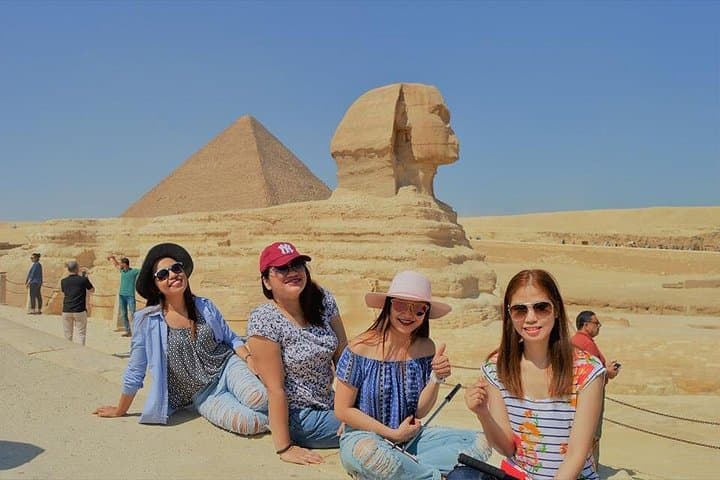
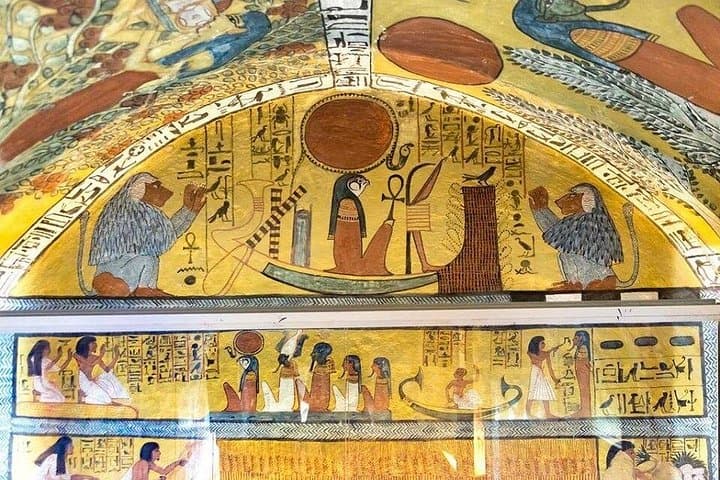
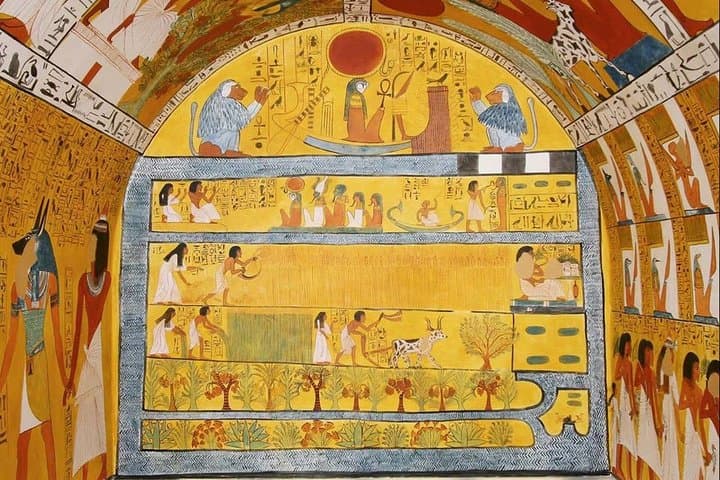
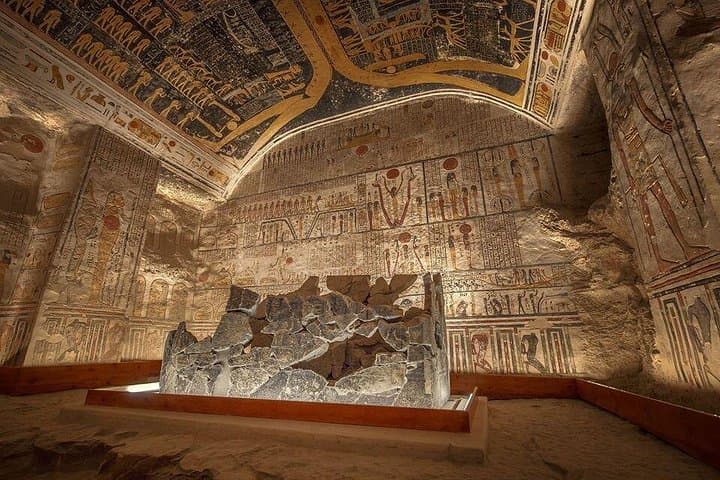
You step off the sleeper train into a dawn wrapped in sand and river mist, the Nile a slow silver ribbon cutting through palm shadows. Your Egyptologist meets you with maps of temples and a voice tuned to centuries; the day will move between stone-cut tombs, silent colossi and the low, constant thrum of the cruise engines as the river pulls you south.
You step off the sleeper train into a dawn wrapped in sand and river mist, the Nile a slow silver ribbon cutting through palm shadows. Your Egyptologist meets you with maps of temples and a voice tuned to centuries; the day will move between stone-cut tombs, silent colossi and the low, constant thrum of the cruise engines as the river pulls you south.
This 11‑day itinerary threads the full sweep of ancient Egyptian civilization: Old Kingdom mastabaes and Djoser’s Step Pyramid at Saqqara, the Serapeum’s enigmatic granite boxes, the Bent and Red pyramids of Sneferu, the New Kingdom necropolises of Luxor’s Valley of the Kings, and Greco‑Roman layers in Kom Ombo and Philae. Geology and human ingenuity are close companions here — Nile silt made the floodplain arable, while locally quarried limestone and granite built monuments that resisted millennia.
Cultural notes: many sites are actively conserved and museums or local communities now steward crafts like papyrus and perfume making. Guides are typically Egyptologists who explain contexts outside restricted tomb interiors; for some excursions, like Abu Simbel, expect long drives or optional add‑ons.
Practical guidance: plan for long days with uneven steps and hot sun — early starts are common to avoid midday heat. Bring a hat, sun protection, and comfortable shoes with good grip for temple ramps and tomb stairways. Keep copies of travel documents, carry local cash for tips and small purchases, and allow flexible time on cruise legs for unforeseen schedule shifts. Hydrate often and respect site rules: don’t touch reliefs, photograph where allowed, and follow your guide’s directions.