THE ADVENTURE COLLECTIVE® · Independent discovery and booking for outdoor travel

From Beijing’s imperial heart to the high streets of Lhasa, this 11-day private tour links China’s cultural icons with practical support for high-altitude travel. Expect guided sites, included permits and intercity flights.
From Beijing’s imperial heart to the high streets of Lhasa, this 11-day private tour links China’s cultural icons with practical support for high-altitude travel. Expect guided sites, included permits and intercity flights.
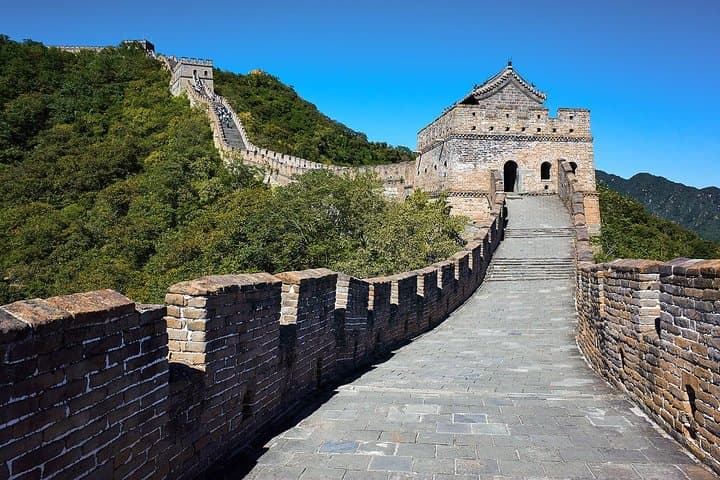
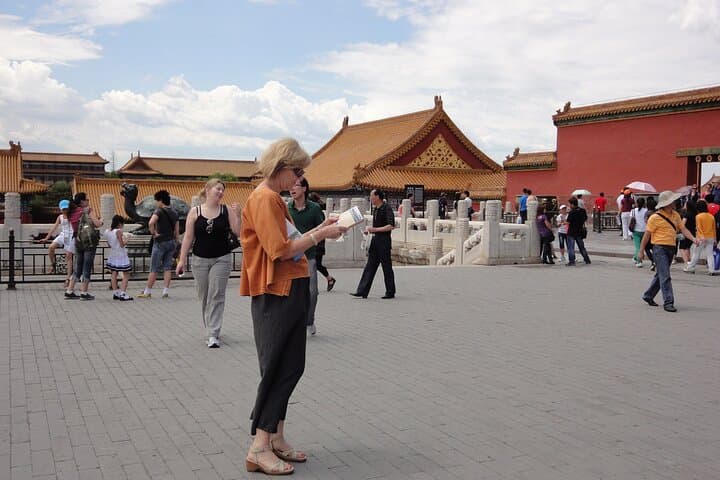
You step out of Beijing airport into a humid pulse of taxis and neon, then in eleven days trade the metropolis for high Tibetan air, imperial courts, ancient warriors and a river city skyline. The tour threads modern China with its imperial and spiritual landmarks: Tiananmen and the Forbidden City in Beijing, the cable-car rise above Mutianyu’s crenellated Great Wall, the high-dry streets and prayer flags of Lhasa, the ordered rows of the Terracotta Army near Xi’an and Shanghai’s Bund cruise along the Huangpu.
Verified experiences and guided adventures in the surrounding area.
Operated by Travel China Guide · Beijing, Beijing
You step out of Beijing airport into a humid pulse of taxis and neon, then in eleven days trade the metropolis for high Tibetan air, imperial courts, ancient warriors and a river city skyline. The tour threads modern China with its imperial and spiritual landmarks: Tiananmen and the Forbidden City in Beijing, the cable-car rise above Mutianyu’s crenellated Great Wall, the high-dry streets and prayer flags of Lhasa, the ordered rows of the Terracotta Army near Xi’an and Shanghai’s Bund cruise along the Huangpu.
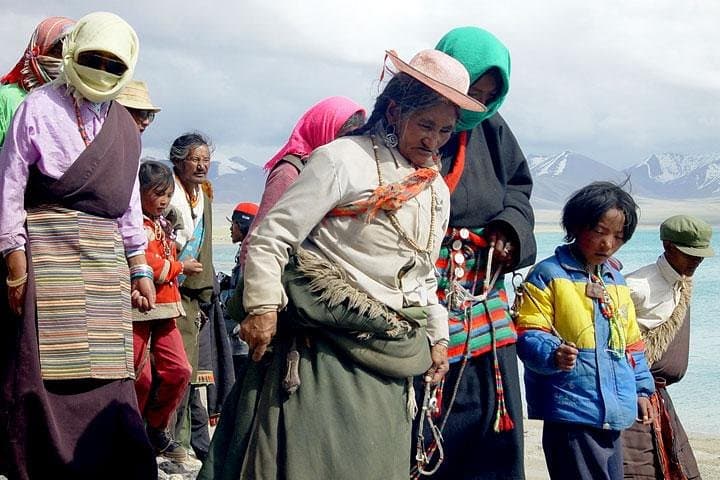
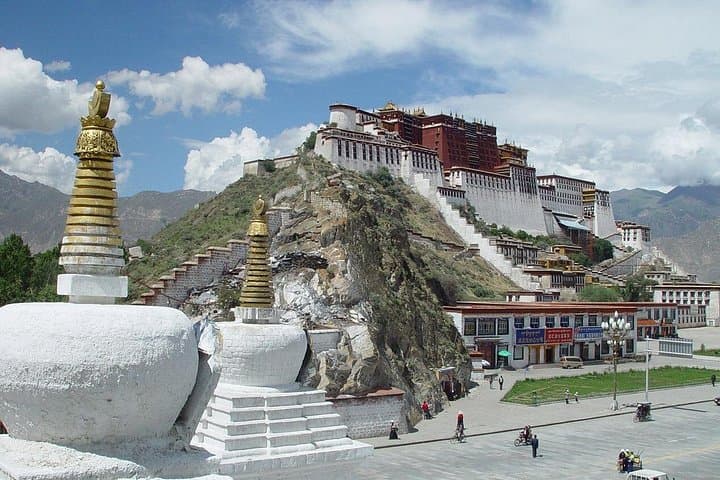
Geology and history arrive together — granite ramparts of the Great Wall climb eroded hills, the Tibetan Plateau lifts skyward to Lhasa at roughly 3,650 m (11,975 ft), and the Yellow River basin shaped the lowlands around Xi’an that supported early imperial capitals. You’ll encounter living culture: monks debating at Sera, pilgrims circling Jokhang Temple, and Hutong life in Beijing where rickshaws thread narrow alleys.
Practically, the itinerary packs guided entrances, intercity flights, hotels, and many admissions; the required Tibet Travel Permit is handled. Expect several short flights (Beijing–Lhasa–Xi’an–Shanghai), periods of walking on uneven stone, and an intentional rest day after arrival in Lhasa to acclimatize.
Bring layered clothing, sun protection and a reusable water bottle; plan slower pace in Lhasa, avoid heavy exertion the first 24–48 hours there, and keep passport/visa documents handy. The trip is both a cultural deep-dive and a logistical relay — rewarding for travelers who want curated access to China’s most iconic sites with support for high-altitude travel.
moderate.
11 days.
Moderate fitness: able to walk several hours over uneven surfaces and tolerate short flights and altitude changes; no technical training required.
Yes — the tour notes the Tibet Travel Permit is included among inclusions, and guides typically handle paperwork and permit presentation.
Yes — intercity one-way economy flights (Beijing–Lhasa–Xi’an–Shanghai) are part of the itinerary to cover long distances within the 11 days.
Expect daily walking at major sites: 1–4 hours at locations like the Forbidden City, Mutianyu Great Wall and the Terracotta Warriors; many involve steps and uneven surfaces.
All travelers need a current tourist visa for China and passport details at booking; additional documentation for Tibet is managed by the operator but a valid China visa is still required.
This route links multiple eras: imperial Beijing and Xi’an (ancient capitals), and Lhasa’s millennia-old Tibetan Buddhist institutions centered on Potala and Jokhang temples.
Travel in Tibet and historic sites is sensitive; stick to marked paths, respect monastic areas, and avoid single-use plastics where possible — many sites now encourage low-impact visitation.
Travel China Guide operates guided outdoor trips and adventures with an emphasis on safety, stewardship, and memorable experiences.
You step out of Beijing airport into a humid pulse of taxis and neon, then in eleven days trade the metropolis for high Tibetan air, imperial courts, ancient warriors and a river city skyline. The tour threads modern China with its imperial and spiritual landmarks: Tiananmen and the Forbidden City in Beijing, the cable-car rise above Mutianyu’s crenellated Great Wall, the high-dry streets and prayer flags of Lhasa, the ordered rows of the Terracotta Army near Xi’an and Shanghai’s Bund cruise along the Huangpu.
You step out of Beijing airport into a humid pulse of taxis and neon, then in eleven days trade the metropolis for high Tibetan air, imperial courts, ancient warriors and a river city skyline. The tour threads modern China with its imperial and spiritual landmarks: Tiananmen and the Forbidden City in Beijing, the cable-car rise above Mutianyu’s crenellated Great Wall, the high-dry streets and prayer flags of Lhasa, the ordered rows of the Terracotta Army near Xi’an and Shanghai’s Bund cruise along the Huangpu.
Geology and history arrive together — granite ramparts of the Great Wall climb eroded hills, the Tibetan Plateau lifts skyward to Lhasa at roughly 3,650 m (11,975 ft), and the Yellow River basin shaped the lowlands around Xi’an that supported early imperial capitals. You’ll encounter living culture: monks debating at Sera, pilgrims circling Jokhang Temple, and Hutong life in Beijing where rickshaws thread narrow alleys.
Practically, the itinerary packs guided entrances, intercity flights, hotels, and many admissions; the required Tibet Travel Permit is handled. Expect several short flights (Beijing–Lhasa–Xi’an–Shanghai), periods of walking on uneven stone, and an intentional rest day after arrival in Lhasa to acclimatize.
Bring layered clothing, sun protection and a reusable water bottle; plan slower pace in Lhasa, avoid heavy exertion the first 24–48 hours there, and keep passport/visa documents handy. The trip is both a cultural deep-dive and a logistical relay — rewarding for travelers who want curated access to China’s most iconic sites with support for high-altitude travel.