THE ADVENTURE COLLECTIVE® · Independent discovery and booking for outdoor travel

Over eleven days you cross from Busuanga’s wrecks to Coron’s jade lagoons and Palawan’s powdery beaches—by plane, ferry and local banca. This island-hopping route combines snorkeling, short hikes and cultural stops with practical logistics for first-time explorers.
Over eleven days you cross from Busuanga’s wrecks to Coron’s jade lagoons and Palawan’s powdery beaches—by plane, ferry and local banca. This island-hopping route combines snorkeling, short hikes and cultural stops with practical logistics for first-time explorers.
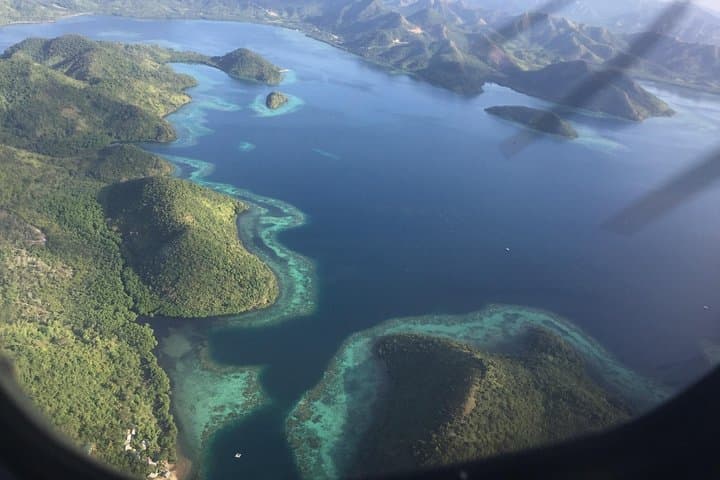
The first light hits the limestone towers like a signal: a hundred-foot wall of gray and green leaning out of turquoise, daring you to get closer. You step from a wooden banca onto a white-sand spit and the ocean sighs against your ankles—warm, clear enough to read the movement of a parrotfish as it grazes a living coral garden. This is Palawan and Coron across eleven days: a route of small planes, ferries and local boats that stitches together lagoons, wreck dives, waterfalls and scrappy beach towns.
Verified experiences and guided adventures in the surrounding area.
Operated by Pedro Pou · Puerto Princesa, Palawan
The first light hits the limestone towers like a signal: a hundred-foot wall of gray and green leaning out of turquoise, daring you to get closer. You step from a wooden banca onto a white-sand spit and the ocean sighs against your ankles—warm, clear enough to read the movement of a parrotfish as it grazes a living coral garden. This is Palawan and Coron across eleven days: a route of small planes, ferries and local boats that stitches together lagoons, wreck dives, waterfalls and scrappy beach towns.
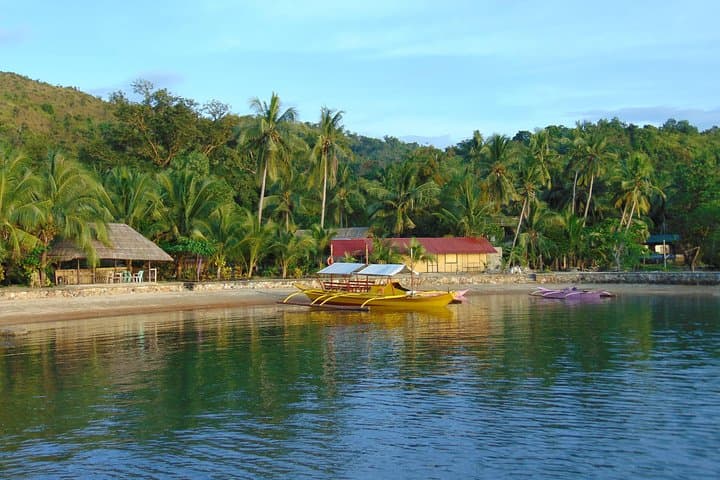
Geology here does the heavy lifting. The archipelago is a remnant of an ancient carbonate platform folded and breached by the sea; karst towers and hidden lagoons are the fingerprints of that history. Busuanga and Coron are also recent chapters in the 20th century. Scattered wrecks—steel skeletons from WWII—lie in shallow coves providing both a haunting dive site and a productive reef. The cultural thread is equally vivid: the Tagbanua and Cuyonon communities who fish these waters and tend coconut groves have shaped local rhythms, and many guesthouses are family-run, offering grilled fish and coconut stews after a day on the water.
Expect to move deliberately. The tour blends active days—Kayangan Lake and Twin Lagoons with short hikes and viewpoint climbs, island-hopping by banca with snorkel stops—with lighter days in El Nido and Port Barton for beach walks and a waterfall trek. A ferry links Coron to El Nido in roughly three hours; domestic flights connect Manila, Busuanga (Coron) and Puerto Princesa. Boat rides can be bumpy when the monsoon leans in; mornings tend to be the calmest windows for clear snorkeling.
Practicalities matter as much as the scenery. Bring reef-safe sunscreen and a well-fitting snorkel mask; reefs here are fragile and clarity depends on avoiding sand churn. Pack light, quick-dry layers and a water shoe for rocky shore entries and the occasional coral-strewn beach. Hydration is non-negotiable—tropical heat plus activity will sap you fast—so carry a refillable bottle and electrolytes. Finally, respect entry fees and local guides: park levies help finance conservation of places like Kayangan and the Underground River, and local skippers know the quiet coves where turtles still come to graze.
By the last morning in Puerto Princesa, you’ll understand why travelers keep coming back: the islands aren’t polished postcards so much as places that insist on a pace—slow boats, quick swims, long sunsets—and reward anyone willing to follow.
moderate.
11 days.
Good general fitness for short hikes, repeated boat transfers and snorkeling; ability to climb steep steps and wade through shallow water recommended.
No—basic swimming ability and comfort in shallow open water for snorkeling are usually sufficient; guides monitor everyone and provide flotation as needed.
Yes—domestic flights between Manila/Clark to Coron and Puerto Princesa to Manila/Clark are included per the itinerary details.
Families with children can participate, though infants must sit on laps during some transfers and certain activities may be limited by age for safety.
Philippine pesos; ATMs are available in major towns but carry cash for small vendors, park fees and island purchases.
Operators typically follow local park rules and collect entrance fees that support conservation—use reef-safe products and avoid touching coral to minimize impact.
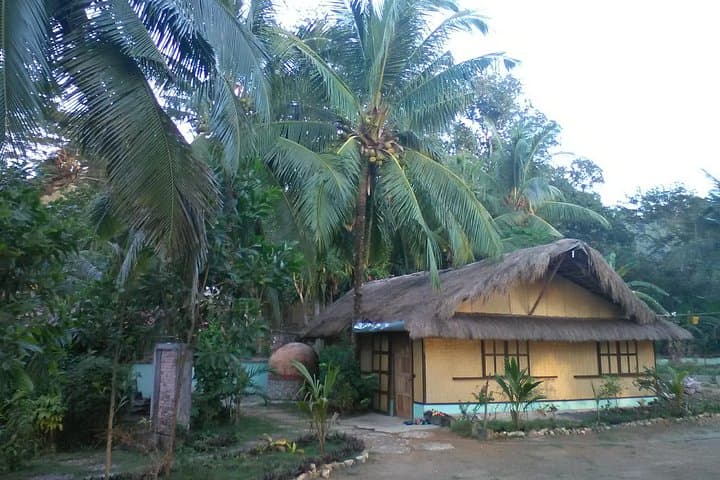
Light clothing, insect repellent, toiletries, chargers and a small first-aid kit; many stays are in simple bungalows with basic amenities.
The islands contain WWII shipwrecks that now host reefs; local Tagbanua communities have lived in the region for centuries and steward key sites.
Several sites have park fees and protected zones—obey no-anchoring areas, use reef-safe sunscreen, and support local guides who enforce sustainable practices.
Pedro Pou operates guided outdoor trips and adventures with an emphasis on safety, stewardship, and memorable experiences.
The first light hits the limestone towers like a signal: a hundred-foot wall of gray and green leaning out of turquoise, daring you to get closer. You step from a wooden banca onto a white-sand spit and the ocean sighs against your ankles—warm, clear enough to read the movement of a parrotfish as it grazes a living coral garden. This is Palawan and Coron across eleven days: a route of small planes, ferries and local boats that stitches together lagoons, wreck dives, waterfalls and scrappy beach towns.
The first light hits the limestone towers like a signal: a hundred-foot wall of gray and green leaning out of turquoise, daring you to get closer. You step from a wooden banca onto a white-sand spit and the ocean sighs against your ankles—warm, clear enough to read the movement of a parrotfish as it grazes a living coral garden. This is Palawan and Coron across eleven days: a route of small planes, ferries and local boats that stitches together lagoons, wreck dives, waterfalls and scrappy beach towns.
Geology here does the heavy lifting. The archipelago is a remnant of an ancient carbonate platform folded and breached by the sea; karst towers and hidden lagoons are the fingerprints of that history. Busuanga and Coron are also recent chapters in the 20th century. Scattered wrecks—steel skeletons from WWII—lie in shallow coves providing both a haunting dive site and a productive reef. The cultural thread is equally vivid: the Tagbanua and Cuyonon communities who fish these waters and tend coconut groves have shaped local rhythms, and many guesthouses are family-run, offering grilled fish and coconut stews after a day on the water.
Expect to move deliberately. The tour blends active days—Kayangan Lake and Twin Lagoons with short hikes and viewpoint climbs, island-hopping by banca with snorkel stops—with lighter days in El Nido and Port Barton for beach walks and a waterfall trek. A ferry links Coron to El Nido in roughly three hours; domestic flights connect Manila, Busuanga (Coron) and Puerto Princesa. Boat rides can be bumpy when the monsoon leans in; mornings tend to be the calmest windows for clear snorkeling.
Practicalities matter as much as the scenery. Bring reef-safe sunscreen and a well-fitting snorkel mask; reefs here are fragile and clarity depends on avoiding sand churn. Pack light, quick-dry layers and a water shoe for rocky shore entries and the occasional coral-strewn beach. Hydration is non-negotiable—tropical heat plus activity will sap you fast—so carry a refillable bottle and electrolytes. Finally, respect entry fees and local guides: park levies help finance conservation of places like Kayangan and the Underground River, and local skippers know the quiet coves where turtles still come to graze.
By the last morning in Puerto Princesa, you’ll understand why travelers keep coming back: the islands aren’t polished postcards so much as places that insist on a pace—slow boats, quick swims, long sunsets—and reward anyone willing to follow.