THE ADVENTURE COLLECTIVE® · Independent discovery and booking for outdoor travel

A gentle, culture-rich trek from Pokhara that pairs short daily walks with homestays in Gurung and Magar villages. Expect panoramic Annapurna views, terraced farmland, and an easy daily rhythm ideal for families and first-time trekkers.
A gentle, culture-rich trek from Pokhara that pairs short daily walks with homestays in Gurung and Magar villages. Expect panoramic Annapurna views, terraced farmland, and an easy daily rhythm ideal for families and first-time trekkers.
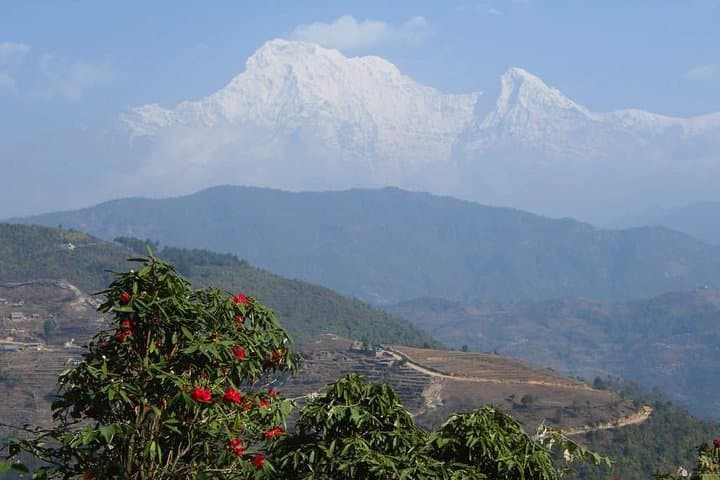
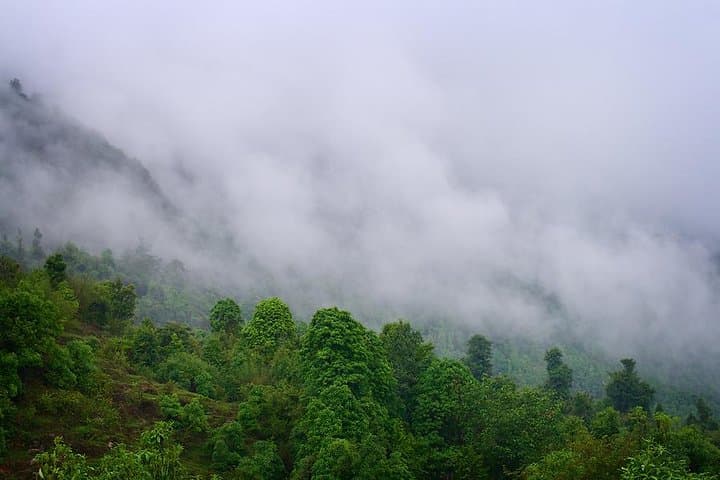
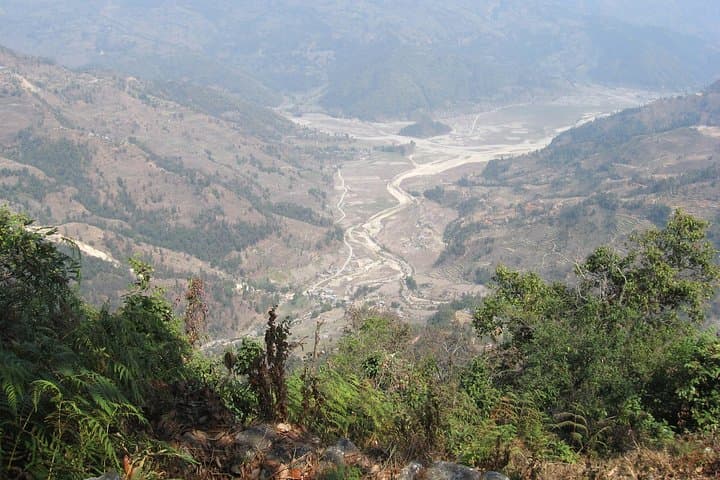
Morning mist peels away from rhododendron stands as you step out of a stone homestay, point your boots uphill toward Panchase. The ridge opens in stages: terraced fields, village lanes, shaded oak and pine, then broad panoramas that catch Annapurna, Machapuchare and Lamjung peaks in one sweep. The trail is patient—most days run three to four hours—so the rhythm is measured.
Verified experiences and guided adventures in the surrounding area.
Operated by Osho world Adventure · Pokhara, Gandaki Province
Morning mist peels away from rhododendron stands as you step out of a stone homestay, point your boots uphill toward Panchase. The ridge opens in stages: terraced fields, village lanes, shaded oak and pine, then broad panoramas that catch Annapurna, Machapuchare and Lamjung peaks in one sweep. The trail is patient—most days run three to four hours—so the rhythm is measured.
Panchase has long been a cultural threshold between Pokhara valley and hill farming communities; its ridges are geologically young, uplifted from the Lesser Himalaya and carved by monsoon flows into gently rolling summits. Local Gurung and Magar families keep terrace agriculture and homestay traditions alive; evenings here often include shared dal, freshly cooked millet and Nepali song learned between hosts and guests.
Expect unpaved tracks, stone stair sections, mud after rain, and viewpoints that demand short scrambles for the best angles. Nights are homestay-simple: basic beds, hot tea, and storytelling under a low, smoky roof. Altitude stays moderate—no technical climbing—so the trip suits moderate fitness, families and first-time trekkers who want culture as much as scenery.
Practical tips: pack a waterproof shell, sturdy boots, and a light down for cool mornings. Start hikes early for clear mountain views and avoid afternoon monsoon showers. Bring small notes of appreciation or modest gifts for hosts. Respect water sources and carry out waste; many villages depend on local springs. With patient steps and open curiosity, Panchase returns mountain views, human warmth and a slow, memorable pace.
moderate.
11 days.
Reasonable cardio and comfortable walking on uneven trails for 3–4 hours per day; suitable for active beginners and families.
No special trekking permits are required beyond local TIMS and any standard permits arranged by your operator—confirm with your provider before departure.
Homestays are basic but clean: shared bathrooms in many villages, hot meals prepared locally, and simple beds—expect cultural hospitality over luxury.
Panchase stays at moderate elevations (typically under 2,500 m) so altitude risk is low; still, acclimatize, hydrate and report symptoms to your guide promptly.
Spring (March–May) and fall (September–November) offer the clearest mountain views and stable weather; monsoon months can be muddy and winter can bring chill at night.
Panchase ridge has been a grazing and cultural boundary for Gurung and Magar communities for generations and was historically used as a strategic viewpoint overlooking Pokhara valley.
Trails and village springs are sensitive to erosion and pollution—practice pack-in, pack-out, use refillable bottles, and support local homestays to keep tourism sustainable.
Osho world Adventure operates guided outdoor trips and adventures with an emphasis on safety, stewardship, and memorable experiences.
Morning mist peels away from rhododendron stands as you step out of a stone homestay, point your boots uphill toward Panchase. The ridge opens in stages: terraced fields, village lanes, shaded oak and pine, then broad panoramas that catch Annapurna, Machapuchare and Lamjung peaks in one sweep. The trail is patient—most days run three to four hours—so the rhythm is measured.
Morning mist peels away from rhododendron stands as you step out of a stone homestay, point your boots uphill toward Panchase. The ridge opens in stages: terraced fields, village lanes, shaded oak and pine, then broad panoramas that catch Annapurna, Machapuchare and Lamjung peaks in one sweep. The trail is patient—most days run three to four hours—so the rhythm is measured.
Panchase has long been a cultural threshold between Pokhara valley and hill farming communities; its ridges are geologically young, uplifted from the Lesser Himalaya and carved by monsoon flows into gently rolling summits. Local Gurung and Magar families keep terrace agriculture and homestay traditions alive; evenings here often include shared dal, freshly cooked millet and Nepali song learned between hosts and guests.
Expect unpaved tracks, stone stair sections, mud after rain, and viewpoints that demand short scrambles for the best angles. Nights are homestay-simple: basic beds, hot tea, and storytelling under a low, smoky roof. Altitude stays moderate—no technical climbing—so the trip suits moderate fitness, families and first-time trekkers who want culture as much as scenery.
Practical tips: pack a waterproof shell, sturdy boots, and a light down for cool mornings. Start hikes early for clear mountain views and avoid afternoon monsoon showers. Bring small notes of appreciation or modest gifts for hosts. Respect water sources and carry out waste; many villages depend on local springs. With patient steps and open curiosity, Panchase returns mountain views, human warmth and a slow, memorable pace.