THE ADVENTURE COLLECTIVE® · Independent discovery and booking for outdoor travel

An 11-day circuit from Casablanca across Morocco’s imperial cities, the High Atlas and Erg Chebbi dunes. Expect medina exploration, Roman ruins, desert camels and a night in a nomad-style bivouac.
An 11-day circuit from Casablanca across Morocco’s imperial cities, the High Atlas and Erg Chebbi dunes. Expect medina exploration, Roman ruins, desert camels and a night in a nomad-style bivouac.
You arrive in Casablanca as the Atlantic light sharpens the minarets and the city exhales into the morning. On this 11-day loop you move from coastal boulevards into medina alleys, climb the High Atlas over Tizi n’Tichka and finally stand on a dune crest as the Sahara shifts color at sunset.
Verified experiences and guided adventures in the surrounding area.
Operated by Gboo Morocco Tours · Casablanca, Casablanca-Settat
You arrive in Casablanca as the Atlantic light sharpens the minarets and the city exhales into the morning. On this 11-day loop you move from coastal boulevards into medina alleys, climb the High Atlas over Tizi n’Tichka and finally stand on a dune crest as the Sahara shifts color at sunset.
The route threads Morocco’s layered history: Roman mosaics at Volubilis, the Alaouite palaces of Meknes, the medieval medina of Fes, and the fortified ksar of Aït Ben Haddou, a cinematic stronghold on the ancient trans-Saharan route. Geology is on display too — the Atlas range is the result of African-Eurasian collision, while Erg Chebbi’s dunes are wind-sculpted deposits that can rise more than 150 meters.
Culture moves at market pace: craftsmen dye leather in Fes, Gnawa musicians keep time in southern villages, and women’s cooperatives press argan oil between Essaouira and Marrakech. Expect riads and small hotels for most nights, and a luxury desert camp for the bivouac under the stars.
Practical edge: plan for long drives (several full travel days), pack layers for hot days and cool nights, carry cash for souks, and bring a small daypack for medina walks and short hikes. On the dunes, camel treks are typically gentle but bring sunscreen, sunglasses, and a sturdy pair of shoes for rocky stops. Traveling with a local guide or driver keeps navigation efficient and helps you access off-grid viewpoints and authentic stops along the way.
moderate.
11 days.
Moderate fitness for full days of walking in medinas, short hikes and handling long vehicle transfers.
Many nationalities can enter Morocco visa-free for short stays; check current government requirements for your passport before travel.
Expect several multi-hour drives; some days include 4–6 hour road transfers (e.g., Fes to Merzouga), so plan for rest stops and motion comfort.
Camel treks here are short and led by experienced handlers; they require no prior skill but ask for a low-impact mounting technique if you have mobility issues.
Camps range from basic nomad-style tents to luxury bivouacs; this itinerary includes a luxury desert camp with mattresses, blankets and dinner provided.
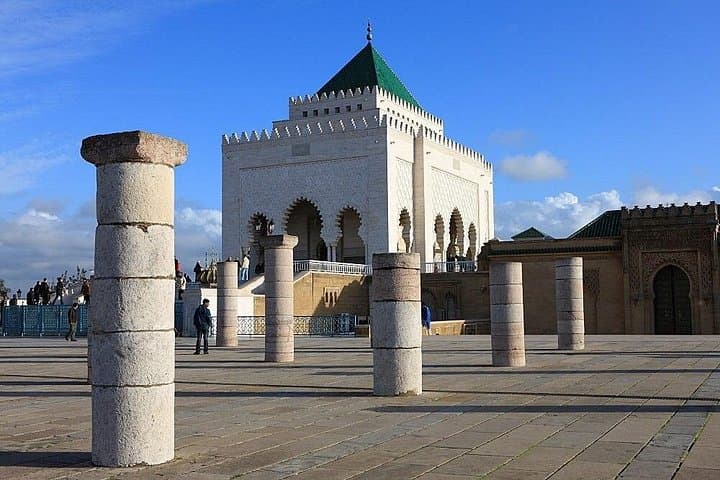
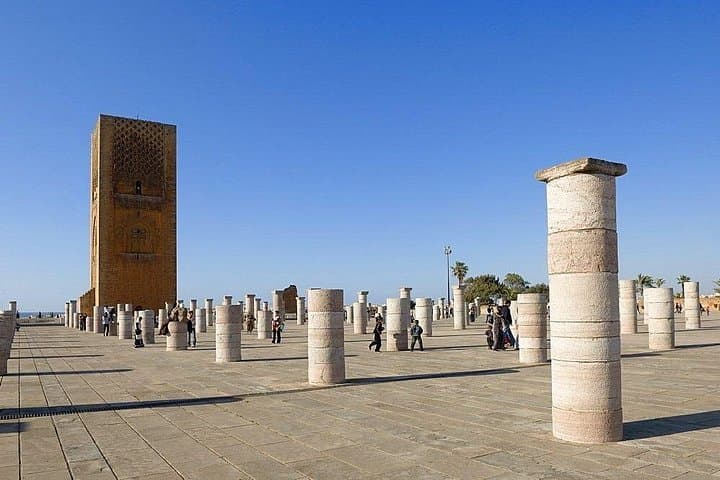
The itinerary links Morocco’s imperial capitals—Rabat, Meknes, Fes and Marrakech—centers of political power for centuries; Volubilis preserves Roman-era mosaics that predate many Islamic monuments in the country.
Dune systems and oasis habitats are fragile—stick to marked routes in dunes, minimize water use, and support local cooperatives to keep tourism benefits in-community.
Gboo Morocco Tours operates guided outdoor trips and adventures with an emphasis on safety, stewardship, and memorable experiences.
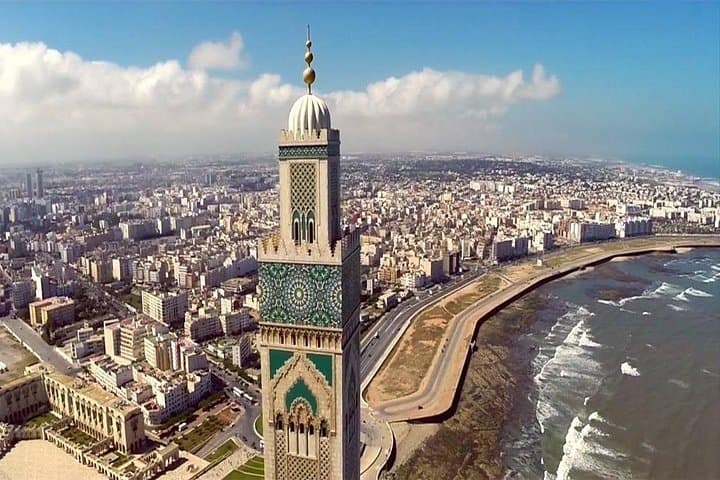
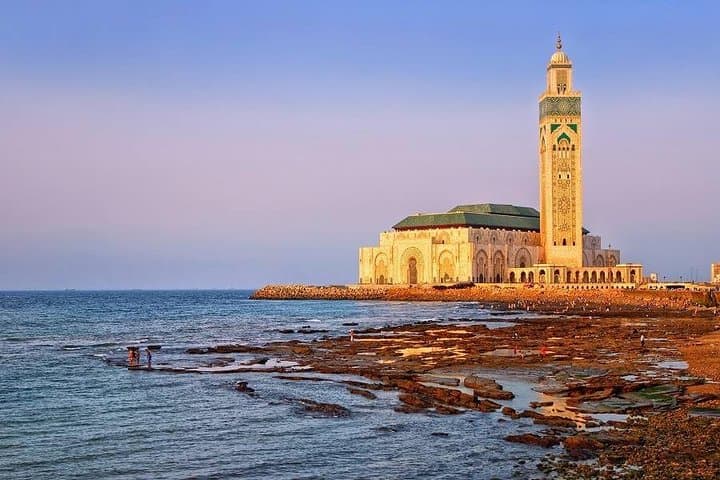
You arrive in Casablanca as the Atlantic light sharpens the minarets and the city exhales into the morning. On this 11-day loop you move from coastal boulevards into medina alleys, climb the High Atlas over Tizi n’Tichka and finally stand on a dune crest as the Sahara shifts color at sunset.
You arrive in Casablanca as the Atlantic light sharpens the minarets and the city exhales into the morning. On this 11-day loop you move from coastal boulevards into medina alleys, climb the High Atlas over Tizi n’Tichka and finally stand on a dune crest as the Sahara shifts color at sunset.
The route threads Morocco’s layered history: Roman mosaics at Volubilis, the Alaouite palaces of Meknes, the medieval medina of Fes, and the fortified ksar of Aït Ben Haddou, a cinematic stronghold on the ancient trans-Saharan route. Geology is on display too — the Atlas range is the result of African-Eurasian collision, while Erg Chebbi’s dunes are wind-sculpted deposits that can rise more than 150 meters.
Culture moves at market pace: craftsmen dye leather in Fes, Gnawa musicians keep time in southern villages, and women’s cooperatives press argan oil between Essaouira and Marrakech. Expect riads and small hotels for most nights, and a luxury desert camp for the bivouac under the stars.
Practical edge: plan for long drives (several full travel days), pack layers for hot days and cool nights, carry cash for souks, and bring a small daypack for medina walks and short hikes. On the dunes, camel treks are typically gentle but bring sunscreen, sunglasses, and a sturdy pair of shoes for rocky stops. Traveling with a local guide or driver keeps navigation efficient and helps you access off-grid viewpoints and authentic stops along the way.