THE ADVENTURE COLLECTIVE® · Independent discovery and booking for outdoor travel

Travel from Marrakech across the Atlas, palm oases and coastal deserts to Dakhla on an 11-day overland odyssey. Expect riads, dune camps, camel rides and Atlantic coast time, with plenty of cultural and geological variety.
Travel from Marrakech across the Atlas, palm oases and coastal deserts to Dakhla on an 11-day overland odyssey. Expect riads, dune camps, camel rides and Atlantic coast time, with plenty of cultural and geological variety.
You step out of a Marrakech riad before dawn, the city’s ochre walls cooling from the day’s heat while the Atlas ridgeline still holds last light. The convoy eases onto roads that fold through Berber villages, then widens into palm-lined valleys and finally into the tough, wind-sculpted expanses where sand takes over. Nights alternate between riads, coastal hotels and desert camps under a sky that seems to press down with more stars than you thought possible.
Verified experiences and guided adventures in the surrounding area.
Operated by Sunny Morocco · Marrakech, Marrakesh-Safi
You step out of a Marrakech riad before dawn, the city’s ochre walls cooling from the day’s heat while the Atlas ridgeline still holds last light. The convoy eases onto roads that fold through Berber villages, then widens into palm-lined valleys and finally into the tough, wind-sculpted expanses where sand takes over. Nights alternate between riads, coastal hotels and desert camps under a sky that seems to press down with more stars than you thought possible.
This route threads centuries of trade and culture: caravan routes across the Draa valley, fortified ksars like Ait Ben Haddou that guarded film crews and caravans alike, and Saharawi communities whose histories bridge Morocco and Western Sahara. Geologically, you move from Tell Atlas lithologies to coastal dunes and the vast, wind-bleached flats around Laayoune and Dakhla—an evolution visible in the change of color and grain underfoot.
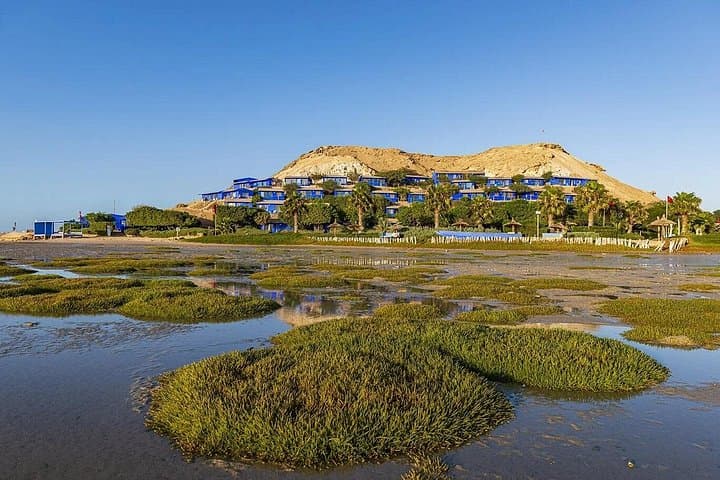
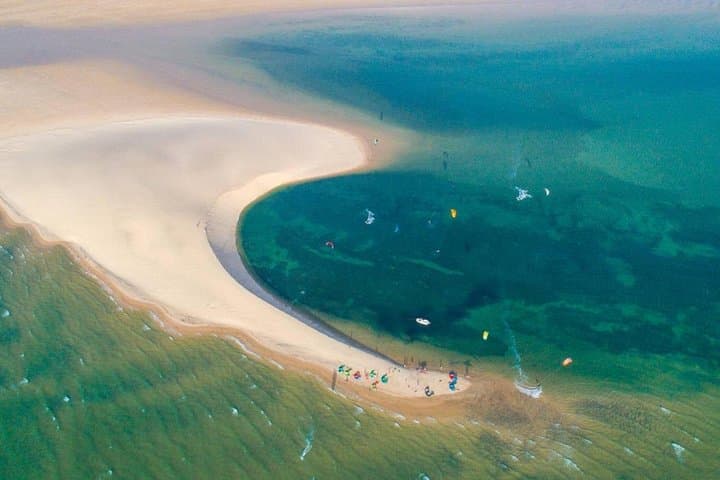
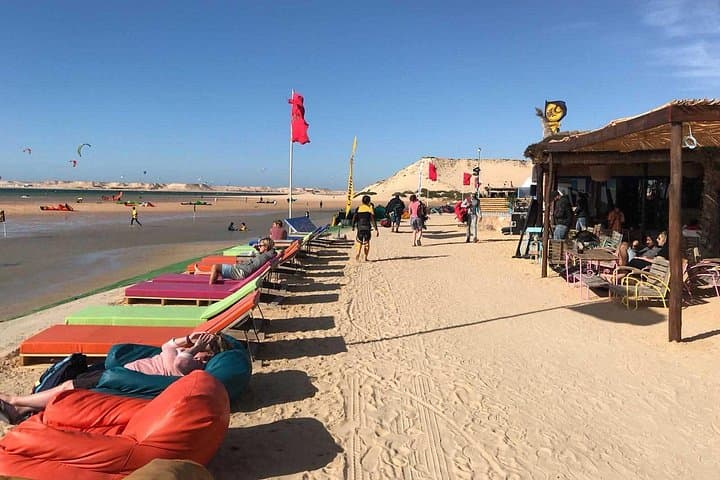
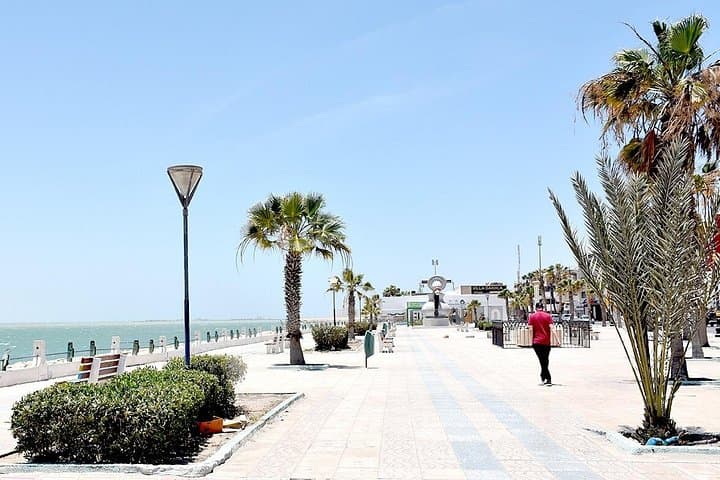
Expect a mix of vehicle travel, short walks, camel rides to dune crests, and time on Atlantic beaches near Dakhla. Meals combine Marrakech spice blends, tagines in small towns, and simple camp fare in the dunes. Cultural touchpoints include souks, kasbahs, Koranic libraries, and meeting nomad shepherds where hospitality is direct and unceremonious.
Practical guidance: pack layered clothing for hot days and cool desert nights, bring a reusable water bottle and high-SPF sun protection, and choose closed-toe shoes with good tread for dunes and gravel tracks. Plan for long drives—motion comfort and earplugs help—and verify wheelchair or mobility needs with the operator since many stops are vehicle-accessible but surfaces can be uneven.
easy.
9–11 days.
Suitable for travelers comfortable with multiple long vehicle days, short hikes, and basic camel rides; no sustained fitness required.
The itinerary is designed as accessible overland travel with short walks and camel rides; it’s not technically demanding but involves long vehicle days.
Nights alternate between riads/hotels and basic desert camps—expect clean, local-style accommodations with varying amenities.
The operator lists wheelchair accessibility and stroller access for many parts, but some desert stops have uneven surfaces—confirm specific needs before booking.
A soft duffel is preferred for easy storage in 4x4s; limit to essentials for camel transfers and camp nights.
The route follows old trans-Saharan caravan corridors and coastal trading posts; Ait Ben Haddou and ksars marked local power and trade across centuries.
Travel touches fragile dune and coastal ecosystems—stick to marked tracks, minimize single-use plastics, and respect local grazing patterns to reduce impact.
Sunny Morocco operates guided outdoor trips and adventures with an emphasis on safety, stewardship, and memorable experiences.
You step out of a Marrakech riad before dawn, the city’s ochre walls cooling from the day’s heat while the Atlas ridgeline still holds last light. The convoy eases onto roads that fold through Berber villages, then widens into palm-lined valleys and finally into the tough, wind-sculpted expanses where sand takes over. Nights alternate between riads, coastal hotels and desert camps under a sky that seems to press down with more stars than you thought possible.
You step out of a Marrakech riad before dawn, the city’s ochre walls cooling from the day’s heat while the Atlas ridgeline still holds last light. The convoy eases onto roads that fold through Berber villages, then widens into palm-lined valleys and finally into the tough, wind-sculpted expanses where sand takes over. Nights alternate between riads, coastal hotels and desert camps under a sky that seems to press down with more stars than you thought possible.
This route threads centuries of trade and culture: caravan routes across the Draa valley, fortified ksars like Ait Ben Haddou that guarded film crews and caravans alike, and Saharawi communities whose histories bridge Morocco and Western Sahara. Geologically, you move from Tell Atlas lithologies to coastal dunes and the vast, wind-bleached flats around Laayoune and Dakhla—an evolution visible in the change of color and grain underfoot.
Expect a mix of vehicle travel, short walks, camel rides to dune crests, and time on Atlantic beaches near Dakhla. Meals combine Marrakech spice blends, tagines in small towns, and simple camp fare in the dunes. Cultural touchpoints include souks, kasbahs, Koranic libraries, and meeting nomad shepherds where hospitality is direct and unceremonious.
Practical guidance: pack layered clothing for hot days and cool desert nights, bring a reusable water bottle and high-SPF sun protection, and choose closed-toe shoes with good tread for dunes and gravel tracks. Plan for long drives—motion comfort and earplugs help—and verify wheelchair or mobility needs with the operator since many stops are vehicle-accessible but surfaces can be uneven.