THE ADVENTURE COLLECTIVE® · Independent discovery and booking for outdoor travel

An 11-day circuit through Guatemala and Copán that pairs colonial Antigua and Lake Atitlán with the great archaeological complexes of Quiriguá, Copán, Tikal and Yaxhá. Expect varied terrain, active volcanoes, and living Mayan culture.
An 11-day circuit through Guatemala and Copán that pairs colonial Antigua and Lake Atitlán with the great archaeological complexes of Quiriguá, Copán, Tikal and Yaxhá. Expect varied terrain, active volcanoes, and living Mayan culture.
Dawn breaks over Antigua and the city exhales — terracotta roofs and church bells give way to the low rumble of volcanoes that have shaped this land for millennia.
Verified experiences and guided adventures in the surrounding area.
Operated by Guatemalan Adventure · Guatemala City, Guatemala Department
Dawn breaks over Antigua and the city exhales — terracotta roofs and church bells give way to the low rumble of volcanoes that have shaped this land for millennia.
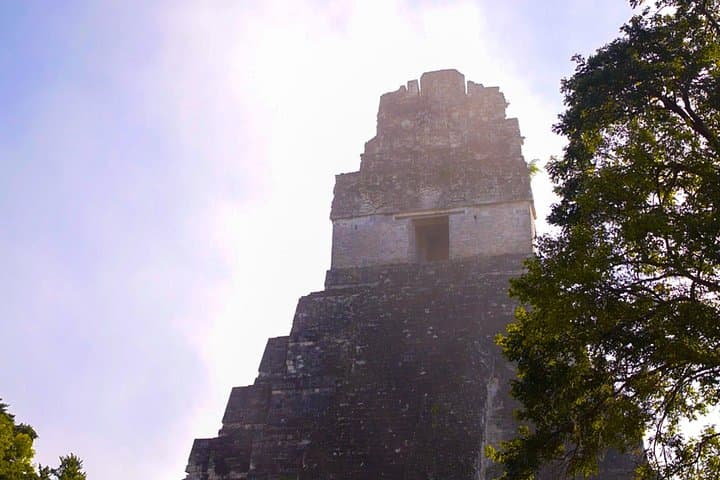
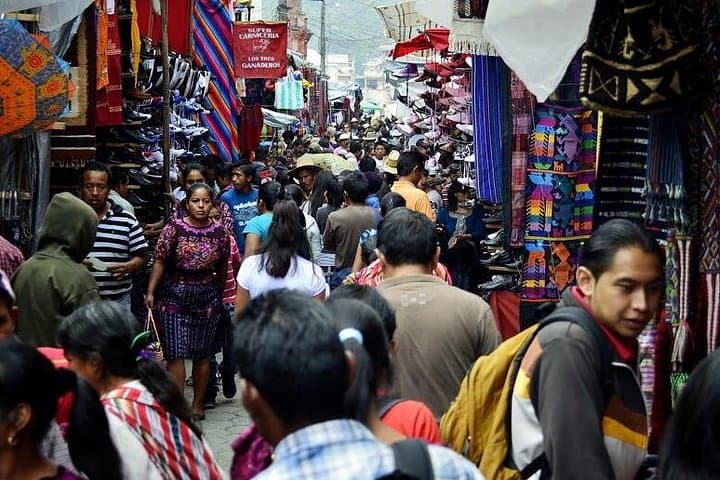
This 11-day route threads colonial towns, highland markets and rain forest temples: Antigua’s Spanish-era plazas, the market at Chichicastenango, the volcanic slopes of Pacaya, the Tzutujil villages ringing Lake Atitlán, and the towering stelae of Quiriguá, Copán and Tikal. Geology is part of the story — volcanic uplifts formed the highlands; limestone plateaus and karst underlay lowland Petén where the Maya built massive masonry cities whose plazas and pyramids still command the canopy.
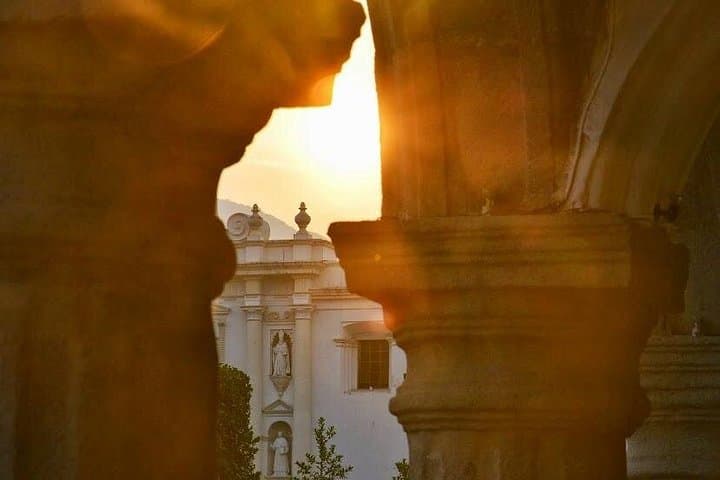
Culturally, the trip shows living Mayan traditions — ceremonial uses at Iglesia de Santo Tomás and textiles still dyed and woven by hand — alongside colonial Christian landmarks. On the Río Dulce, mangroves push at the river’s edge; the current seems to carry the region’s layered history downstream toward the Caribbean.
Practical side: expect early departures, multiple transfers by minivan and one internal flight, modest hotel accommodations, and guided walks that range from easy market strolls to a half-day volcano hike and multi-hour archaeological walks. Carry a water bottle, insect repellent, sturdy shoes and a light rain shell for sudden showers. Bring passport and photocopies, a small amount of local currency, and the patience to move at local rhythms — busier sites are best visited early to avoid crowds and midday heat.
moderate.
11 days.
Participants should have a moderate fitness level — able to manage several hours of walking on uneven surfaces and a half-day volcano hike.
Most nationalities can enter Guatemala and Honduras visa-free for short tourist stays, but check current entry requirements for your passport before travel and ensure passport has valid blank pages.
Ruins tours involve several hours of walking on uneven ground, stairs and trails; Pacaya includes a steeper, shorter hike. Moderate fitness and stable footwear are recommended.
The included one-way flight from Flores to Guatemala City saves a long overland transfer and is timed to connect with the itinerary; confirm baggage limits when booking.
Accommodations are 3–4 star hotels; most breakfasts are included and two lunches are provided, with other meals usually at your expense.
The route links Classic and Postclassic Maya centers — Quiriguá and Copán share carved stelae traditions, while Tikal dominated the lowland Petén during the Classic period.
Tikal and Yaxhá lie within protected parks; follow park rules, avoid touching fragile masonry and support local guides to direct tourism benefits to communities.
Guatemalan Adventure operates guided outdoor trips and adventures with an emphasis on safety, stewardship, and memorable experiences.
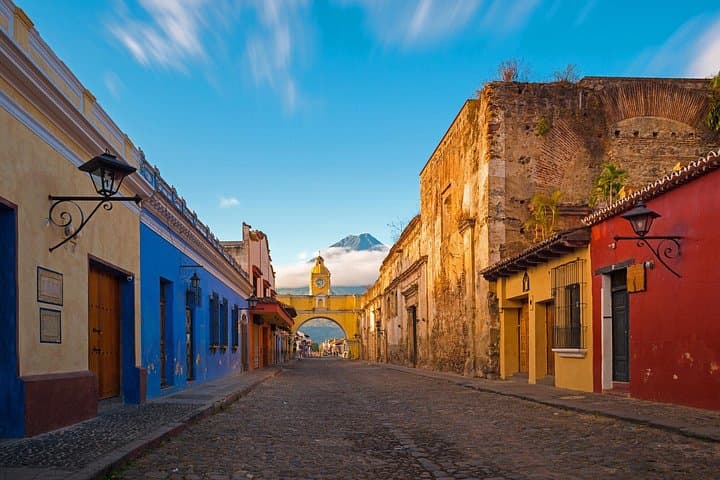
Dawn breaks over Antigua and the city exhales — terracotta roofs and church bells give way to the low rumble of volcanoes that have shaped this land for millennia.
Dawn breaks over Antigua and the city exhales — terracotta roofs and church bells give way to the low rumble of volcanoes that have shaped this land for millennia.
This 11-day route threads colonial towns, highland markets and rain forest temples: Antigua’s Spanish-era plazas, the market at Chichicastenango, the volcanic slopes of Pacaya, the Tzutujil villages ringing Lake Atitlán, and the towering stelae of Quiriguá, Copán and Tikal. Geology is part of the story — volcanic uplifts formed the highlands; limestone plateaus and karst underlay lowland Petén where the Maya built massive masonry cities whose plazas and pyramids still command the canopy.
Culturally, the trip shows living Mayan traditions — ceremonial uses at Iglesia de Santo Tomás and textiles still dyed and woven by hand — alongside colonial Christian landmarks. On the Río Dulce, mangroves push at the river’s edge; the current seems to carry the region’s layered history downstream toward the Caribbean.
Practical side: expect early departures, multiple transfers by minivan and one internal flight, modest hotel accommodations, and guided walks that range from easy market strolls to a half-day volcano hike and multi-hour archaeological walks. Carry a water bottle, insect repellent, sturdy shoes and a light rain shell for sudden showers. Bring passport and photocopies, a small amount of local currency, and the patience to move at local rhythms — busier sites are best visited early to avoid crowds and midday heat.