THE ADVENTURE COLLECTIVE® · Independent discovery and booking for outdoor travel

Cross Peru’s highlands and coasts on an 11‑day circuit that pairs Lima’s colonial history with Andean peaks, condor sightings in Colca and a visit to Machu Picchu. Expect high passes, long drives and vivid cultural encounters—great for travelers comfortable with altitude and multi-day travel.
Cross Peru’s highlands and coasts on an 11‑day circuit that pairs Lima’s colonial history with Andean peaks, condor sightings in Colca and a visit to Machu Picchu. Expect high passes, long drives and vivid cultural encounters—great for travelers comfortable with altitude and multi-day travel.
You step off the plane into Lima’s humid air and, almost immediately, into 11 days that thread modern metropolises with highland silence.
Verified experiences and guided adventures in the surrounding area.
Operated by LimaTours · Lima, Lima
You step off the plane into Lima’s humid air and, almost immediately, into 11 days that thread modern metropolises with highland silence.
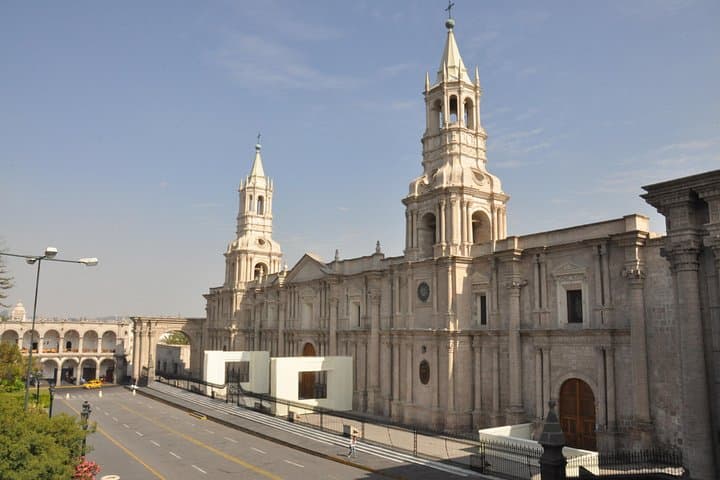
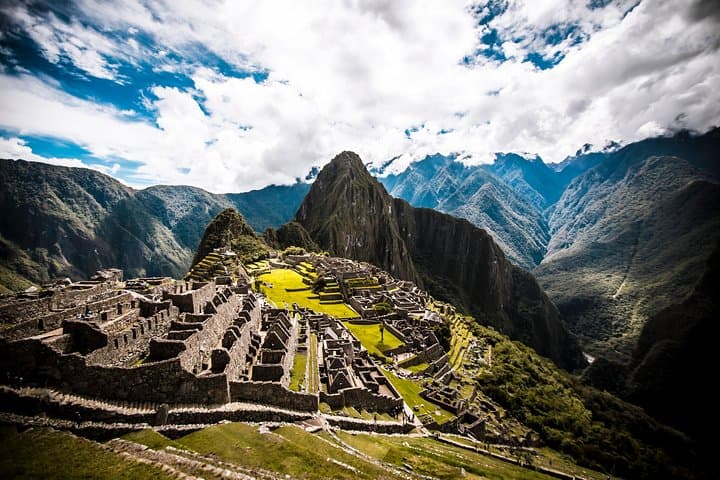
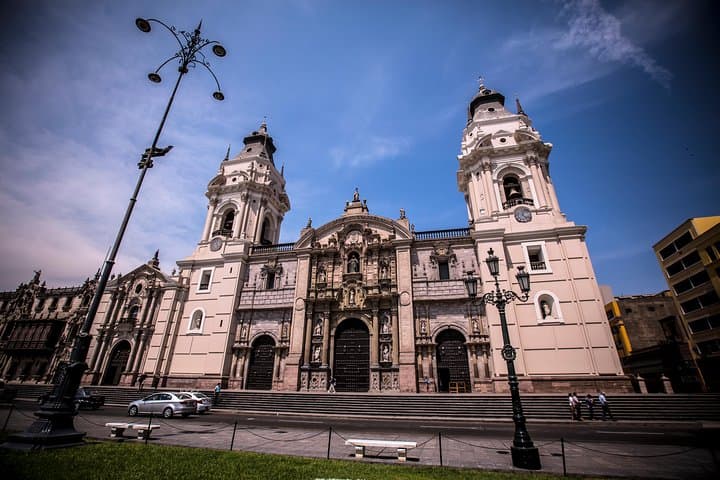
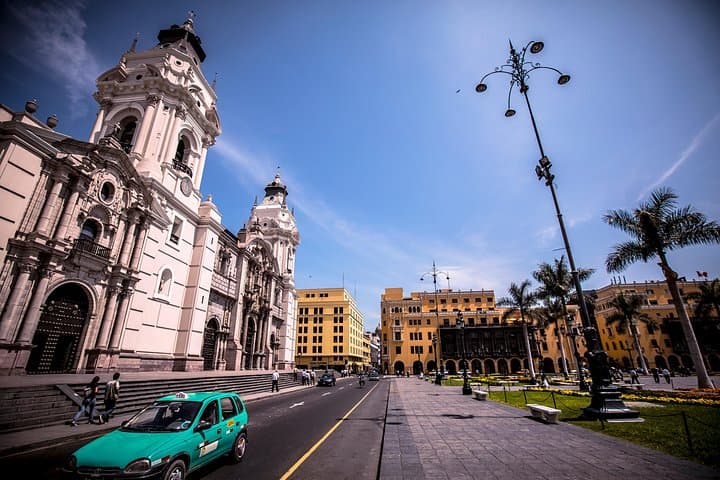
From Lima’s colonial cathedrals and the Larco Museum to Arequipa’s sillar-white facades, the route climbs into puna grasslands where volcanoes frame Patapampa at about 4,800 m. The Colca Valley opens like a cut in the earth — a canyon reaching over 3,000 m deep — where condors wheel close to the mirador at Cruz del Cóndor. Later, Lake Titicaca’s broad, high-altitude waters host the totora reed islands of the Uros and the Quechua-speaking terraces of Taquile. The final act is the Sacred Valley and Machu Picchu (≈2,430 m), reached by a scenic train through narrow Andean gorges.
Geology here is sharp: young volcanic peaks, uplifted Andean plateaus and terraces carved by millennia of agrarian engineering. Culturally, you’ll cross Inca heartlands and Spanish colonial centers; towns like Ollantaytambo retain living Inca urban patterns, while Puno preserves Aymara and Quechua traditions.
Practical guidance: acclimatize gradually — Cusco sits near 3,400 m and passes hit 4,300–4,800 m — and allow at least a day in high country before strenuous walking. Pack layered clothing for wide temperature swings, sturdy shoes for uneven Inca stone and a small daypack for water and rain protection. Expect long drives (Puno–Cusco ≈360 km, 7 hrs) and early starts for key viewpoints. Carry local cash for markets and modest tips, and bring photocopies of passports required for bookings. With measured pacing, this itinerary blends culture, wildlife and highland landscapes into a compelling, achievable Andean circuit.
moderate.
11 days.
Moderate fitness: able to handle multiple days of walking, stairs and occasional uneven terrain at altitude.
Yes — passport details are required at booking and for some permits; carry the original while traveling, and keep copies with your documents.
Altitude can affect anyone; symptoms range from mild headaches to more severe conditions—acclimatize, hydrate, rest, and consult a physician about medication if you have concerns.
This itinerary includes admission to major monuments and the train and bus transfers to Machu Picchu as listed, but confirm your ticket type and time slot before travel.
Bookings for this specific tour are final sale with no refunds; review terms carefully before purchase and consider travel insurance for emergencies.
This route threads pre-Inca settlements, the Inca Empire’s agricultural terraces and Spanish colonial centers; many towns retain continuous occupation back to Inca times.
Highland ecosystems and archaeological sites are fragile—stay on trails, avoid touching ruins, and support local guides and community-run initiatives to preserve cultural landscapes.
LimaTours operates guided outdoor trips and adventures with an emphasis on safety, stewardship, and memorable experiences.
You step off the plane into Lima’s humid air and, almost immediately, into 11 days that thread modern metropolises with highland silence.
You step off the plane into Lima’s humid air and, almost immediately, into 11 days that thread modern metropolises with highland silence.
From Lima’s colonial cathedrals and the Larco Museum to Arequipa’s sillar-white facades, the route climbs into puna grasslands where volcanoes frame Patapampa at about 4,800 m. The Colca Valley opens like a cut in the earth — a canyon reaching over 3,000 m deep — where condors wheel close to the mirador at Cruz del Cóndor. Later, Lake Titicaca’s broad, high-altitude waters host the totora reed islands of the Uros and the Quechua-speaking terraces of Taquile. The final act is the Sacred Valley and Machu Picchu (≈2,430 m), reached by a scenic train through narrow Andean gorges.
Geology here is sharp: young volcanic peaks, uplifted Andean plateaus and terraces carved by millennia of agrarian engineering. Culturally, you’ll cross Inca heartlands and Spanish colonial centers; towns like Ollantaytambo retain living Inca urban patterns, while Puno preserves Aymara and Quechua traditions.
Practical guidance: acclimatize gradually — Cusco sits near 3,400 m and passes hit 4,300–4,800 m — and allow at least a day in high country before strenuous walking. Pack layered clothing for wide temperature swings, sturdy shoes for uneven Inca stone and a small daypack for water and rain protection. Expect long drives (Puno–Cusco ≈360 km, 7 hrs) and early starts for key viewpoints. Carry local cash for markets and modest tips, and bring photocopies of passports required for bookings. With measured pacing, this itinerary blends culture, wildlife and highland landscapes into a compelling, achievable Andean circuit.