THE ADVENTURE COLLECTIVE® · Independent discovery and booking for outdoor travel

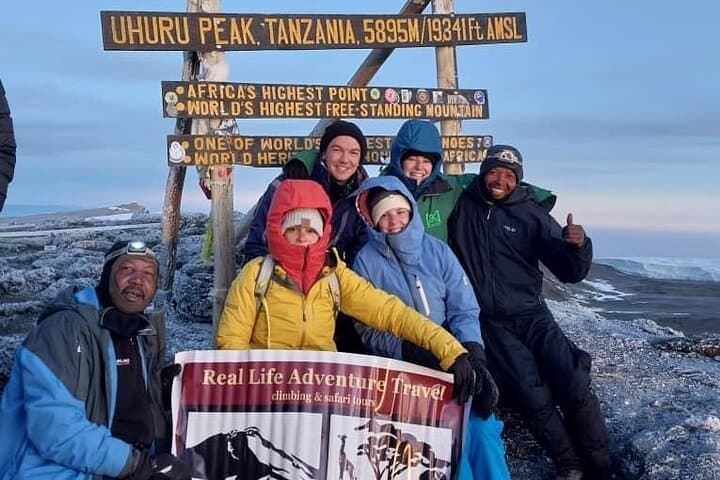
Take the longer, quieter Lemosho approach to Kilimanjaro and increase your summit odds while moving through five ecosystems—from rainforest to snow—on an 11-day premium trek. This luxury-minded itinerary pairs acclimatization with experienced guides, warm camps, and a midnight push to Uhuru Peak.
Take the longer, quieter Lemosho approach to Kilimanjaro and increase your summit odds while moving through five ecosystems—from rainforest to snow—on an 11-day premium trek. This luxury-minded itinerary pairs acclimatization with experienced guides, warm camps, and a midnight push to Uhuru Peak.
You step off the vehicle into a cool, damp canopy where sunlight threads through leaves like quiet applause. The rainforest swallows sound and the trail narrows—moss clings to roots, and colobus monkeys watch with bored curiosity as the first steps of an 11-day climb begin. This is the Lemosho Route: long enough to let your body adapt, private and comfortable enough to feel like an expedition with concierge service.
Verified experiences and guided adventures in the surrounding area.
Operated by Real Life Adventure Travel · Moshi, Kilimanjaro Region
You step off the vehicle into a cool, damp canopy where sunlight threads through leaves like quiet applause. The rainforest swallows sound and the trail narrows—moss clings to roots, and colobus monkeys watch with bored curiosity as the first steps of an 11-day climb begin. This is the Lemosho Route: long enough to let your body adapt, private and comfortable enough to feel like an expedition with concierge service.
The route covers roughly 72 km (about 45 miles) and climbs from Moshi’s lowland farms into five distinct ecosystems—rainforest, heath, moorland, alpine desert, and the snowfields near Uhuru Peak (5,895 m / 19,341 ft). Geologically, Kilimanjaro is a dormant stratovolcano; the shrapnel of its past eruptions shows up as volcanic plugs and broad lava flows on the Shira Plateau. Historically the mountain has been a crossroads: Chagga communities farmed its lower slopes long before European climbers like Hans Meyer recorded the summit in the late 19th century. Today the climb threads cultural exchange—guides from the region, porters who carry camp life, and a local economy built around the mountain.
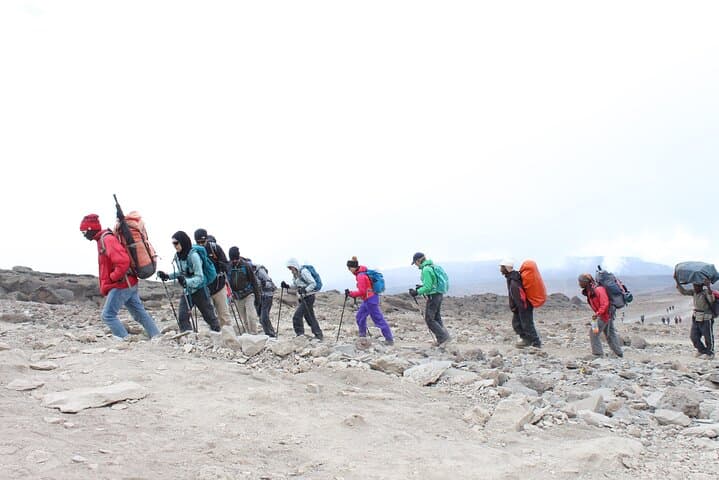
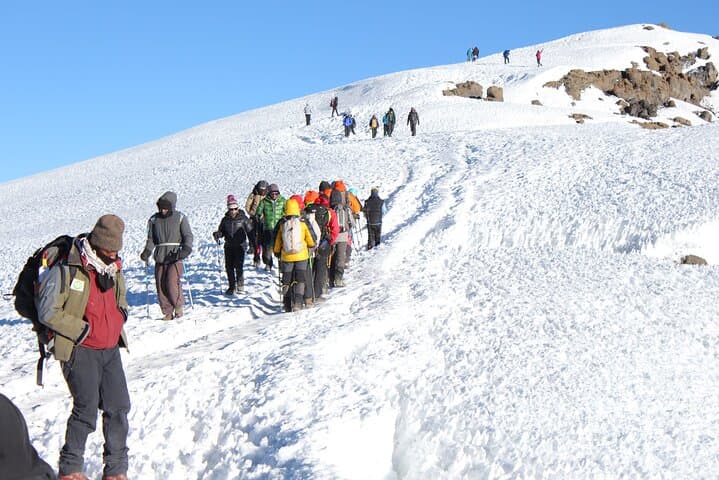
On Lemosho you walk from dense jungle into open heathlands where giant lobelias and senecios assume sculptural shapes. The Shira Plateau feels high—an exposed expanse where wind shapes your rhythm and Kibo’s silhouette looms like a distant promise. Barranco Wall provides a short, steep technical patch and dramatic photo frames; Barafu Camp is where you rest in daylight and then leave for a midnight push to Stella Point and Uhuru Peak. Nature on the mountain has agency—the glacier edges push back each year, the alpine sun can burn through thin air, and afternoon clouds often ride the ridges like an arriving audience.
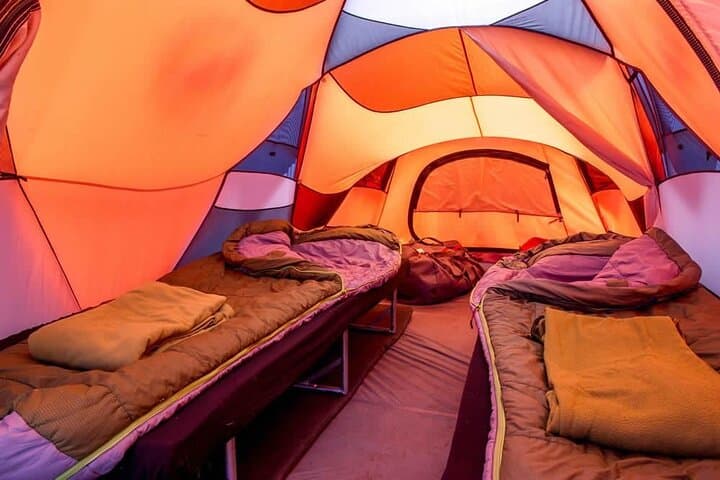
Practical edge: acclimatization is the trip’s real summit. The Lemosho Route’s extended itinerary raises summit odds by spacing elevation gain across more days; plan a conservative pace, drink frequently (1–2 liters between breaks), and carry Diamox only if prescribed. Sturdy, broken-in mountaineering boots, gaiters, and trekking poles make descents kinder to knees; a 0°C-rated sleeping bag and quality down jacket are essential for the summit night. Expect four to eight hours of hiking on most days, with the summit day a marathon of 10–16 hours door to door. Permits and park fees are handled through the operator—confirm they’re included and that porter and guide welfare follows Kilimanjaro National Park guidelines.
If you want drama without technical climbing, and meaningful time inside changing ecosystems, Lemosho delivers—slow, deliberate, and relentlessly honest about the work of reaching Africa’s rooftop.
challenging.
9–11 days.
Good cardiovascular fitness with prior multi-day hiking experience; comfortable with long days at altitude.
No; the standard Lemosho route is non-technical but physically demanding—no ropes or crampons are normally required, though wintery summit snow may need microspikes.
This itinerary indicates national park entry fees are included—confirm at booking and carry ID for permit records.
Expect a 10–16 hour summit day including the night ascent to Stella Point/ Uhuru Peak and descent to Mweka Camp.
A high level of fitness with prior multi-day trekking experience is recommended; aerobic training and long hikes with a loaded pack help.
Acute mountain sickness can occur above 2,500 m—symptoms include headache, nausea, and fatigue; communicate early, descend if severe, and follow guide advice.
Tipping is customary; follow operator guidelines and tip at the end of the trek—typically pooled and distributed via lead guide.
The mountain has long been part of Chagga life; European documented ascents began in the late 19th century and changed Kilimanjaro into a global climbing icon.
Kilimanjaro National Park restricts camping to designated sites and enforces waste-disposal rules; choose operators who follow porter welfare and leave-no-trace practices.
Real Life Adventure Travel operates guided outdoor trips and adventures with an emphasis on safety, stewardship, and memorable experiences.
You step off the vehicle into a cool, damp canopy where sunlight threads through leaves like quiet applause. The rainforest swallows sound and the trail narrows—moss clings to roots, and colobus monkeys watch with bored curiosity as the first steps of an 11-day climb begin. This is the Lemosho Route: long enough to let your body adapt, private and comfortable enough to feel like an expedition with concierge service.
You step off the vehicle into a cool, damp canopy where sunlight threads through leaves like quiet applause. The rainforest swallows sound and the trail narrows—moss clings to roots, and colobus monkeys watch with bored curiosity as the first steps of an 11-day climb begin. This is the Lemosho Route: long enough to let your body adapt, private and comfortable enough to feel like an expedition with concierge service.
The route covers roughly 72 km (about 45 miles) and climbs from Moshi’s lowland farms into five distinct ecosystems—rainforest, heath, moorland, alpine desert, and the snowfields near Uhuru Peak (5,895 m / 19,341 ft). Geologically, Kilimanjaro is a dormant stratovolcano; the shrapnel of its past eruptions shows up as volcanic plugs and broad lava flows on the Shira Plateau. Historically the mountain has been a crossroads: Chagga communities farmed its lower slopes long before European climbers like Hans Meyer recorded the summit in the late 19th century. Today the climb threads cultural exchange—guides from the region, porters who carry camp life, and a local economy built around the mountain.
On Lemosho you walk from dense jungle into open heathlands where giant lobelias and senecios assume sculptural shapes. The Shira Plateau feels high—an exposed expanse where wind shapes your rhythm and Kibo’s silhouette looms like a distant promise. Barranco Wall provides a short, steep technical patch and dramatic photo frames; Barafu Camp is where you rest in daylight and then leave for a midnight push to Stella Point and Uhuru Peak. Nature on the mountain has agency—the glacier edges push back each year, the alpine sun can burn through thin air, and afternoon clouds often ride the ridges like an arriving audience.
Practical edge: acclimatization is the trip’s real summit. The Lemosho Route’s extended itinerary raises summit odds by spacing elevation gain across more days; plan a conservative pace, drink frequently (1–2 liters between breaks), and carry Diamox only if prescribed. Sturdy, broken-in mountaineering boots, gaiters, and trekking poles make descents kinder to knees; a 0°C-rated sleeping bag and quality down jacket are essential for the summit night. Expect four to eight hours of hiking on most days, with the summit day a marathon of 10–16 hours door to door. Permits and park fees are handled through the operator—confirm they’re included and that porter and guide welfare follows Kilimanjaro National Park guidelines.
If you want drama without technical climbing, and meaningful time inside changing ecosystems, Lemosho delivers—slow, deliberate, and relentlessly honest about the work of reaching Africa’s rooftop.