THE ADVENTURE COLLECTIVE® · Independent discovery and booking for outdoor travel

Move from Delhi’s frenetic lanes to Agra’s marble glow, Jaipur’s palaces, Khajuraho’s carvings and Varanasi’s river rites across 11 days. This private itinerary pairs UNESCO sites and early-morning rituals with practical travel logistics and local insights.
Move from Delhi’s frenetic lanes to Agra’s marble glow, Jaipur’s palaces, Khajuraho’s carvings and Varanasi’s river rites across 11 days. This private itinerary pairs UNESCO sites and early-morning rituals with practical travel logistics and local insights.
A dawn in Old Delhi tastes of chai and the clang of bicycle rickshaws; narrow lanes open onto wide imperial vistas as the tour begins. Over 11 days you move from Delhi’s colonial boulevards to Agra’s riverside views of the Taj, across Jaipur’s pink sandstone avenues and onward into central India’s stone-carved temples at Khajuraho before the river rituals of Varanasi. The route threads Mughal forts and Rajput palaces with Chandela-era temple art and the living rites of the Ganges.
Verified experiences and guided adventures in the surrounding area.
Operated by Ajay Day Tours · New Delhi, Delhi
A dawn in Old Delhi tastes of chai and the clang of bicycle rickshaws; narrow lanes open onto wide imperial vistas as the tour begins. Over 11 days you move from Delhi’s colonial boulevards to Agra’s riverside views of the Taj, across Jaipur’s pink sandstone avenues and onward into central India’s stone-carved temples at Khajuraho before the river rituals of Varanasi. The route threads Mughal forts and Rajput palaces with Chandela-era temple art and the living rites of the Ganges.
Geology and history here are visible in stone: red sandstone and marble monuments rise from plains shaped by the Yamuna and Chambal rivers; Khajuraho’s temples are a product of 10th–12th century Chandela craftsmanship and a UNESCO designation. Orchha’s forts and cenotaphs sit on the Betwa’s bend, offering quieter, photogenic contrasts to Agra and Varanasi’s bustle.
Culturally the trip balances monuments with rituals—Sarnath’s Buddhist stupas, Kashi Vishwanath’s temple precincts and Assi Ghat’s evening aarti present layered religious life. Guides typically explain iconography, local caste and pilgrimage practices, and navigating temple customs.
Practical guidance: the itinerary uses private transport and 3–5★ hotels with breakfast included; expect multiple 3–6 hour drives and early-morning temple visits to avoid heat and crowds. Dress modestly for temples, carry cash (many smaller shrines and vendors are cash-preferred), and plan buffer time for traffic. Hydrate and carry a basic first-aid kit—this is culturally rich travel with long days, not a strenuous trek. With thoughtful pacing, the route delivers architectural spectacle, quiet riverside moments, and layered history in one comprehensive journey.
moderate.
11 days.
Suitable for travelers in average fitness; involves walking on uneven temple platforms and multiple full travel days
Most foreign nationals require an Indian visa or e-Visa—check your embassy’s requirements well before travel.
October–March offers cooler, dryer weather and clearer sightseeing conditions; summers are hot, especially in central India.
Major sites and the tour note wheelchair accessibility, but many temples have steps and uneven surfaces—confirm specific needs with the operator in advance.
Expect 2–4 miles of walking some days—at monuments and ghats—with stretches on uneven stone, so bring supportive shoes.
The route spans Mughal-era Agra, Rajput Jaipur and Chandela-ruled Khajuraho—each region preserves distinct dynastic architecture and ritual traditions.
Temples and ghats face pressure from overtourism and river pollution; travelers should avoid single-use plastics, respect signage, and use local guides who follow sustainable practices.
Ajay Day Tours operates guided outdoor trips and adventures with an emphasis on safety, stewardship, and memorable experiences.
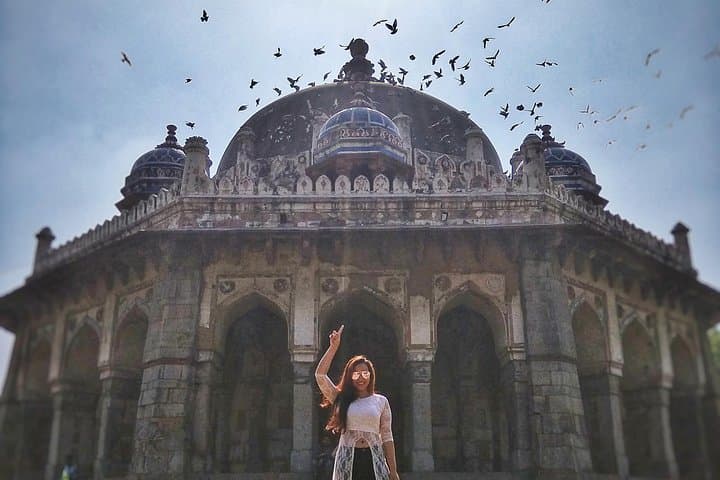
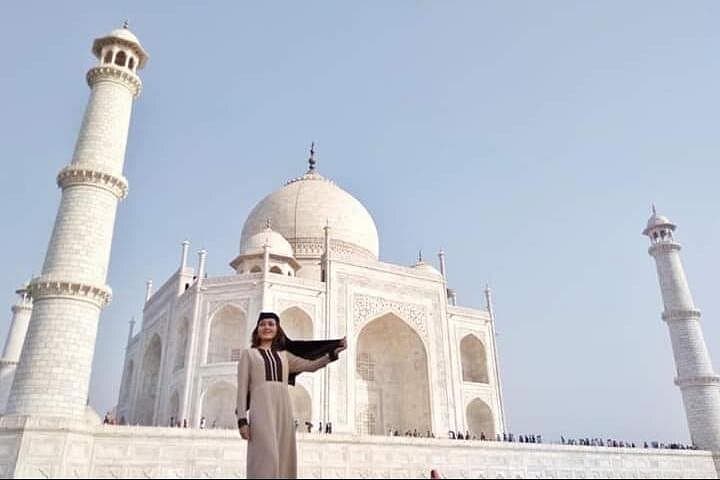
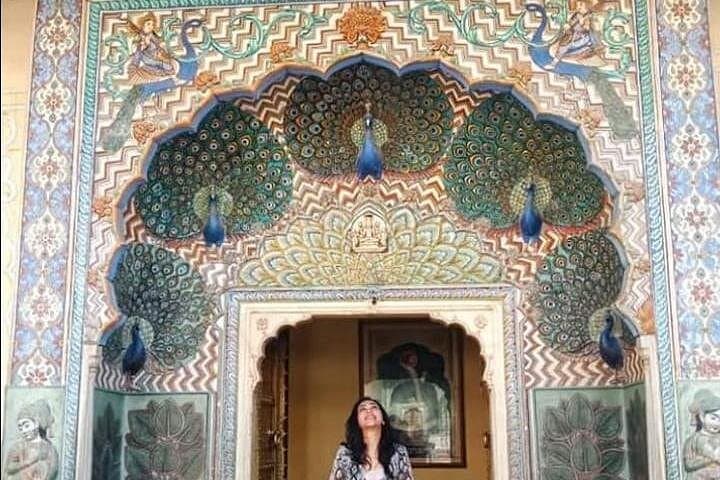
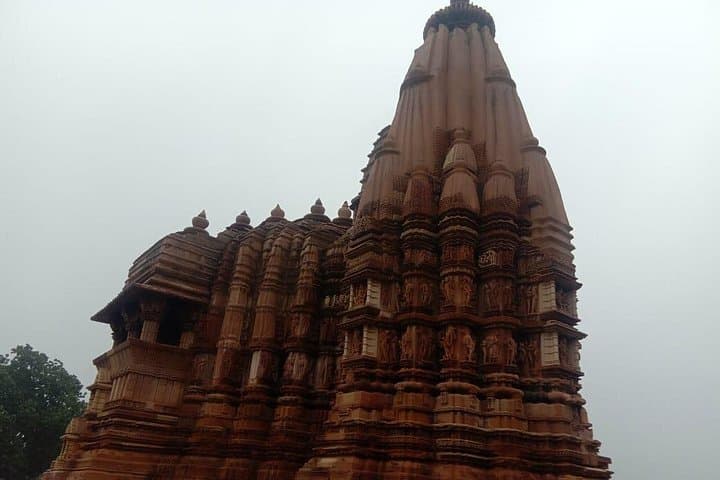
A dawn in Old Delhi tastes of chai and the clang of bicycle rickshaws; narrow lanes open onto wide imperial vistas as the tour begins. Over 11 days you move from Delhi’s colonial boulevards to Agra’s riverside views of the Taj, across Jaipur’s pink sandstone avenues and onward into central India’s stone-carved temples at Khajuraho before the river rituals of Varanasi. The route threads Mughal forts and Rajput palaces with Chandela-era temple art and the living rites of the Ganges.
A dawn in Old Delhi tastes of chai and the clang of bicycle rickshaws; narrow lanes open onto wide imperial vistas as the tour begins. Over 11 days you move from Delhi’s colonial boulevards to Agra’s riverside views of the Taj, across Jaipur’s pink sandstone avenues and onward into central India’s stone-carved temples at Khajuraho before the river rituals of Varanasi. The route threads Mughal forts and Rajput palaces with Chandela-era temple art and the living rites of the Ganges.
Geology and history here are visible in stone: red sandstone and marble monuments rise from plains shaped by the Yamuna and Chambal rivers; Khajuraho’s temples are a product of 10th–12th century Chandela craftsmanship and a UNESCO designation. Orchha’s forts and cenotaphs sit on the Betwa’s bend, offering quieter, photogenic contrasts to Agra and Varanasi’s bustle.
Culturally the trip balances monuments with rituals—Sarnath’s Buddhist stupas, Kashi Vishwanath’s temple precincts and Assi Ghat’s evening aarti present layered religious life. Guides typically explain iconography, local caste and pilgrimage practices, and navigating temple customs.
Practical guidance: the itinerary uses private transport and 3–5★ hotels with breakfast included; expect multiple 3–6 hour drives and early-morning temple visits to avoid heat and crowds. Dress modestly for temples, carry cash (many smaller shrines and vendors are cash-preferred), and plan buffer time for traffic. Hydrate and carry a basic first-aid kit—this is culturally rich travel with long days, not a strenuous trek. With thoughtful pacing, the route delivers architectural spectacle, quiet riverside moments, and layered history in one comprehensive journey.