THE ADVENTURE COLLECTIVE® · Independent discovery and booking for outdoor travel

Fly into Lukla and follow classic Khumbu trails through Sherpa villages, rhododendron forests and glacial moraines to Everest Base Camp and Kala Patthar. This 11-day itinerary balances acclimatization with hard trekking days and cultural stops in Namche and Tengboche.
Fly into Lukla and follow classic Khumbu trails through Sherpa villages, rhododendron forests and glacial moraines to Everest Base Camp and Kala Patthar. This 11-day itinerary balances acclimatization with hard trekking days and cultural stops in Namche and Tengboche.
Dawn in Lukla is a rush of prayer flags, yak bells and the nervous hum of a short-haul runway. You step off the plane into thin air and, within hours, begin a steadily climbing route that threads suspension bridges, pine and rhododendron forests, and stone Sherpa villages. Each day rearranges the horizon; Everest teases from the skyline until the last hard push to Gorak Shep opens the Khumbu Icefall and the moraine-strewn approach to Base Camp.
Verified experiences and guided adventures in the surrounding area.
Operated by AM Travels and Tours · Lukla, Province No. 1
Dawn in Lukla is a rush of prayer flags, yak bells and the nervous hum of a short-haul runway. You step off the plane into thin air and, within hours, begin a steadily climbing route that threads suspension bridges, pine and rhododendron forests, and stone Sherpa villages. Each day rearranges the horizon; Everest teases from the skyline until the last hard push to Gorak Shep opens the Khumbu Icefall and the moraine-strewn approach to Base Camp.
The route follows ancient trade paths through Sagarmatha National Park, a geological pageant of uplifted rocks, glacial moraines and high-altitude deserts formed by Himalayan tectonics. Sherpa culture is ever-present — monasteries, mani walls and tea houses where local stories and weather reports travel faster than any cell signal.
Practically, plan for 4–7 hours of trekking most days, daily elevation changes of 300–800 m, and highs over 5,300 m at Base Camp and ~5,545 m at Kala Patthar. Two acclimatization days (Namche, Dingboche) are non-negotiable; altitude is the primary risk, not trail difficulty. Trails vary from compacted dirt and stone steps to loose scree and glacial debris near the end.
Bring a layered system, sturdy midsoles, and a plan for water and calorie-dense snacks; hire certified local guides and ensure TIMS and Sagarmatha permits are in order. Flights to and from Lukla are weather-dependent—build buffer days into travel plans. When you reach Kala Patthar at sunrise, the light will push the peaks into relief and make every hard mile count.
challenging.
11 days.
Good aerobic fitness for sustained daily hikes and the ability to handle long days at altitude; prior multi-day trekking experience recommended
Yes — you must have a TIMS card and Sagarmatha National Park permit; guides usually arrange these before departure.
You should have strong aerobic endurance from regular hiking or cardio training; the trek is long and includes sustained altitude but no technical climbing.
Yes — weather and wind commonly delay or cancel flights; plan buffer days before and after the trek for flexibility.
Most tea houses in larger villages have limited mobile service and charge devices for a small fee; expect intermittent connectivity and bring a power bank.
Paths used on this trek were traditional trade and pilgrimage routes for Sherpa communities and salt traders; monasteries like Tengboche date back generations as spiritual centers.
Sagarmatha National Park has strict permit controls to limit visitor impact; use established tea houses, pack out waste where possible, and minimize single-use plastics.
AM Travels and Tours operates guided outdoor trips and adventures with an emphasis on safety, stewardship, and memorable experiences.
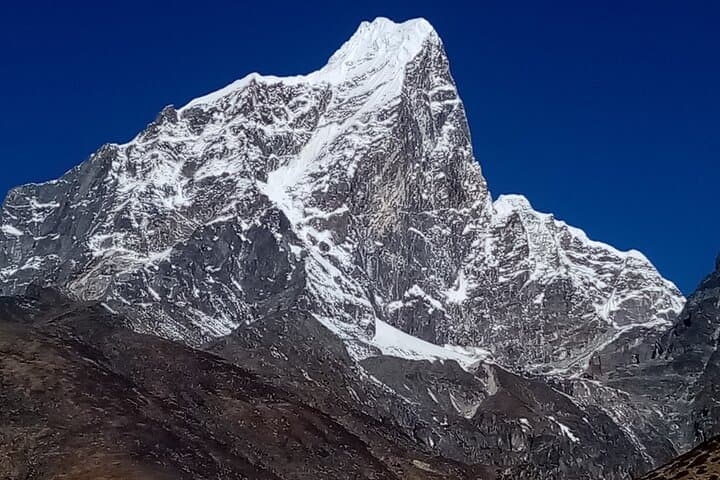
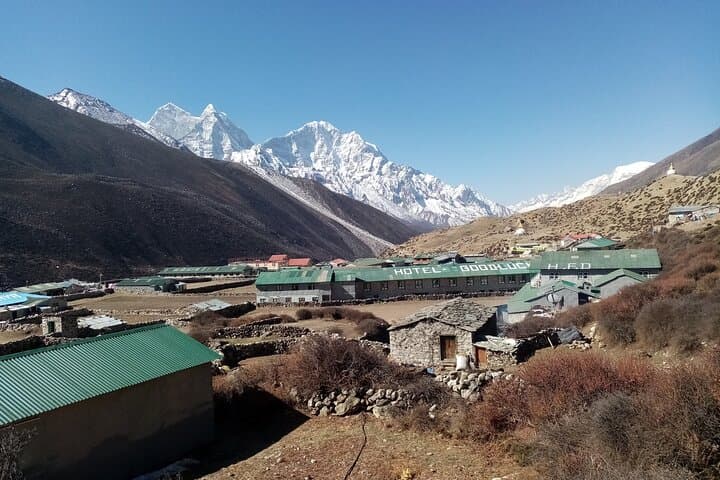
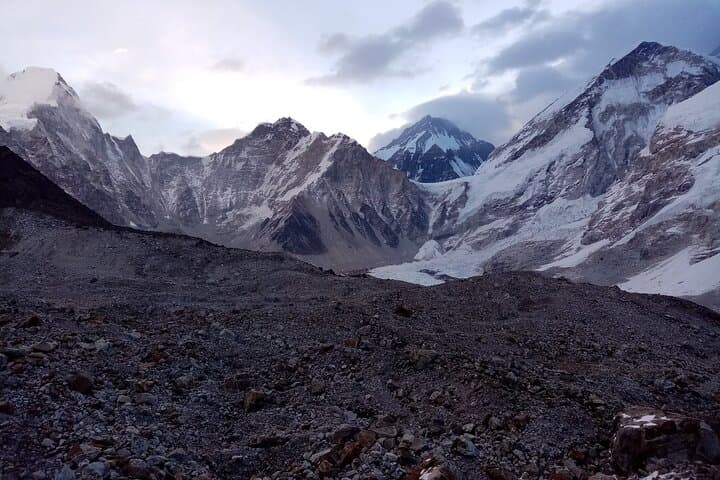
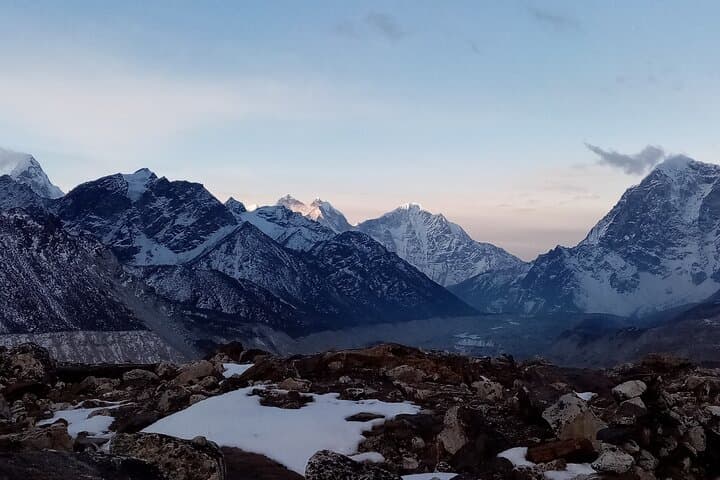
Dawn in Lukla is a rush of prayer flags, yak bells and the nervous hum of a short-haul runway. You step off the plane into thin air and, within hours, begin a steadily climbing route that threads suspension bridges, pine and rhododendron forests, and stone Sherpa villages. Each day rearranges the horizon; Everest teases from the skyline until the last hard push to Gorak Shep opens the Khumbu Icefall and the moraine-strewn approach to Base Camp.
Dawn in Lukla is a rush of prayer flags, yak bells and the nervous hum of a short-haul runway. You step off the plane into thin air and, within hours, begin a steadily climbing route that threads suspension bridges, pine and rhododendron forests, and stone Sherpa villages. Each day rearranges the horizon; Everest teases from the skyline until the last hard push to Gorak Shep opens the Khumbu Icefall and the moraine-strewn approach to Base Camp.
The route follows ancient trade paths through Sagarmatha National Park, a geological pageant of uplifted rocks, glacial moraines and high-altitude deserts formed by Himalayan tectonics. Sherpa culture is ever-present — monasteries, mani walls and tea houses where local stories and weather reports travel faster than any cell signal.
Practically, plan for 4–7 hours of trekking most days, daily elevation changes of 300–800 m, and highs over 5,300 m at Base Camp and ~5,545 m at Kala Patthar. Two acclimatization days (Namche, Dingboche) are non-negotiable; altitude is the primary risk, not trail difficulty. Trails vary from compacted dirt and stone steps to loose scree and glacial debris near the end.
Bring a layered system, sturdy midsoles, and a plan for water and calorie-dense snacks; hire certified local guides and ensure TIMS and Sagarmatha permits are in order. Flights to and from Lukla are weather-dependent—build buffer days into travel plans. When you reach Kala Patthar at sunrise, the light will push the peaks into relief and make every hard mile count.