THE ADVENTURE COLLECTIVE® · Independent discovery and booking for outdoor travel

Fly from Kathmandu into the high Khumbu and trek 11 days to reach Everest Base Camp. This guide covers route highlights, daily effort, acclimatization priorities and practical gear for a safe, unforgettable ascent to EBC.
Fly from Kathmandu into the high Khumbu and trek 11 days to reach Everest Base Camp. This guide covers route highlights, daily effort, acclimatization priorities and practical gear for a safe, unforgettable ascent to EBC.
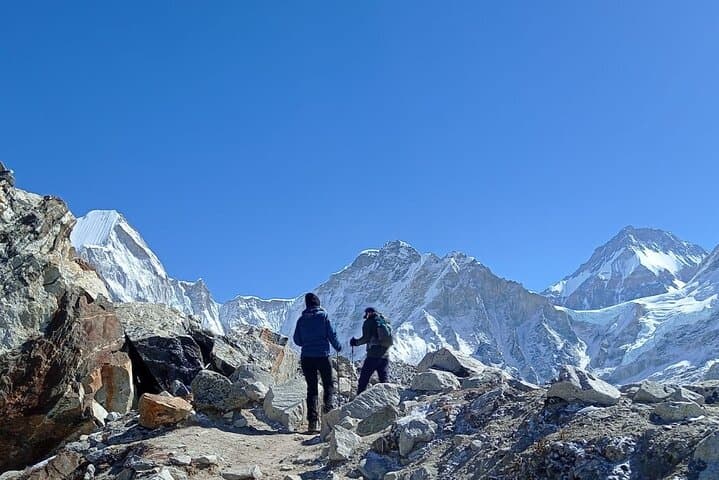
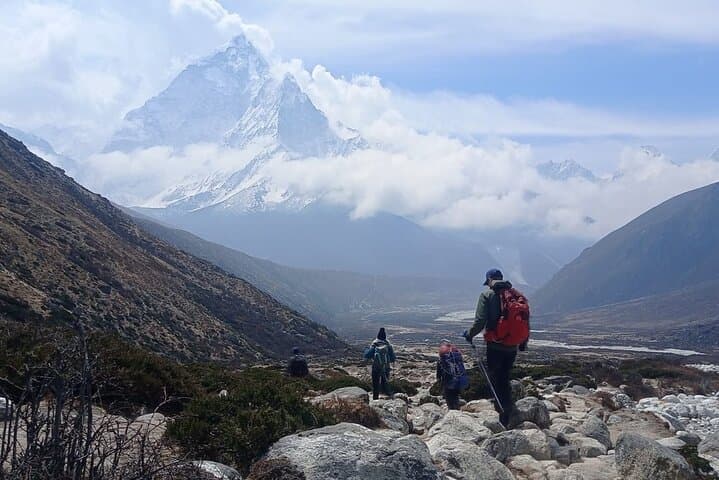
A raw morning in Lukla feels electric: prayer flags snap like small alarms while thin air sharpens each breath. You lift off the tarmac of Kathmandu and, within an hour, descend into a landscape that climbs relentlessly — terraces give way to rhododendron forest, then to stony slopes where the trail narrows and the horizon is all ice.
Verified experiences and guided adventures in the surrounding area.
Operated by Worldwide Tourism Inc - Highly Recommended Travel Company · Kathmandu, Bagmati Province
A raw morning in Lukla feels electric: prayer flags snap like small alarms while thin air sharpens each breath. You lift off the tarmac of Kathmandu and, within an hour, descend into a landscape that climbs relentlessly — terraces give way to rhododendron forest, then to stony slopes where the trail narrows and the horizon is all ice.
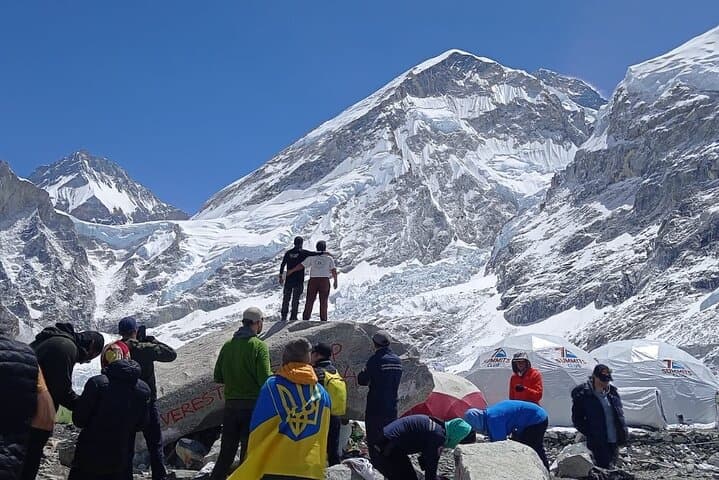
This 11-day itinerary traces the classic Khumbu route: Kathmandu to Lukla flight, gradual ascent through Phakding and Namche Bazaar, alpine meadows at Tengboche and Dingboche, then the high-plateau approach through Lobuche to Gorak Shep and Everest Base Camp (EBC, 5,364 m). Geologically, you’re walking the collision zone where the Indian Plate shoves into Eurasia; moraines and seracs around the Khumbu Glacier illustrate ongoing uplift and glacial sculpting.
Sherpa culture punctuates the route — monasteries, mani stones and tea houses reflect centuries of Himalayan life and the region’s mountaineering history that accelerated after the 1953 Everest ascent.
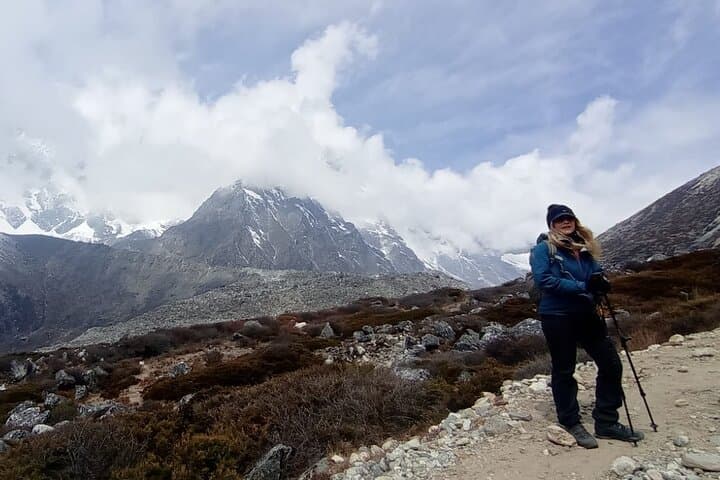
Practical notes: expect 6–8 hours hiking on main walking days with cumulative elevation gain from Lukla (~2,860 m) to EBC (~5,364 m). Trails are well-marked but include stone steps, loose scree and glacier moraine near base camp. Acclimatization days in Namche and Dingboche are essential; symptoms of altitude can appear above 3,000 m. Carry layered clothing, a warm sleeping bag rated to -10°C, and plan for weather swings — sun can burn at altitude and storms can roll in within hours.
This is a challenging, high-altitude trek that rewards with close-up views of Everest, Nuptse and the Khumbu Icefall, and direct encounters with Sherpa hospitality.
challenging.
11 days.
Good cardiovascular fitness and experience with multi-day hikes; prior high-altitude trekking experience recommended.
Prior multi-day trekking at altitude is strongly recommended; acclimatization days are included but individual tolerance varies.
Spring (March–May) and autumn (September–November) offer the most stable weather and clearer mountain views.
Expect 6–8 hour walking days with steep sections and up to 1,000 m elevation gain on some days; physical preparation is important.
Yes—basic teahouses provide bunks, meals and boiling water; facilities become more limited above Lobuche and are colder at night.
The Khumbu valley has long been inhabited by Sherpa communities and became central to Himalayan mountaineering after early 20th-century expeditions and the landmark 1953 Everest summit.
High foot traffic has stressed trails and lodges; carry out waste, use established pit toilets and support community-based conservation programs in the Khumbu.
Worldwide Tourism Inc - Highly Recommended Travel Company operates guided outdoor trips and adventures with an emphasis on safety, stewardship, and memorable experiences.
A raw morning in Lukla feels electric: prayer flags snap like small alarms while thin air sharpens each breath. You lift off the tarmac of Kathmandu and, within an hour, descend into a landscape that climbs relentlessly — terraces give way to rhododendron forest, then to stony slopes where the trail narrows and the horizon is all ice.
A raw morning in Lukla feels electric: prayer flags snap like small alarms while thin air sharpens each breath. You lift off the tarmac of Kathmandu and, within an hour, descend into a landscape that climbs relentlessly — terraces give way to rhododendron forest, then to stony slopes where the trail narrows and the horizon is all ice.
This 11-day itinerary traces the classic Khumbu route: Kathmandu to Lukla flight, gradual ascent through Phakding and Namche Bazaar, alpine meadows at Tengboche and Dingboche, then the high-plateau approach through Lobuche to Gorak Shep and Everest Base Camp (EBC, 5,364 m). Geologically, you’re walking the collision zone where the Indian Plate shoves into Eurasia; moraines and seracs around the Khumbu Glacier illustrate ongoing uplift and glacial sculpting.
Sherpa culture punctuates the route — monasteries, mani stones and tea houses reflect centuries of Himalayan life and the region’s mountaineering history that accelerated after the 1953 Everest ascent.
Practical notes: expect 6–8 hours hiking on main walking days with cumulative elevation gain from Lukla (~2,860 m) to EBC (~5,364 m). Trails are well-marked but include stone steps, loose scree and glacier moraine near base camp. Acclimatization days in Namche and Dingboche are essential; symptoms of altitude can appear above 3,000 m. Carry layered clothing, a warm sleeping bag rated to -10°C, and plan for weather swings — sun can burn at altitude and storms can roll in within hours.
This is a challenging, high-altitude trek that rewards with close-up views of Everest, Nuptse and the Khumbu Icefall, and direct encounters with Sherpa hospitality.