THE ADVENTURE COLLECTIVE® · Independent discovery and booking for outdoor travel

An 11-day loop from Cairo’s pyramids to a Red Sea dive and a classic Nile cruise—this itinerary pairs iconic archaeology with coastal reefs and riverine quiet. Practical tips for timing, packing, and cultural respect will keep you moving smoothly between sites.
An 11-day loop from Cairo’s pyramids to a Red Sea dive and a classic Nile cruise—this itinerary pairs iconic archaeology with coastal reefs and riverine quiet. Practical tips for timing, packing, and cultural respect will keep you moving smoothly between sites.
You step from the Cairo airport into warm air scented with car exhaust and citrus, the city already humming around the silhouette of the pyramids on the horizon. On day one the Giza plateau dominates—sand that shifts like a living map, the Sphinx watching travelers as it has for millennia. From Cairo’s congested streets the itinerary threads south: Nile banks, temple colonnades, and the blush of coral reefs in Hurghada.
Verified experiences and guided adventures in the surrounding area.
Operated by Expedition Egypt · Cairo, Cairo Governorate
You step from the Cairo airport into warm air scented with car exhaust and citrus, the city already humming around the silhouette of the pyramids on the horizon. On day one the Giza plateau dominates—sand that shifts like a living map, the Sphinx watching travelers as it has for millennia. From Cairo’s congested streets the itinerary threads south: Nile banks, temple colonnades, and the blush of coral reefs in Hurghada.
This route stitches together Egypt’s long human story with the physical landscape: limestone ridges carved into monumental tombs, Nile sediments that made the river valley fertile for early civilization, and Red Sea coral architecture built over millions of years. Cultural layers—Pharaonic temples, Ptolemaic inscriptions, Nubian communities around Aswan—are narrated by local guides who translate both language and landscape.
Expect a steady pace: museum halls in Cairo, a one-hour flight to Hurghada for snorkeling or diving, then a drive to Luxor and boarding a Nile cruise to Edfu, Kom Ombo and Aswan. Optional Abu Simbel requires an early road transfer. The Nile moves like a deliberate companion, pushing the journey forward; desert winds test your sunscreen and resolve.
Practical guidance: pack light layers, sun protection and a daypack for temple visits. Carry small cash for entrance fees, and wear respectful, breathable clothing at religious sites. Hydrate constantly in summer, and book scuba or snorkel excursions through reputable operators in Hurghada. With moderate fitness you’ll manage transfers and walking at sites; the payoff is up-close encounters with architecture, river life, and reef ecosystems—an 11-day arc through Egypt’s major landscapes and histories.
moderate.
11 days.
Moderate — able to manage several hours of walking, stairs inside temples, and transfers of up to four hours by road.
Most nationalities require a tourist visa for Egypt; check current e-visa rules and obtain one online or on arrival depending on your passport country.
The tour includes museum visits, temple steps, and some uneven ground; while transportation can be wheelchair-accessible, many sites are not fully accessible—discuss needs with the operator before booking.
Days include several hours of walking and standing at monuments; pacing is moderate, but expect stairs and long corridors in tombs and temples.
Fall (October–November) and spring (March–April) offer milder temperatures and smaller peak-heat risk while still allowing comfortable diving conditions in the Red Sea.
This route follows Egypt’s central historical axis—from Old Kingdom monuments on the Giza plateau to New Kingdom temples in Luxor and Ptolemaic additions along the Nile—tracing millennia of statecraft and religion.
Tourism impacts sites and fragile reef systems; choose responsible operators, avoid touching coral, and support local conservation efforts and community enterprises.
Expedition Egypt operates guided outdoor trips and adventures with an emphasis on safety, stewardship, and memorable experiences.
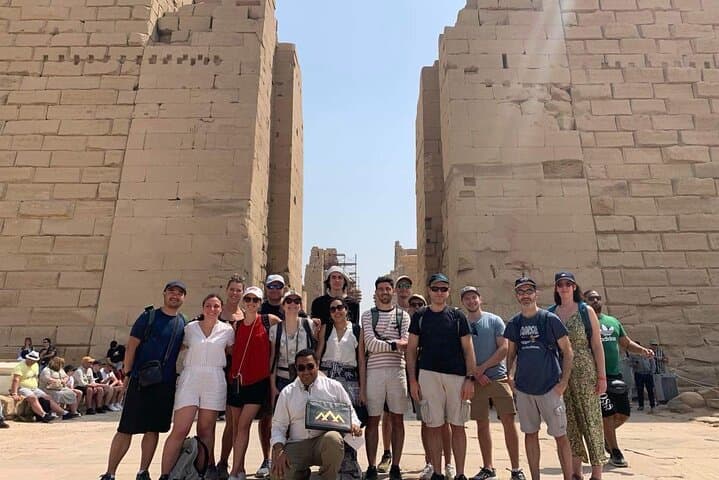
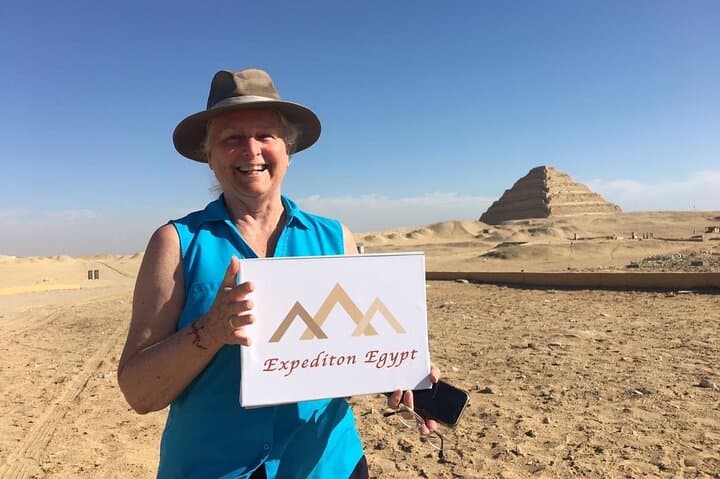
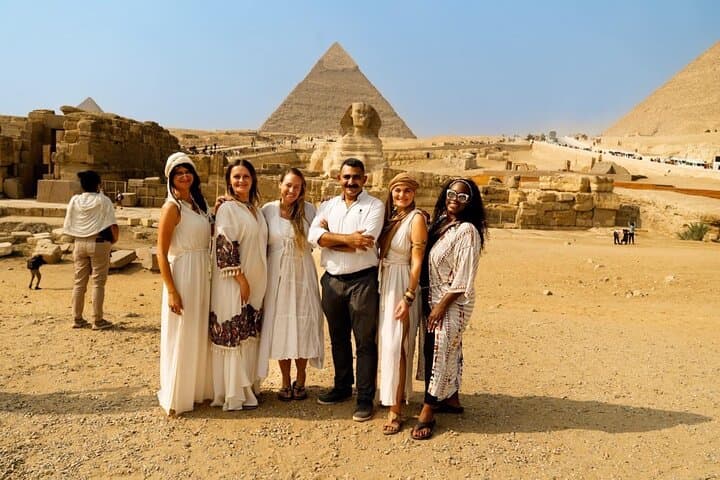
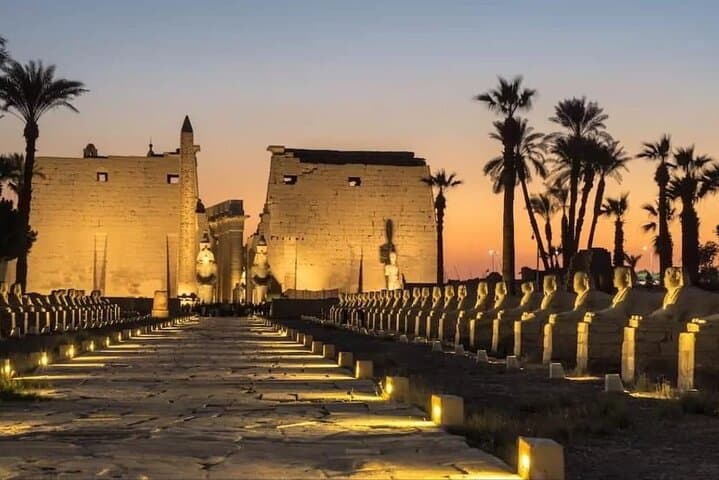
You step from the Cairo airport into warm air scented with car exhaust and citrus, the city already humming around the silhouette of the pyramids on the horizon. On day one the Giza plateau dominates—sand that shifts like a living map, the Sphinx watching travelers as it has for millennia. From Cairo’s congested streets the itinerary threads south: Nile banks, temple colonnades, and the blush of coral reefs in Hurghada.
You step from the Cairo airport into warm air scented with car exhaust and citrus, the city already humming around the silhouette of the pyramids on the horizon. On day one the Giza plateau dominates—sand that shifts like a living map, the Sphinx watching travelers as it has for millennia. From Cairo’s congested streets the itinerary threads south: Nile banks, temple colonnades, and the blush of coral reefs in Hurghada.
This route stitches together Egypt’s long human story with the physical landscape: limestone ridges carved into monumental tombs, Nile sediments that made the river valley fertile for early civilization, and Red Sea coral architecture built over millions of years. Cultural layers—Pharaonic temples, Ptolemaic inscriptions, Nubian communities around Aswan—are narrated by local guides who translate both language and landscape.
Expect a steady pace: museum halls in Cairo, a one-hour flight to Hurghada for snorkeling or diving, then a drive to Luxor and boarding a Nile cruise to Edfu, Kom Ombo and Aswan. Optional Abu Simbel requires an early road transfer. The Nile moves like a deliberate companion, pushing the journey forward; desert winds test your sunscreen and resolve.
Practical guidance: pack light layers, sun protection and a daypack for temple visits. Carry small cash for entrance fees, and wear respectful, breathable clothing at religious sites. Hydrate constantly in summer, and book scuba or snorkel excursions through reputable operators in Hurghada. With moderate fitness you’ll manage transfers and walking at sites; the payoff is up-close encounters with architecture, river life, and reef ecosystems—an 11-day arc through Egypt’s major landscapes and histories.