THE ADVENTURE COLLECTIVE® · Independent discovery and booking for outdoor travel

Move with the flood pulse of the Okavango and track lions in Savuti before a river cruise on Chobe and a finale at Victoria Falls. This 11-day mobile-camp safari blends intimate wildlife encounters with the raw power of one of the world’s great waterfalls.
Move with the flood pulse of the Okavango and track lions in Savuti before a river cruise on Chobe and a finale at Victoria Falls. This 11-day mobile-camp safari blends intimate wildlife encounters with the raw power of one of the world’s great waterfalls.
You touch down in Maun and the air smells faintly of river mud and dry grass. From the plane the Okavango Delta reads like a living map: green islands, ribboned channels, and herds threading the floodplain. Over eleven days you move with the land — mobile camps unpacked and struck as you chase water, prides and papyrus.
Verified experiences and guided adventures in the surrounding area.
Operated by Shooting Star Safaris · Maun, North-West District
You touch down in Maun and the air smells faintly of river mud and dry grass. From the plane the Okavango Delta reads like a living map: green islands, ribboned channels, and herds threading the floodplain. Over eleven days you move with the land — mobile camps unpacked and struck as you chase water, prides and papyrus.
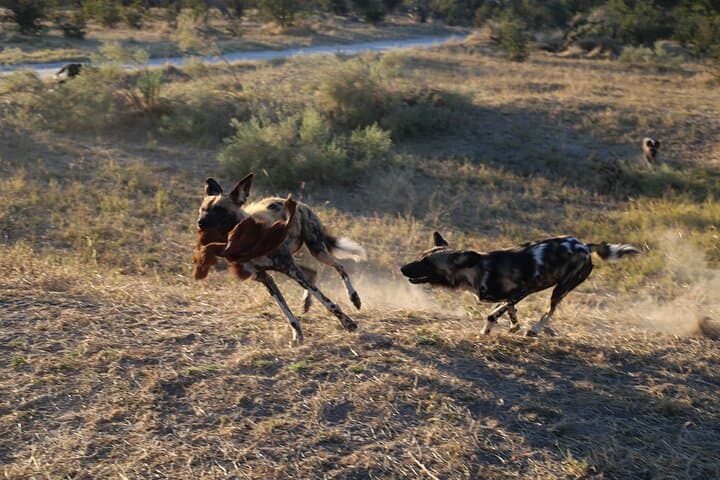
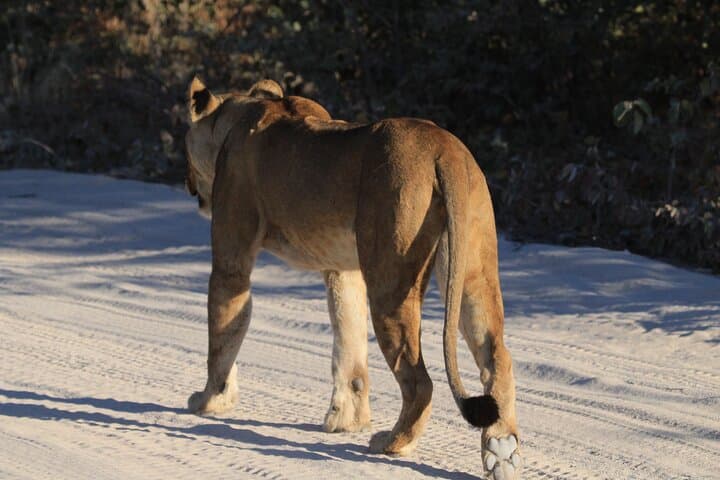
Botswana’s story is geological and seasonal. The Okavango is an inland delta fed by rains in the Angolan highlands; its annual flood pulse rearranges habitat and concentrates game. Moremi and Khwai are braided with channels and mokoro-lined edges; Savuti is wind-swept flat and marsh where predators stage dramatic encounters; Chobe’s riverfront is a highway for elephants. Local communities manage concessions here, and park fees support anti-poaching and habitat work.
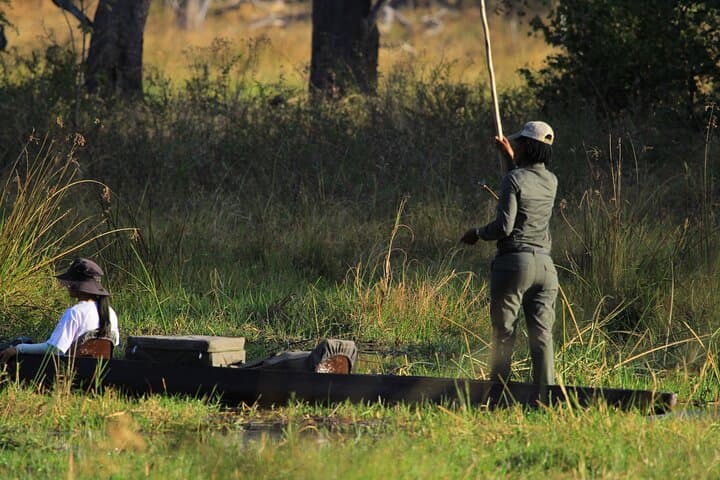
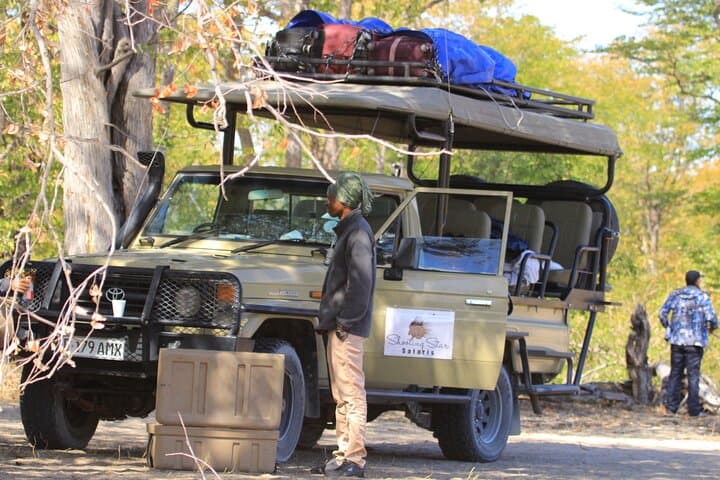
Expect a mix of vehicle game drives, quiet mokoro excursions, optional guided walks and a boat cruise on the Chobe — plus a border transfer to Victoria Falls for a guided viewing and optional activities. Accommodation is mobile camping with ensuite tents most nights, and one lodge night near Kasane.
Practical edge: pack layered, sun-safe clothing, sturdy closed shoes for walks and dry-bag fragile electronics for mokoro trips. Vaccinations and travel documents should be current; border crossings and flight timings demand punctuality. Days run early and finish late—bring patience and a sense of rhythm. The reward is consistent: close wildlife viewing, shifting landscapes and the thunder of Victoria Falls at the end of the line.
moderate.
11 days.
Suitable for travelers in average fitness; must be able to climb in/out of safari vehicles, tolerate bumpy roads and occasional short walks.
Visa requirements depend on your nationality; many travelers need visas for Zimbabwe while Botswana often allows visa-free entry—check current embassy guidance well before travel.
Yellow fever vaccination may be required if arriving from an endemic country; routine vaccinations and malaria prophylaxis are recommended—consult your travel clinic.
This is a mobile safari with fully set-up temporary camps and ensuite tents; guests are not required to pitch tents but should be comfortable with rustic amenities and communal camp routines.
Many itineraries allow children, but check age limits and activity suitability—infants may need to sit on parents’ laps for transfers and the trip is not recommended for pregnant travelers.
The Okavango’s seasonal floods shaped local San and Bantu livelihoods for millennia; modern conservation in Botswana grew from community concessions and protected-area expansion in the 20th century.
Seasonal mobile camps and park fees support anti-poaching patrols and community conservation; travelers are encouraged to minimize waste and respect local guidelines to reduce impact.
Shooting Star Safaris operates guided outdoor trips and adventures with an emphasis on safety, stewardship, and memorable experiences.
You touch down in Maun and the air smells faintly of river mud and dry grass. From the plane the Okavango Delta reads like a living map: green islands, ribboned channels, and herds threading the floodplain. Over eleven days you move with the land — mobile camps unpacked and struck as you chase water, prides and papyrus.
You touch down in Maun and the air smells faintly of river mud and dry grass. From the plane the Okavango Delta reads like a living map: green islands, ribboned channels, and herds threading the floodplain. Over eleven days you move with the land — mobile camps unpacked and struck as you chase water, prides and papyrus.
Botswana’s story is geological and seasonal. The Okavango is an inland delta fed by rains in the Angolan highlands; its annual flood pulse rearranges habitat and concentrates game. Moremi and Khwai are braided with channels and mokoro-lined edges; Savuti is wind-swept flat and marsh where predators stage dramatic encounters; Chobe’s riverfront is a highway for elephants. Local communities manage concessions here, and park fees support anti-poaching and habitat work.
Expect a mix of vehicle game drives, quiet mokoro excursions, optional guided walks and a boat cruise on the Chobe — plus a border transfer to Victoria Falls for a guided viewing and optional activities. Accommodation is mobile camping with ensuite tents most nights, and one lodge night near Kasane.
Practical edge: pack layered, sun-safe clothing, sturdy closed shoes for walks and dry-bag fragile electronics for mokoro trips. Vaccinations and travel documents should be current; border crossings and flight timings demand punctuality. Days run early and finish late—bring patience and a sense of rhythm. The reward is consistent: close wildlife viewing, shifting landscapes and the thunder of Victoria Falls at the end of the line.