THE ADVENTURE COLLECTIVE® · Independent discovery and booking for outdoor travel

Drive your own husky sled through the snow-clad taiga near Rovaniemi, then warm up at a family kennel to learn how the dogs are trained and cared for. This 10 km experience mixes hands-on mushing with cultural insight into Lapland's dog-handling traditions.
Drive your own husky sled through the snow-clad taiga near Rovaniemi, then warm up at a family kennel to learn how the dogs are trained and cared for. This 10 km experience mixes hands-on mushing with cultural insight into Lapland's dog-handling traditions.
The dogs surge forward before you can feel the cold — tongues lolling, paws punching powder, and the taiga opening like a living corridor ahead. You stand on the sled runners, reins warm in gloved hands, and the forest becomes a rhythm of bark, wind, and the metal scrape of runners over compacted snow.
Verified experiences and guided adventures in the surrounding area.
Operated by Arktictopia · Rovaniemi, Lapland
The dogs surge forward before you can feel the cold — tongues lolling, paws punching powder, and the taiga opening like a living corridor ahead. You stand on the sled runners, reins warm in gloved hands, and the forest becomes a rhythm of bark, wind, and the metal scrape of runners over compacted snow.
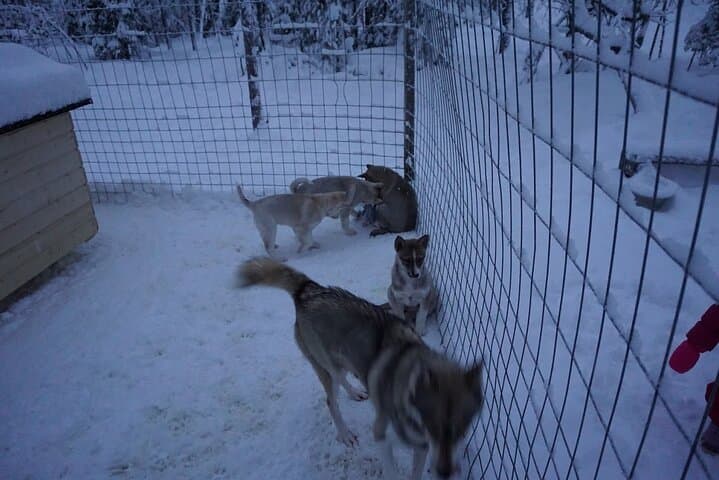
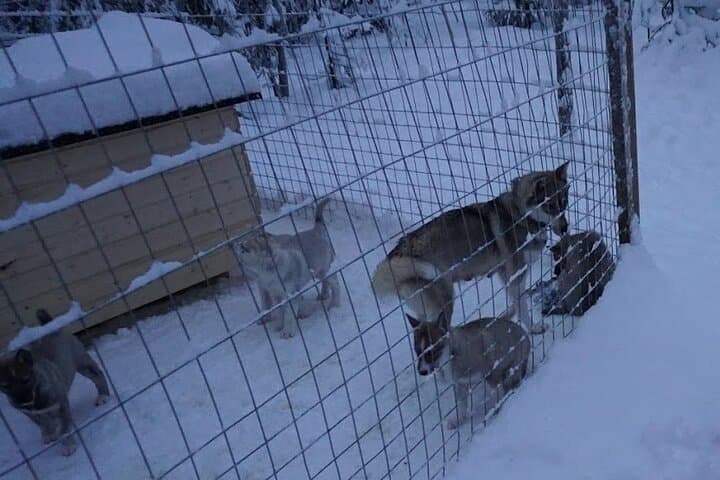
Lapland's taiga is recent geology of glacial deposits and acidic conifer soils; centuries of reindeer and sled dogs shaped local transport and culture long before tourism. Husky teams here are descendants of working dogs bred for endurance and social drive. After your ride, mushers by the kennel fire explain feeding cycles, training methods, and the bonds that make a lead dog a community figure.
Expect 10 km of trail through pine and birch stands, occasional frozen stream crossings, and open clearings where exhaust steam hangs in cold air. The experience balances thrill and stewardship: handlers stress quiet commands and minimal disturbance to wildlife.
Practical guidance: dress for arctic wind chill — layered insulation, windproof outer shell, warm boots, and liner gloves. Be ready to alternate between standing as musher and sitting as passenger; good balance and basic mobility make the ride easier. Tours typically include a short instruction, hotel pickup from Rovaniemi, and time at the kennel to meet the dogs and ask questions. Photography is welcome but keep movements deliberate around the dogs. If you want aurora chances, book nights in mid-winter and stay flexible with timing; guides will often combine light displays with kennel storytelling.
easy.
4–5 hours.
Suitable for most adults in reasonable health; you should be able to stand on the sled and walk short distances on uneven snow.
Participants 18+ may act as the musher after a brief safety briefing; minors can ride as passengers.
Hotel pickup in Rovaniemi, transfer to the kennel, instruction, a 10 km open sled run, and time by the kennel fire with the mushers.
Not recommended for travelers with spinal, cardiovascular, or pregnancy-related restrictions; the provider lists these as exclusions.
Trips are often canceled for extreme weather; the operator usually offers full refunds if canceled at least 24 hours ahead or due to unsafe conditions.
Dog sledding in Lapland has practical roots in Sámi and northern livelihoods; working teams were essential for transport, hunting, and communication across winters.
Keep to established trails, follow handler instructions, and avoid feeding wildlife; responsible kennel practices focus on welfare and minimizing disturbance to native habitats.
Arktictopia operates guided outdoor trips and adventures with an emphasis on safety, stewardship, and memorable experiences.
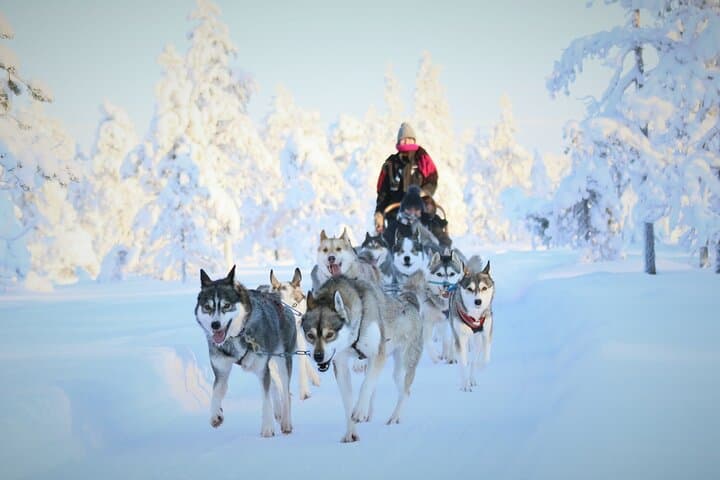
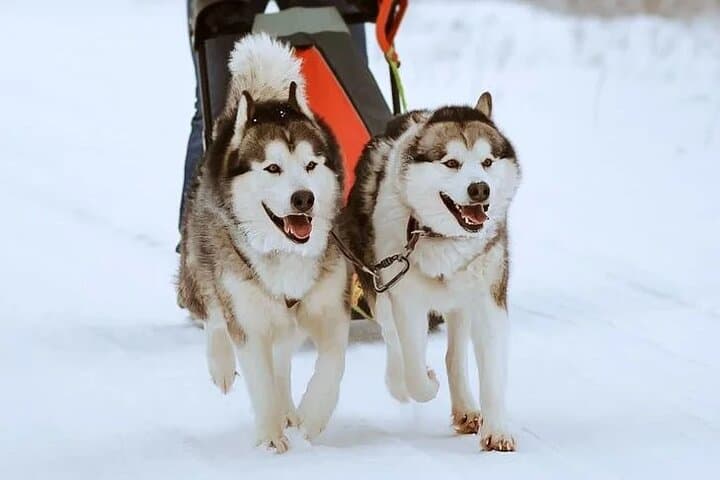
The dogs surge forward before you can feel the cold — tongues lolling, paws punching powder, and the taiga opening like a living corridor ahead. You stand on the sled runners, reins warm in gloved hands, and the forest becomes a rhythm of bark, wind, and the metal scrape of runners over compacted snow.
The dogs surge forward before you can feel the cold — tongues lolling, paws punching powder, and the taiga opening like a living corridor ahead. You stand on the sled runners, reins warm in gloved hands, and the forest becomes a rhythm of bark, wind, and the metal scrape of runners over compacted snow.
Lapland's taiga is recent geology of glacial deposits and acidic conifer soils; centuries of reindeer and sled dogs shaped local transport and culture long before tourism. Husky teams here are descendants of working dogs bred for endurance and social drive. After your ride, mushers by the kennel fire explain feeding cycles, training methods, and the bonds that make a lead dog a community figure.
Expect 10 km of trail through pine and birch stands, occasional frozen stream crossings, and open clearings where exhaust steam hangs in cold air. The experience balances thrill and stewardship: handlers stress quiet commands and minimal disturbance to wildlife.
Practical guidance: dress for arctic wind chill — layered insulation, windproof outer shell, warm boots, and liner gloves. Be ready to alternate between standing as musher and sitting as passenger; good balance and basic mobility make the ride easier. Tours typically include a short instruction, hotel pickup from Rovaniemi, and time at the kennel to meet the dogs and ask questions. Photography is welcome but keep movements deliberate around the dogs. If you want aurora chances, book nights in mid-winter and stay flexible with timing; guides will often combine light displays with kennel storytelling.