THE ADVENTURE COLLECTIVE® · Independent discovery and booking for outdoor travel

Spend three hours weaving through mangrove channels from Goodland to Kice Island, hunting shells on exposed sandbars and watching dolphins work the shallows. A small-boat, eco-focused outing ideal for photographers and families.
Spend three hours weaving through mangrove channels from Goodland to Kice Island, hunting shells on exposed sandbars and watching dolphins work the shallows. A small-boat, eco-focused outing ideal for photographers and families.
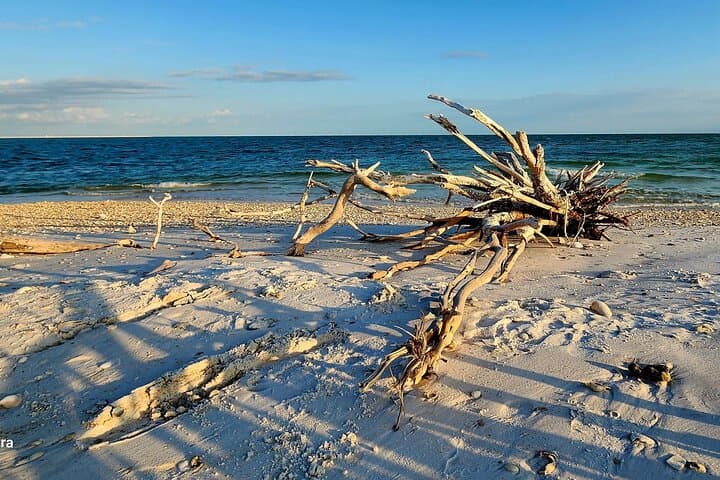
The motor ticks down and the flats open like a map of light: shallow bays, mangrove fingers, and glittering sandbars that seem to float just beneath the surface. On a half-day out of Walker’s Coon Key Marina, the boat slips past bobbing oyster clusters and low mangrove ribs toward Kice Island and the sand-swept edges of Cape Romano, where dolphins thread the channels and beaches offer shells both common and rare.
Verified experiences and guided adventures in the surrounding area.
Operated by Sand Dollar Boat Tours of Naples · Goodland, Florida
The motor ticks down and the flats open like a map of light: shallow bays, mangrove fingers, and glittering sandbars that seem to float just beneath the surface. On a half-day out of Walker’s Coon Key Marina, the boat slips past bobbing oyster clusters and low mangrove ribs toward Kice Island and the sand-swept edges of Cape Romano, where dolphins thread the channels and beaches offer shells both common and rare.
This stretch of the Ten Thousand Islands is defined by slow water and fast change. Sea-level shifts and ancient reef ridges have left a quilt of shell beds and seagrass flats; over millennia the Calusa and later generations recognized these coastal shelves as reliable harvest zones. Geologically, the region is carbonate sediment and shell hash, reshaped daily by tides and storms—which is why shelling here feels equal parts luck and timing. Culturally, Goodland and Marco Island are working waterfronts: commercial shrimpers, seasonal bird migrations, and a small community that reads weather like scripture.
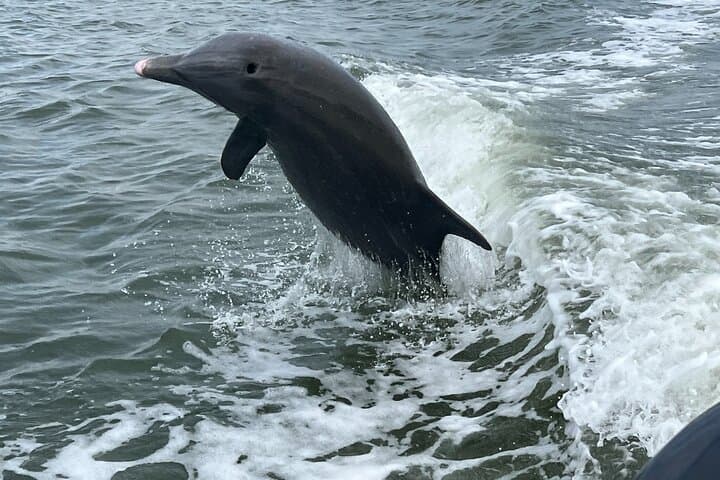
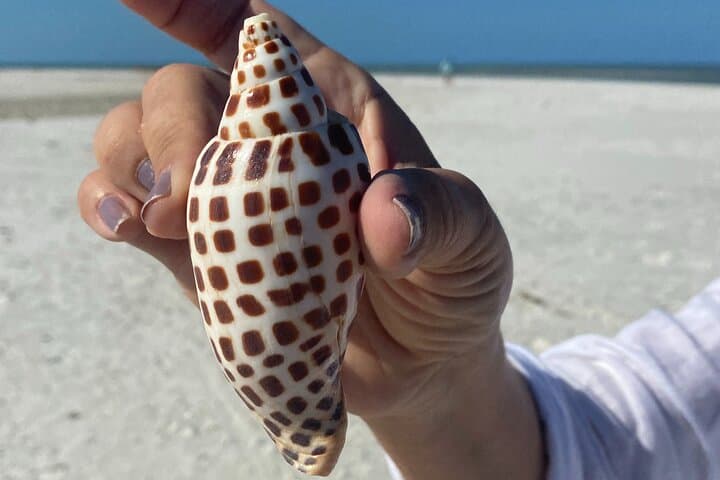
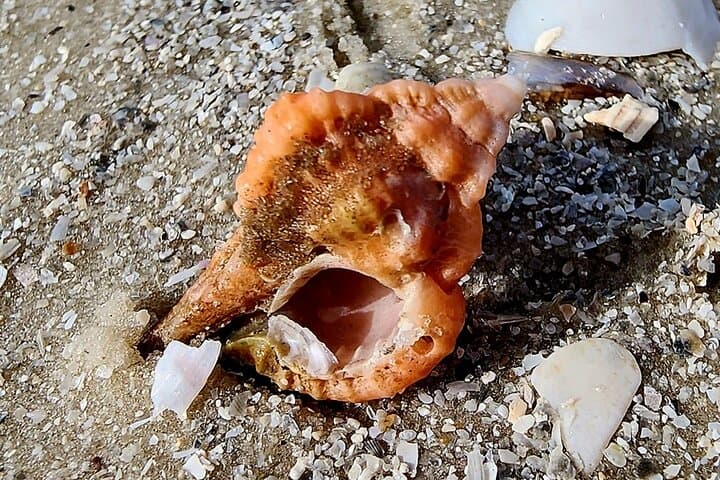
On the water, the guides do more than point and collect. They read lines of breakers for the best low-tide shelling, identify living vs. empty shells, and steer shallow-draft boats into pockets that larger vessels can’t reach. You’ll learn to spot olive shells half-buried in sand, scallop fans, coquinas, fighting conch, and—if fortune favors you—a rare Junonia or other prized find. Dolphins tend to appear in small pods, surfacing along mangrove edges or surfacing in the deeper cuts; birds such as pelicans and roseate spoonbills keep a calculated distance.
Practical rhythm matters here. Shelling is best around lower tides when sandbars are exposed; early morning brings calmer seas and cooler light for photos. Tours run about three hours, typically limited to six passengers per boat for an intimate feel, though shared departures can include more boats. The meeting point at 604 E Palm Ave (Walker's Coon Key Marina) offers free parking; plan to arrive 20–30 minutes early for check-in.
Bring reef shoes for walking soft, sometimes sharp shell beds; a dry bag for phones and cameras; reef-safe sunscreen and a wide-brim hat. Hydrate—Florida sun is efficient at stealing energy—and consider motion-sickness meds if you’re prone. Respect the shoreline: take shells only if they are empty and intact, avoid disturbing live animals, and heed guides on fragile seagrass and bird nesting areas.
This half-day tour balances discovery with stewardship: you’ll come away with pockets full of shells, a few photos of bow-riding dolphins, and a clearer sense of why these low islands are as much a living classroom as a beach day.
easy.
3 hours.
Light activity; must be able to step on and off a small boat and walk short distances on sand and shell beds.
Children are welcome; infants must sit on an adult’s lap and operators typically advise family-friendly boats—verify when booking.
Dolphins are frequently sighted in the Ten Thousand Islands but wildlife is never guaranteed; guides choose routes with high sighting probabilities.
You may collect empty, uninhabited shells; avoid taking live shells or protected species and follow guide instructions to protect nesting areas.
The waters are often calm, but if you're prone to seasickness take preventative medication and choose morning trips when seas are usually smoother.
Tours meet at Walker’s Coon Key Marina, 604 E Palm Ave, Goodland; the marina provides free parking—arrive 20–30 minutes early to check in.
Full refund is typically available if you cancel at least 24 hours before departure; tours may cancel for bad weather or insufficient travelers.
This coastline was part of the Calusa domain; shell middens and fishing traditions ran generations deep, influencing shoreline use today.
Tours emphasize taking only empty shells, avoiding seagrass damage, and using reef-safe products to protect fragile coastal ecosystems.
Sand Dollar Boat Tours of Naples operates guided outdoor trips and adventures with an emphasis on safety, stewardship, and memorable experiences.
The motor ticks down and the flats open like a map of light: shallow bays, mangrove fingers, and glittering sandbars that seem to float just beneath the surface. On a half-day out of Walker’s Coon Key Marina, the boat slips past bobbing oyster clusters and low mangrove ribs toward Kice Island and the sand-swept edges of Cape Romano, where dolphins thread the channels and beaches offer shells both common and rare.
The motor ticks down and the flats open like a map of light: shallow bays, mangrove fingers, and glittering sandbars that seem to float just beneath the surface. On a half-day out of Walker’s Coon Key Marina, the boat slips past bobbing oyster clusters and low mangrove ribs toward Kice Island and the sand-swept edges of Cape Romano, where dolphins thread the channels and beaches offer shells both common and rare.
This stretch of the Ten Thousand Islands is defined by slow water and fast change. Sea-level shifts and ancient reef ridges have left a quilt of shell beds and seagrass flats; over millennia the Calusa and later generations recognized these coastal shelves as reliable harvest zones. Geologically, the region is carbonate sediment and shell hash, reshaped daily by tides and storms—which is why shelling here feels equal parts luck and timing. Culturally, Goodland and Marco Island are working waterfronts: commercial shrimpers, seasonal bird migrations, and a small community that reads weather like scripture.
On the water, the guides do more than point and collect. They read lines of breakers for the best low-tide shelling, identify living vs. empty shells, and steer shallow-draft boats into pockets that larger vessels can’t reach. You’ll learn to spot olive shells half-buried in sand, scallop fans, coquinas, fighting conch, and—if fortune favors you—a rare Junonia or other prized find. Dolphins tend to appear in small pods, surfacing along mangrove edges or surfacing in the deeper cuts; birds such as pelicans and roseate spoonbills keep a calculated distance.
Practical rhythm matters here. Shelling is best around lower tides when sandbars are exposed; early morning brings calmer seas and cooler light for photos. Tours run about three hours, typically limited to six passengers per boat for an intimate feel, though shared departures can include more boats. The meeting point at 604 E Palm Ave (Walker's Coon Key Marina) offers free parking; plan to arrive 20–30 minutes early for check-in.
Bring reef shoes for walking soft, sometimes sharp shell beds; a dry bag for phones and cameras; reef-safe sunscreen and a wide-brim hat. Hydrate—Florida sun is efficient at stealing energy—and consider motion-sickness meds if you’re prone. Respect the shoreline: take shells only if they are empty and intact, avoid disturbing live animals, and heed guides on fragile seagrass and bird nesting areas.
This half-day tour balances discovery with stewardship: you’ll come away with pockets full of shells, a few photos of bow-riding dolphins, and a clearer sense of why these low islands are as much a living classroom as a beach day.