THE ADVENTURE COLLECTIVE® · Independent discovery and booking for outdoor travel

Glide through mangrove channels in search of dolphins, then step onto a remote barrier island to hunt shells and photograph the striking Cape Romano dome homes. This 3.5-hour eco-boat tour blends wildlife viewing with hands-on intertidal exploration.
Glide through mangrove channels in search of dolphins, then step onto a remote barrier island to hunt shells and photograph the striking Cape Romano dome homes. This 3.5-hour eco-boat tour blends wildlife viewing with hands-on intertidal exploration.
A warm breeze carries salt and the cry of shorebirds as the boat slips away from the marina, engines murmuring under an open sky. In an hour the shoreline thins into channels braided with mangroves; dolphins arc ahead like punctuation marks, and tidal pools glint with the shells you came to find.
Verified experiences and guided adventures in the surrounding area.
Operated by Everglades Area Tours · Marco Island, Florida
A warm breeze carries salt and the cry of shorebirds as the boat slips away from the marina, engines murmuring under an open sky. In an hour the shoreline thins into channels braided with mangroves; dolphins arc ahead like punctuation marks, and tidal pools glint with the shells you came to find.
This stretch of Southwest Florida sits where Pleistocene limestone meets modern tides — a low-lying archipelago shaped by rising seas, mangrove accretion and centuries of human use. The Calusa once navigated these waters in dugouts; modern visitors come for wildlife and the odd spectacle of the Cape Romano dome homes, concrete shells that weather storms and time.
Expect a two-part outing: a guided eco-boat cruise led by a certified naturalist to scout for dolphins, manatees and wading birds, then a guided walk across a remote barrier island through intertidal flats and shell-strewn beach. The terrain is flat but variable — shifting sand, exposed shell beds and shallow tidal pools that demand steady footing and attention to tides.
Practical touches: arrive 20–25 minutes early for parking and restrooms; board via ladder unless alternate boarding is requested; infants must sit on laps. Morning departures are recommended June–October to avoid afternoon storms and to maximize wildlife activity. Bring sun protection, a re-fillable water bottle, closed-toe shoes for shelling and a dry bag for cameras. Respect nesting birds and avoid removing live shells. With clear weather this half-day trip delivers easy access to big vistas, rich birdlife and some of the best shell collecting in Florida.
easy.
3–4 hours.
Suitable for most fitness levels; requires short beach walks over loose sand and uneven shell beds.
Yes; the tour is designed for all ages but infants must sit on an adult’s lap and boarding uses a ladder unless alternate arrangements are requested.
Most trips include a visit or photo stop at Cape Romano when conditions and tides permit; exact viewing depends on weather and route.
You may collect empty, uninhabited shells on open beaches, but avoid taking live shells or disturbing wildlife and nesting areas.
Morning departures are recommended June–October to avoid afternoon storms and increase wildlife activity; winter offers cooler, calmer conditions for birding.
The 10,000 Islands were long used by the Calusa and later by fishermen and shipping; Cape Romano’s concrete dome homes—built in the 1980s—now sit as a modern weathered landmark.
This ecosystem depends on healthy mangroves and seagrass beds; avoid trampling vegetation, leave live shells alone, and follow local guidelines to protect bird nesting and marine life.
Everglades Area Tours operates guided outdoor trips and adventures with an emphasis on safety, stewardship, and memorable experiences.


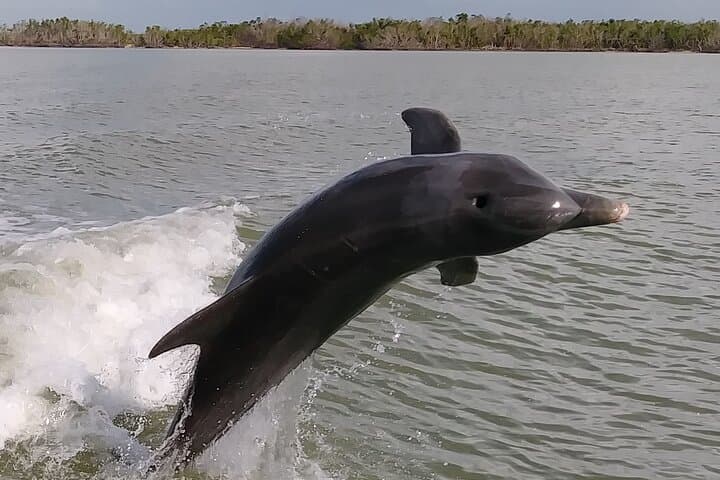
A warm breeze carries salt and the cry of shorebirds as the boat slips away from the marina, engines murmuring under an open sky. In an hour the shoreline thins into channels braided with mangroves; dolphins arc ahead like punctuation marks, and tidal pools glint with the shells you came to find.
A warm breeze carries salt and the cry of shorebirds as the boat slips away from the marina, engines murmuring under an open sky. In an hour the shoreline thins into channels braided with mangroves; dolphins arc ahead like punctuation marks, and tidal pools glint with the shells you came to find.
This stretch of Southwest Florida sits where Pleistocene limestone meets modern tides — a low-lying archipelago shaped by rising seas, mangrove accretion and centuries of human use. The Calusa once navigated these waters in dugouts; modern visitors come for wildlife and the odd spectacle of the Cape Romano dome homes, concrete shells that weather storms and time.
Expect a two-part outing: a guided eco-boat cruise led by a certified naturalist to scout for dolphins, manatees and wading birds, then a guided walk across a remote barrier island through intertidal flats and shell-strewn beach. The terrain is flat but variable — shifting sand, exposed shell beds and shallow tidal pools that demand steady footing and attention to tides.
Practical touches: arrive 20–25 minutes early for parking and restrooms; board via ladder unless alternate boarding is requested; infants must sit on laps. Morning departures are recommended June–October to avoid afternoon storms and to maximize wildlife activity. Bring sun protection, a re-fillable water bottle, closed-toe shoes for shelling and a dry bag for cameras. Respect nesting birds and avoid removing live shells. With clear weather this half-day trip delivers easy access to big vistas, rich birdlife and some of the best shell collecting in Florida.