THE ADVENTURE COLLECTIVE® · Independent discovery and booking for outdoor travel

Climb the famous limestone stairway to panoramic ocean views, then drop into clear water to snorkel a healthy fringing reef. This guide explains what to expect at Bonaire’s 1000 Steps—scenery, logistics, and how to make the most of the visit.
Climb the famous limestone stairway to panoramic ocean views, then drop into clear water to snorkel a healthy fringing reef. This guide explains what to expect at Bonaire’s 1000 Steps—scenery, logistics, and how to make the most of the visit.
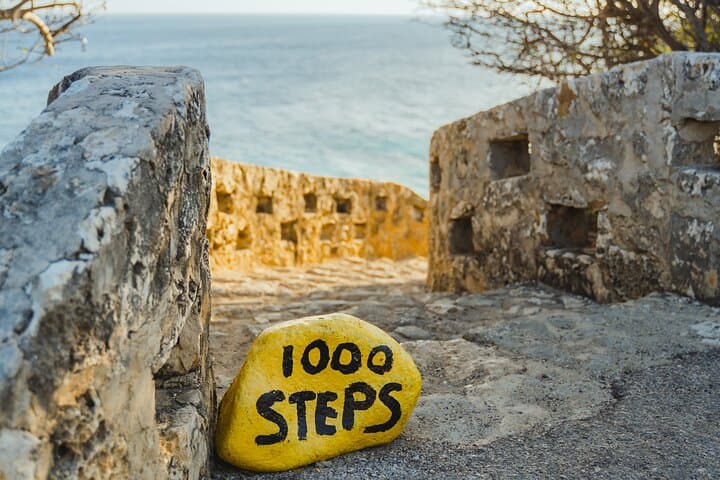
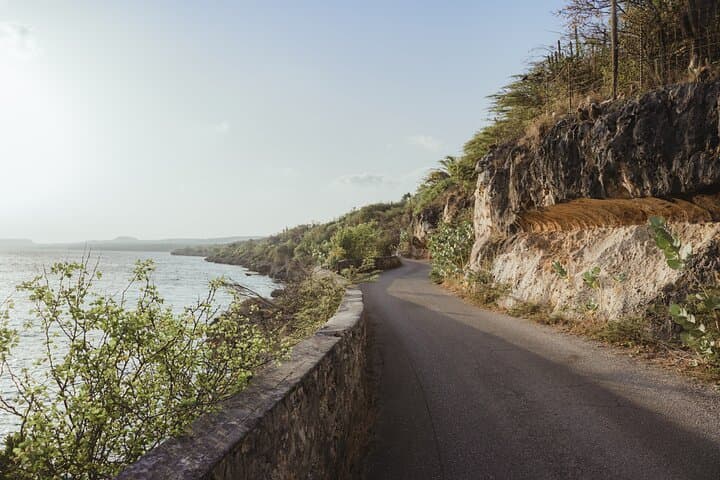
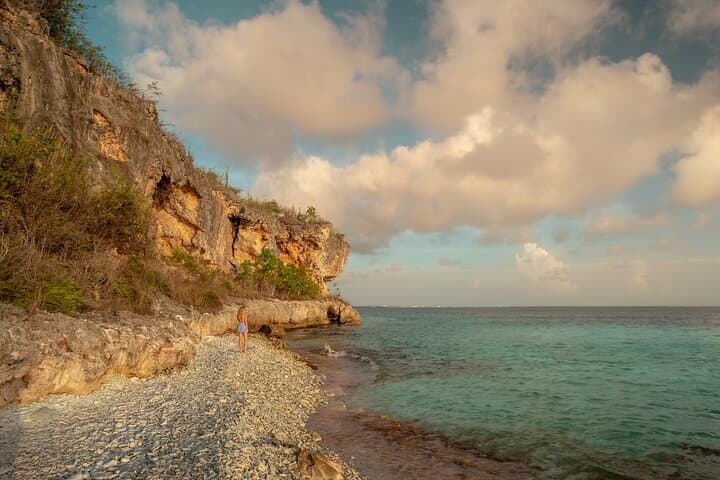
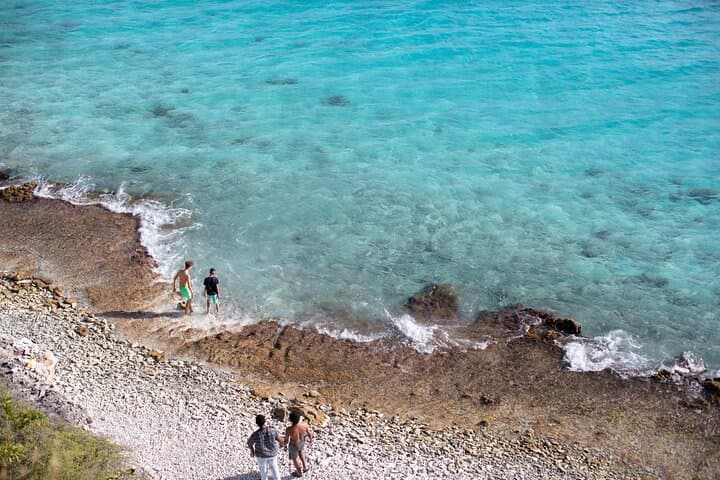
A wind-washed ridge opens up to turquoise ocean and a narrow limestone stairway that drops toward the surf. At the top of 1000 Steps the horizon stretches, the reef glinting like a strip of color below; waves polish the black rocks and the air smells faintly of salt and sun-warmed stone.
Verified experiences and guided adventures in the surrounding area.
Operated by bonaire-taxi.com · Kralendijk, Bonaire
A wind-washed ridge opens up to turquoise ocean and a narrow limestone stairway that drops toward the surf. At the top of 1000 Steps the horizon stretches, the reef glinting like a strip of color below; waves polish the black rocks and the air smells faintly of salt and sun-warmed stone.
The staircase—misnamed but memorable—was carved into limestone that tells Bonaire’s geological story: uplifted coral and fossilized reef exposed to wind and sun. Historically, the west coast has long been a working shoreline for local fishers and salt collectors; today the site is visited for its views and access to one of the island’s healthy fringing reefs.
Culture here is low-key and practical: locals value reef stewardship and expect visitors to carry out what they carry in. Marine life is bold close to shore—parrotfish and angelfish patrol the coral, and sea turtles are regular visitors to the shallow reef.
Practical guidance: the descent is uneven limestone with a short staircase section—sturdy shoes are recommended even if you plan to snorkel. Bring your own snorkel gear; there are no rentals on-site. Expect 60–90 minutes on the ground for viewpoints and swimming, longer if you fully explore the reef. Sun protection, plenty of water, and reef-safe sunscreen are essential. Transportation is typically by air-conditioned vehicle from Kralendijk; guided stops let you time the visit for calmer water. Respect marked paths and avoid stepping on coral—both the reef and the stairs reward careful attention with some of Bonaire’s clearest water and closest encounters with marine life.
challenging.
1½–2 hours.
Should be in good physical shape — ability to manage uneven limestone steps, short steep sections, and swim in open water.
No—the name is traditional rather than literal; the stair section is far shorter, though the approach includes uneven rock and small climbs.
No formal facilities or equipment rentals are available at 1000 Steps; plan to bring water, snacks, and your own snorkel gear.
The reef is shallow and accessible, but currents and surf can vary—snorkel with a buddy, stay within your comfort zone, and avoid entering in rough conditions.
Yes—visitors can drive or taxi to the viewpoint from Kralendijk, but many choose guided transfers for convenience and local timing advice.
The coastline reflects uplifted coral reef and a local shoreline economy historically tied to fishing and salt; the steps became a popular visitor landmark over time.
Bonaire maintains active reef protection policies—use reef-safe sunscreen, avoid touching coral, and follow local guidance to minimize impact.
bonaire-taxi.com operates guided outdoor trips and adventures with an emphasis on safety, stewardship, and memorable experiences.
A wind-washed ridge opens up to turquoise ocean and a narrow limestone stairway that drops toward the surf. At the top of 1000 Steps the horizon stretches, the reef glinting like a strip of color below; waves polish the black rocks and the air smells faintly of salt and sun-warmed stone.
A wind-washed ridge opens up to turquoise ocean and a narrow limestone stairway that drops toward the surf. At the top of 1000 Steps the horizon stretches, the reef glinting like a strip of color below; waves polish the black rocks and the air smells faintly of salt and sun-warmed stone.
The staircase—misnamed but memorable—was carved into limestone that tells Bonaire’s geological story: uplifted coral and fossilized reef exposed to wind and sun. Historically, the west coast has long been a working shoreline for local fishers and salt collectors; today the site is visited for its views and access to one of the island’s healthy fringing reefs.
Culture here is low-key and practical: locals value reef stewardship and expect visitors to carry out what they carry in. Marine life is bold close to shore—parrotfish and angelfish patrol the coral, and sea turtles are regular visitors to the shallow reef.
Practical guidance: the descent is uneven limestone with a short staircase section—sturdy shoes are recommended even if you plan to snorkel. Bring your own snorkel gear; there are no rentals on-site. Expect 60–90 minutes on the ground for viewpoints and swimming, longer if you fully explore the reef. Sun protection, plenty of water, and reef-safe sunscreen are essential. Transportation is typically by air-conditioned vehicle from Kralendijk; guided stops let you time the visit for calmer water. Respect marked paths and avoid stepping on coral—both the reef and the stairs reward careful attention with some of Bonaire’s clearest water and closest encounters with marine life.