THE ADVENTURE COLLECTIVE® · Independent discovery and booking for outdoor travel

From Negombo’s lagoon to the misted tea terraces of Nuwara Eliya and the elephant herds of Minneriya and Yala, this 10-night, 11-day route stitches Sri Lanka’s cultural history and wildlife into a single journey. Expect temple climbs, train panoramas, and game drives with practical tips for timing, gear, and etiquette.
From Negombo’s lagoon to the misted tea terraces of Nuwara Eliya and the elephant herds of Minneriya and Yala, this 10-night, 11-day route stitches Sri Lanka’s cultural history and wildlife into a single journey. Expect temple climbs, train panoramas, and game drives with practical tips for timing, gear, and etiquette.
The first light over Negombo slaps the lagoon bright and flat; fishing boats bob like small promises, and a driver waits with a chilled bottle of water and a polite smile. From that gentle Atlantic edge the itinerary unfurls—ancient stupas ringed by banyans, a fortress city where Dutch bricks still wear the sea, misted tea terraces rising into temperate air, and national parks where elephants gather like weather.
Verified experiences and guided adventures in the surrounding area.
Operated by Hellow Travel · Colombo, Western Province
The first light over Negombo slaps the lagoon bright and flat; fishing boats bob like small promises, and a driver waits with a chilled bottle of water and a polite smile. From that gentle Atlantic edge the itinerary unfurls—ancient stupas ringed by banyans, a fortress city where Dutch bricks still wear the sea, misted tea terraces rising into temperate air, and national parks where elephants gather like weather.
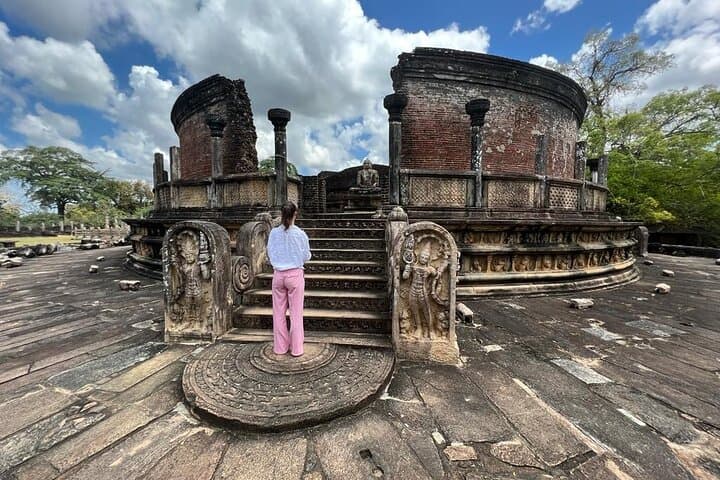
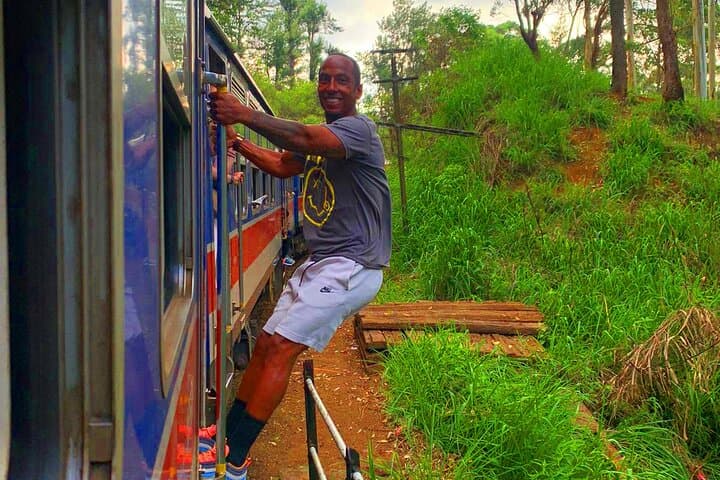
This 10-night, 11-day route threads Sri Lanka’s layers of time and terrain. Travelers move from the shallow lagoons and Portuguese-Dutch colonial remnants of Negombo and Galle to Anuradhapura and Polonnaruwa, the island’s first and second capitals, where brick stupas and irrigation tanks date back centuries and reveal early hydraulic engineering. Sigiriya’s 200-meter rock rises abruptly from the plains; King Kasyapa’s palace site and its mirror wall preserve fresco fragments and graffiti from medieval pilgrims. The central highlands — Nuwara Eliya at roughly 1,800 meters — produce the island’s celebrated teas, a landscape of neatly trimmed bushes, waterfalls, and rail lines that have become one of Asia’s most photographed train rides.
Geology and climate carve this itinerary. The dry zone’s red soils and ancient tanks give way to amphibolite ridges and wet zones as roads climb to tea country. Cultural layers overlap: Buddhist reliquaries in Kandy still shape local politics; Galle Fort records Portuguese and Dutch maritime competition in coral-limestone ramparts.
For the traveler: expect varied pacing. Sigiriya’s climb is steep and can take 45–90 minutes round-trip depending on fitness; Little Adam’s Peak is a gentle 30–60 minute scramble through tea terraces. Safari drives in Minneriya and Yala are best in early morning or late afternoon when elephants and leopards are active; plan 3–4 hour drives. Train segments require patience and reward with uninterrupted views of waterfalls, valleys, and patchwork plantations.
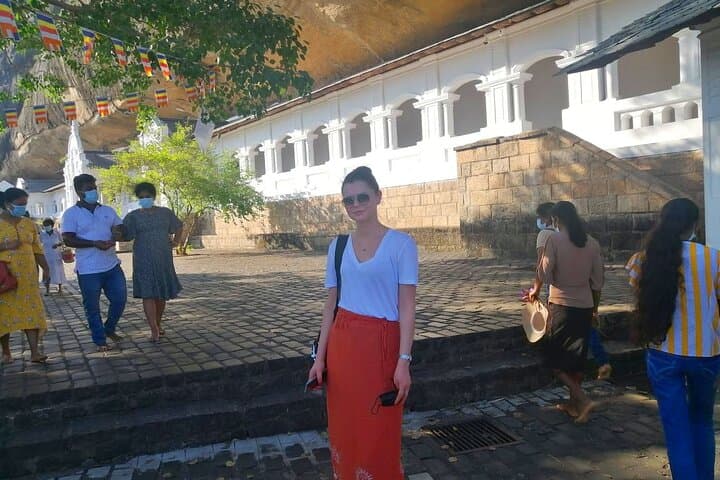
Practical edge: pack layered clothing for the highlands, sun protection for the plains, and sturdy footwear for uneven temple steps and jungle trails. Bring a light rain shell—tropical convection can produce sudden downpours—and binoculars for game viewing. Respect temple dress codes: shoulders and knees covered, shoes left at entrances. Use licensed guides in parks and avoid flash photography near wildlife and sacred relics.
This tour is private and transport-inclusive, offering a compact way to sample history, wildlife, and landscapes without the guesswork of independent logistics. Travelers who prefer to move deliberately will find quiet alleys in Galle, dawn tea-plucking demonstrations in Nuwara Eliya, and night turtle releases along the southern coast—each a reminder that the island’s best experiences arrive when you step off the bus and listen.
moderate.
10–11 days.
Moderate fitness recommended: able to handle 1–3 hours of walking or standing on several days, some stair/climb sections, and occasional early starts.
Yes, the package includes accommodations and transportation between itinerary stops; specific pickup from hotels or the airport is provided.
December–March offers the most consistent weather across the west and central highlands; June–September can be preferable for east coast and Yala visits.
Some admissions are not included—tickets to certain parks and heritage sites are typically purchased on-site or can be arranged by the operator in advance.
The operator lists wheelchair accessibility and stroller access, but many heritage sites have steps and uneven surfaces—confirm specific mobility needs before booking.
Yes—special dietary needs can be communicated at booking and most accommodations can provide alternatives, particularly vegetarian options common in Sri Lanka.
Most travelers require an electronic travel authorization (ETA) before arrival; routine vaccines are recommended and check current health advisories for updates.
Anuradhapura and Polonnaruwa were major capitals of ancient Sri Lanka, showcasing early irrigation engineering and Buddhist architecture from the 4th century BCE onward.
Support licensed guides and responsible national parks; choose turtle hatcheries and wildlife operators that prioritize rearing and release programs and avoid disturbing nesting beaches.
Hellow Travel operates guided outdoor trips and adventures with an emphasis on safety, stewardship, and memorable experiences.
The first light over Negombo slaps the lagoon bright and flat; fishing boats bob like small promises, and a driver waits with a chilled bottle of water and a polite smile. From that gentle Atlantic edge the itinerary unfurls—ancient stupas ringed by banyans, a fortress city where Dutch bricks still wear the sea, misted tea terraces rising into temperate air, and national parks where elephants gather like weather.
The first light over Negombo slaps the lagoon bright and flat; fishing boats bob like small promises, and a driver waits with a chilled bottle of water and a polite smile. From that gentle Atlantic edge the itinerary unfurls—ancient stupas ringed by banyans, a fortress city where Dutch bricks still wear the sea, misted tea terraces rising into temperate air, and national parks where elephants gather like weather.
This 10-night, 11-day route threads Sri Lanka’s layers of time and terrain. Travelers move from the shallow lagoons and Portuguese-Dutch colonial remnants of Negombo and Galle to Anuradhapura and Polonnaruwa, the island’s first and second capitals, where brick stupas and irrigation tanks date back centuries and reveal early hydraulic engineering. Sigiriya’s 200-meter rock rises abruptly from the plains; King Kasyapa’s palace site and its mirror wall preserve fresco fragments and graffiti from medieval pilgrims. The central highlands — Nuwara Eliya at roughly 1,800 meters — produce the island’s celebrated teas, a landscape of neatly trimmed bushes, waterfalls, and rail lines that have become one of Asia’s most photographed train rides.
Geology and climate carve this itinerary. The dry zone’s red soils and ancient tanks give way to amphibolite ridges and wet zones as roads climb to tea country. Cultural layers overlap: Buddhist reliquaries in Kandy still shape local politics; Galle Fort records Portuguese and Dutch maritime competition in coral-limestone ramparts.
For the traveler: expect varied pacing. Sigiriya’s climb is steep and can take 45–90 minutes round-trip depending on fitness; Little Adam’s Peak is a gentle 30–60 minute scramble through tea terraces. Safari drives in Minneriya and Yala are best in early morning or late afternoon when elephants and leopards are active; plan 3–4 hour drives. Train segments require patience and reward with uninterrupted views of waterfalls, valleys, and patchwork plantations.
Practical edge: pack layered clothing for the highlands, sun protection for the plains, and sturdy footwear for uneven temple steps and jungle trails. Bring a light rain shell—tropical convection can produce sudden downpours—and binoculars for game viewing. Respect temple dress codes: shoulders and knees covered, shoes left at entrances. Use licensed guides in parks and avoid flash photography near wildlife and sacred relics.
This tour is private and transport-inclusive, offering a compact way to sample history, wildlife, and landscapes without the guesswork of independent logistics. Travelers who prefer to move deliberately will find quiet alleys in Galle, dawn tea-plucking demonstrations in Nuwara Eliya, and night turtle releases along the southern coast—each a reminder that the island’s best experiences arrive when you step off the bus and listen.