THE ADVENTURE COLLECTIVE® · Independent discovery and booking for outdoor travel

A compact, archaeology-forward route that pairs Cairo’s museums and pyramids with a four-night Nile cruise between Luxor and Aswan. Expect guided temple visits, comfortable hotels and a full‑day trip to Abu Simbel.
A compact, archaeology-forward route that pairs Cairo’s museums and pyramids with a four-night Nile cruise between Luxor and Aswan. Expect guided temple visits, comfortable hotels and a full‑day trip to Abu Simbel.
You step off the plane into Cairo’s dry air and the city’s noise tightens around you like a map being refolded. Within days the skyline of minarets and modern blocks gives way to the broad, reflective band of the Nile; the river pulls you south, slow and deliberate, past date palms and low mud houses until temples appear like stage sets on the horizon.
Verified experiences and guided adventures in the surrounding area.
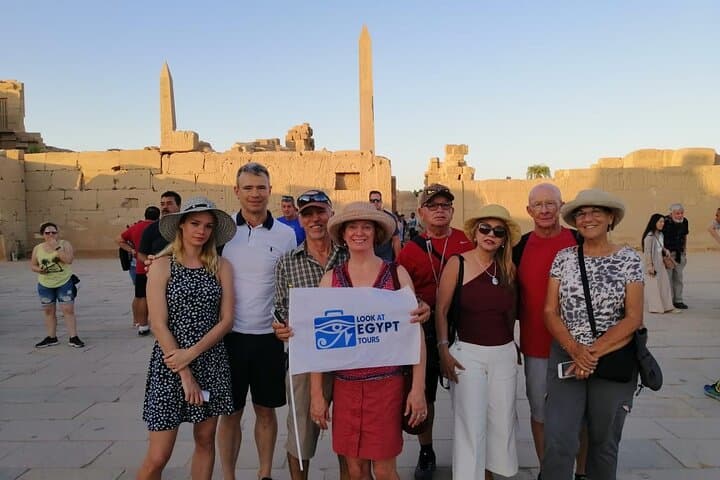
Operated by Look at Egypt Tours · Cairo, Cairo Governorate
You step off the plane into Cairo’s dry air and the city’s noise tightens around you like a map being refolded. Within days the skyline of minarets and modern blocks gives way to the broad, reflective band of the Nile; the river pulls you south, slow and deliberate, past date palms and low mud houses until temples appear like stage sets on the horizon.
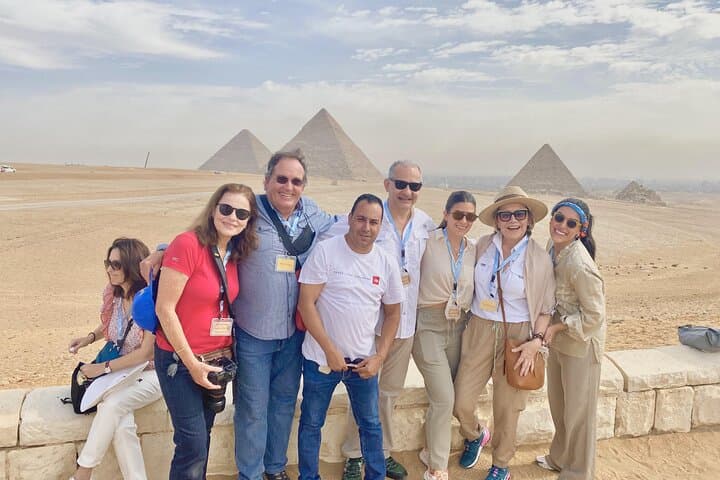
This 10‑day itinerary threads Egypt’s highlights: Giza’s pyramids and Saqqara’s Step Pyramid, the Grand Egyptian Museum, Luxor’s Karnak and the Valley of the Kings, then a four‑night Nile cruise to Edfu, Kom Ombo and Aswan with a long day at Abu Simbel. Geology and engineering meet here — limestone cliffs carved into mortuary temples, sandstone colossi born of Nile silt, and the modern feat of moving Abu Simbel above Lake Nasser in the 1960s.
Expect long-but-manageable days of walking on uneven stone, guided explanations from an Egyptologist, and regular transfers by private vehicle and boat. Practicalities matter: heat is the constant variable — carry water and sun protection, use comfortable closed-toe shoes for temple floors and stairs, and plan for early starts to avoid the hottest midday sun. Respect local customs: modest dress inside religious sites, small cash for tips and market bargaining, and photocopies of travel documents kept separate from originals.
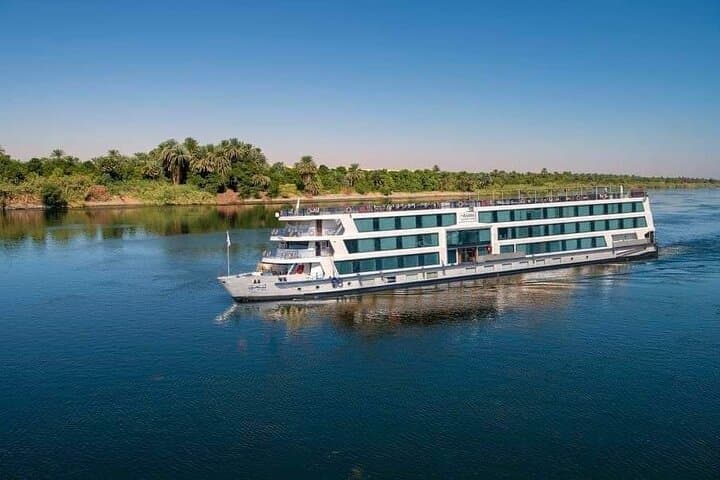
The reward is direct: wall scenes that still speak in color, a river that gently propels your pace, and evenings on deck as the floodplain’s silhouette slides past.
easy.
10 days.
Suitable for travelers with basic mobility who can manage several hours of walking on uneven stone and stairs each day
Most travelers require a visa; rules vary by nationality — check with Egyptian consulates or the tour operator in advance and consider airport visa-on-arrival if eligible.
The itinerary notes wheelchair-accessible options, but many ancient sites have uneven ground and steps; discuss specific needs with the operator before booking.
The schedule prioritizes guided visits with limited free time; some afternoons on the cruise allow independent exploration or rest on deck.
Domestic flights, private transfers and a four-night full-board Nile cruise are included as described in the itinerary.
Sites on this route span prehistoric settlements through Pharaonic dynasties; Abu Simbel was relocated in the 1960s to save it from Lake Nasser after the Aswan High Dam project.
High visitor numbers and microclimate effects threaten painted tombs, so authorities rotate openings and install climate controls; avoid touching reliefs and follow guidance to reduce impact.
Look at Egypt Tours operates guided outdoor trips and adventures with an emphasis on safety, stewardship, and memorable experiences.

You step off the plane into Cairo’s dry air and the city’s noise tightens around you like a map being refolded. Within days the skyline of minarets and modern blocks gives way to the broad, reflective band of the Nile; the river pulls you south, slow and deliberate, past date palms and low mud houses until temples appear like stage sets on the horizon.
You step off the plane into Cairo’s dry air and the city’s noise tightens around you like a map being refolded. Within days the skyline of minarets and modern blocks gives way to the broad, reflective band of the Nile; the river pulls you south, slow and deliberate, past date palms and low mud houses until temples appear like stage sets on the horizon.
This 10‑day itinerary threads Egypt’s highlights: Giza’s pyramids and Saqqara’s Step Pyramid, the Grand Egyptian Museum, Luxor’s Karnak and the Valley of the Kings, then a four‑night Nile cruise to Edfu, Kom Ombo and Aswan with a long day at Abu Simbel. Geology and engineering meet here — limestone cliffs carved into mortuary temples, sandstone colossi born of Nile silt, and the modern feat of moving Abu Simbel above Lake Nasser in the 1960s.
Expect long-but-manageable days of walking on uneven stone, guided explanations from an Egyptologist, and regular transfers by private vehicle and boat. Practicalities matter: heat is the constant variable — carry water and sun protection, use comfortable closed-toe shoes for temple floors and stairs, and plan for early starts to avoid the hottest midday sun. Respect local customs: modest dress inside religious sites, small cash for tips and market bargaining, and photocopies of travel documents kept separate from originals.
The reward is direct: wall scenes that still speak in color, a river that gently propels your pace, and evenings on deck as the floodplain’s silhouette slides past.