THE ADVENTURE COLLECTIVE® · Independent discovery and booking for outdoor travel

Traverse millennia on this 10-day Egypt circuit from Cairo’s pyramids to Abu Simbel’s colossi. Expect long days of guided exploration, Nile-side reprieves, and accessible cultural insights designed for travelers who want depth and efficiency.
Traverse millennia on this 10-day Egypt circuit from Cairo’s pyramids to Abu Simbel’s colossi. Expect long days of guided exploration, Nile-side reprieves, and accessible cultural insights designed for travelers who want depth and efficiency.
You step out of Cairo’s airport into dry heat and granite light; the city hums behind you while the desert stretches like an open page toward the Giza plateau. Over ten days the landscape will change from crowded souks to Nile-swept banks and red sandstone cliffs, and each stop asks you to slow down and look closely.
Verified experiences and guided adventures in the surrounding area.
Operated by Bastet Travel · Cairo, Cairo Governorate
You step out of Cairo’s airport into dry heat and granite light; the city hums behind you while the desert stretches like an open page toward the Giza plateau. Over ten days the landscape will change from crowded souks to Nile-swept banks and red sandstone cliffs, and each stop asks you to slow down and look closely.
The route follows Egypt’s long spine of history — Pharaonic capitals in Memphis, Sakkara’s Step Pyramid, the funerary valleys of Luxor, the cult temples at Abydos and Dendera, and the colossal faces at Abu Simbel. Geology here is part of the story: limestone and granite built the monuments and the Nile’s annual flood once dictated agriculture and settlement. Culturally, an Egyptologist guides your readings of reliefs, revealing dynastic politics and religious practice; in Alexandria, Greco-Roman layers and a Mediterranean harbor temper the desert’s austerity.
Practical guidance: travel moves at a steady clip — expect daily drives, short domestic flights, and extended on-foot tours at temple sites. Temperatures vary widely; mornings are best for fieldwork and photography. Wear sturdy, closed-toe walking shoes for uneven stone and carry a high-capacity water bottle; sunscreen, a wide-brim hat, and lightweight, modest clothing will keep you comfortable and respectful in religious sites.
Book morning visits to iconic sites to avoid both heat and crowds, and budget time for museum queues. Local guides handle logistics and tickets, but learn a few Arabic greetings and carry small bills for tips. Above all, let the scale of the ruins shape your pace — these places reveal themselves slowly, one carved block at a time.
easy.
10 days.
Suitable for travelers in average fitness — involves extended walking on uneven stone and short transfers between sites.
Most nationalities require a visa; check current embassy guidance — many travelers can obtain an e-visa or visa on arrival depending on nationality.
Many transit options and accommodations are wheelchair accessible, but some archaeological sites have uneven surfaces and limited ramps; confirm specifics with the operator before booking.
Expect several hours of walking at sites across varied terrain — from paved museum floors to uneven temple stone — with vehicle transfers between cities.
Yes — the itinerary includes domestic flights (e.g., Cairo–Luxor and Aswan–Cairo) as part of the package, simplifying long transfers.
This itinerary traces Egypt’s ancient political and religious centers; the temples and tombs span from Old Kingdom stonework to New Kingdom imperial grandeur.
Visitor impact is concentrated at fragile reliefs and tomb interiors; follow guide instructions, avoid touching carvings, and reduce single-use plastics to support site preservation.
Bastet Travel operates guided outdoor trips and adventures with an emphasis on safety, stewardship, and memorable experiences.
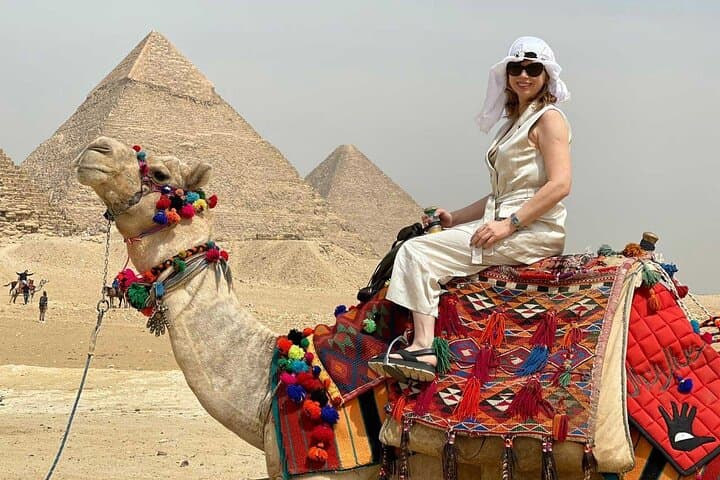
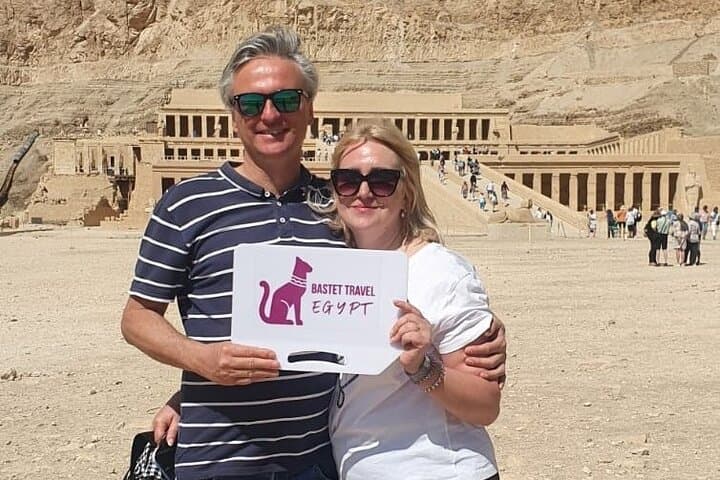
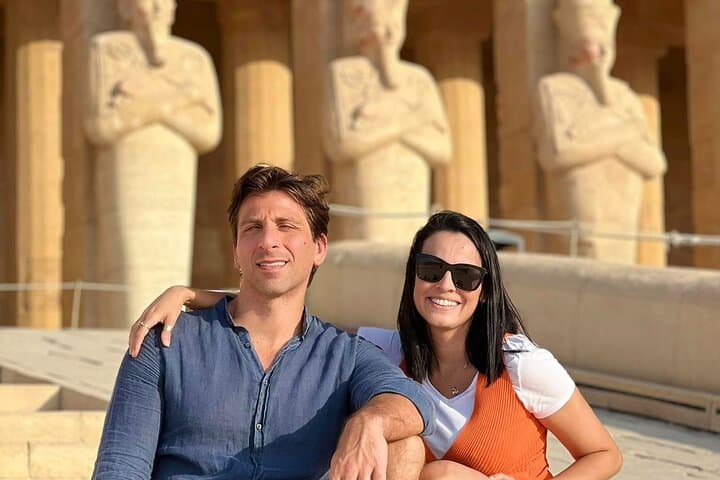
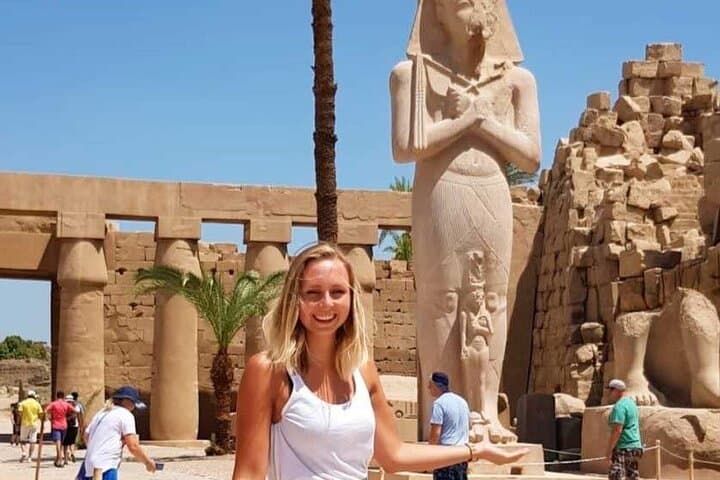
You step out of Cairo’s airport into dry heat and granite light; the city hums behind you while the desert stretches like an open page toward the Giza plateau. Over ten days the landscape will change from crowded souks to Nile-swept banks and red sandstone cliffs, and each stop asks you to slow down and look closely.
You step out of Cairo’s airport into dry heat and granite light; the city hums behind you while the desert stretches like an open page toward the Giza plateau. Over ten days the landscape will change from crowded souks to Nile-swept banks and red sandstone cliffs, and each stop asks you to slow down and look closely.
The route follows Egypt’s long spine of history — Pharaonic capitals in Memphis, Sakkara’s Step Pyramid, the funerary valleys of Luxor, the cult temples at Abydos and Dendera, and the colossal faces at Abu Simbel. Geology here is part of the story: limestone and granite built the monuments and the Nile’s annual flood once dictated agriculture and settlement. Culturally, an Egyptologist guides your readings of reliefs, revealing dynastic politics and religious practice; in Alexandria, Greco-Roman layers and a Mediterranean harbor temper the desert’s austerity.
Practical guidance: travel moves at a steady clip — expect daily drives, short domestic flights, and extended on-foot tours at temple sites. Temperatures vary widely; mornings are best for fieldwork and photography. Wear sturdy, closed-toe walking shoes for uneven stone and carry a high-capacity water bottle; sunscreen, a wide-brim hat, and lightweight, modest clothing will keep you comfortable and respectful in religious sites.
Book morning visits to iconic sites to avoid both heat and crowds, and budget time for museum queues. Local guides handle logistics and tickets, but learn a few Arabic greetings and carry small bills for tips. Above all, let the scale of the ruins shape your pace — these places reveal themselves slowly, one carved block at a time.