THE ADVENTURE COLLECTIVE® · Independent discovery and booking for outdoor travel

Move from the thunder of Murchison Falls to the humid hush of Bwindi on a 10-day circuit that mixes boat cruises, game drives, chimp tracking and gorilla trekking. Expect long drives, varied terrain and up-close wildlife moments guided by local rangers.
Move from the thunder of Murchison Falls to the humid hush of Bwindi on a 10-day circuit that mixes boat cruises, game drives, chimp tracking and gorilla trekking. Expect long drives, varied terrain and up-close wildlife moments guided by local rangers.
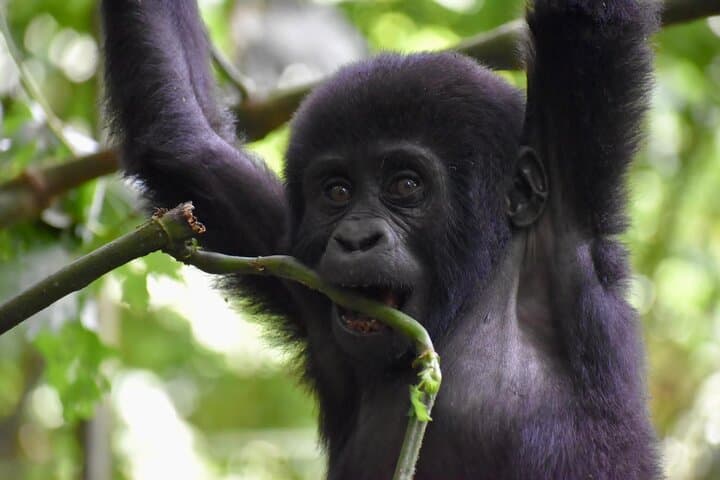
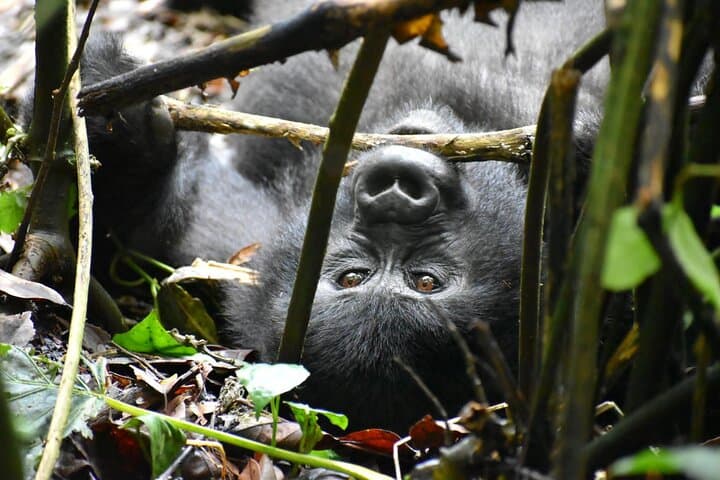
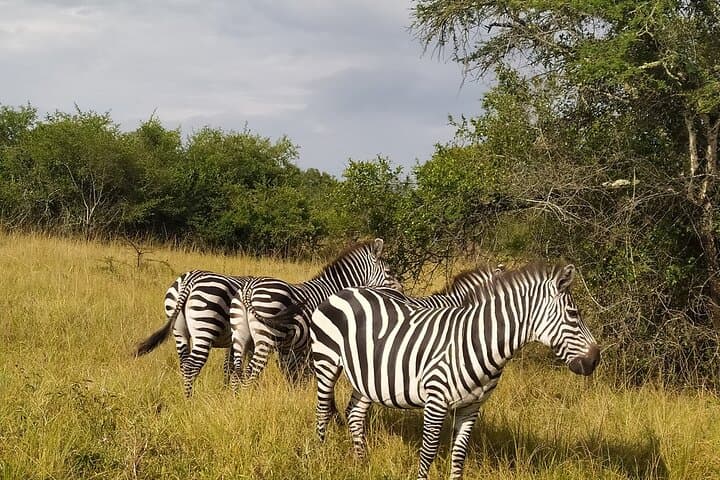
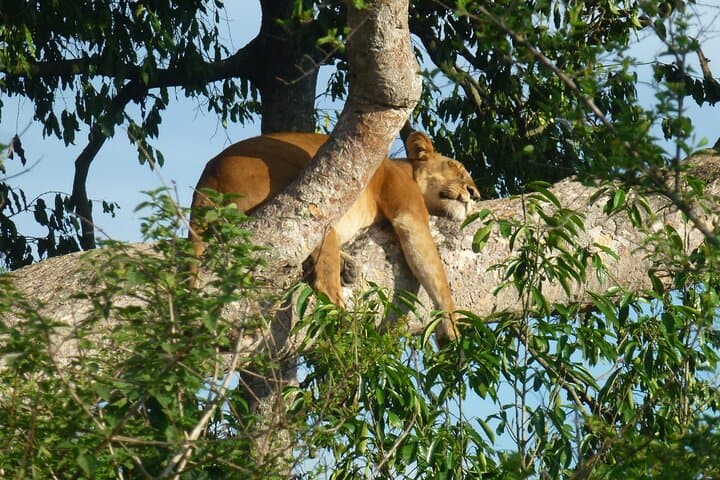
Morning light on the savannah arrives like a slow exhale — dust lifts from acacia roots, hippos grumble in the Kazinga Channel and the forest canopy in Bwindi holds its breath. On this 10-day loop from Kampala, travelers move from wide rivers and open plains to dense montane forest, each day a different rhythm: boat engines murmuring along the Nile, the crunch of dry grass under safari tires, and finally the damp, green hush of gorilla country.
Verified experiences and guided adventures in the surrounding area.
Operated by Alive Africa Adventures · Kampala, Central Region
Morning light on the savannah arrives like a slow exhale — dust lifts from acacia roots, hippos grumble in the Kazinga Channel and the forest canopy in Bwindi holds its breath. On this 10-day loop from Kampala, travelers move from wide rivers and open plains to dense montane forest, each day a different rhythm: boat engines murmuring along the Nile, the crunch of dry grass under safari tires, and finally the damp, green hush of gorilla country.
This route threads Uganda’s ecological seams. Murchison Falls is a hard-knuckled geologic cut where the Victoria Nile squeezes through basalt and drops into a foaming throat; Kibale and Bwindi are ancient forests that harbor primate diversity shaped by millennia of climatic stability. Cultural notes surface in roadside markets and Kigezi highland farms where coffee terraces and banana plantations show the country’s agricultural pulse.
Expect long drives (often 3–6 hours between parks), morning and evening game drives, two boat cruises, chimp tracking in Kibale (1–4 hours of walking) and a gorilla trek in Bwindi that can last 2–8+ hours depending on group location and terrain. Trails vary from flat savannah tracks to steep, muddy, root-strewn climbs with up to several hundred meters of elevation change in places.
Practical edge: pack breathable layers, waterproofs, sturdy ankle-support boots, and a daypack for water, snacks and spare batteries. Acclimate to daily early starts and follow guide rules during primate encounters — move slowly, limit noise and keep distance to reduce disease risk. With preparation, this itinerary delivers close wildlife encounters, varied landscapes and a clear stewardship message — the permits and local guides directly support conservation and communities.
challenging.
10 days.
Should be in good general fitness: able to hike 2–8+ hours across uneven, sometimes steep and muddy terrain and tolerate multi-hour drives.
A gorilla trek can take anywhere from 2 to 8+ hours depending on gorilla movements and trail conditions; trekkers should be prepared for steep and muddy sections.
Yes — a gorilla permit is required and included in most organized packages; permits fund conservation and are limited, so book well in advance.
Consult a travel clinic before departure; malaria risk exists in much of Uganda and preventive medication plus mosquito precautions are recommended.
This itinerary mixes mid-range and luxury lodges near parks, with en-suite rooms, but expect simpler facilities in more remote areas.
Bwindi and Kibale forests are ancient refugia that preserved primates through climatic shifts; Murchison Falls marks a dramatic geological constriction of the Victoria Nile.
Gorilla permits and park fees directly support conservation and community projects; visitors should follow strict viewing rules to minimize disease transmission and habitat disturbance.
Alive Africa Adventures operates guided outdoor trips and adventures with an emphasis on safety, stewardship, and memorable experiences.
Morning light on the savannah arrives like a slow exhale — dust lifts from acacia roots, hippos grumble in the Kazinga Channel and the forest canopy in Bwindi holds its breath. On this 10-day loop from Kampala, travelers move from wide rivers and open plains to dense montane forest, each day a different rhythm: boat engines murmuring along the Nile, the crunch of dry grass under safari tires, and finally the damp, green hush of gorilla country.
Morning light on the savannah arrives like a slow exhale — dust lifts from acacia roots, hippos grumble in the Kazinga Channel and the forest canopy in Bwindi holds its breath. On this 10-day loop from Kampala, travelers move from wide rivers and open plains to dense montane forest, each day a different rhythm: boat engines murmuring along the Nile, the crunch of dry grass under safari tires, and finally the damp, green hush of gorilla country.
This route threads Uganda’s ecological seams. Murchison Falls is a hard-knuckled geologic cut where the Victoria Nile squeezes through basalt and drops into a foaming throat; Kibale and Bwindi are ancient forests that harbor primate diversity shaped by millennia of climatic stability. Cultural notes surface in roadside markets and Kigezi highland farms where coffee terraces and banana plantations show the country’s agricultural pulse.
Expect long drives (often 3–6 hours between parks), morning and evening game drives, two boat cruises, chimp tracking in Kibale (1–4 hours of walking) and a gorilla trek in Bwindi that can last 2–8+ hours depending on group location and terrain. Trails vary from flat savannah tracks to steep, muddy, root-strewn climbs with up to several hundred meters of elevation change in places.
Practical edge: pack breathable layers, waterproofs, sturdy ankle-support boots, and a daypack for water, snacks and spare batteries. Acclimate to daily early starts and follow guide rules during primate encounters — move slowly, limit noise and keep distance to reduce disease risk. With preparation, this itinerary delivers close wildlife encounters, varied landscapes and a clear stewardship message — the permits and local guides directly support conservation and communities.