THE ADVENTURE COLLECTIVE® · Independent discovery and booking for outdoor travel

Cross the Tibetan Plateau from Lhasa to Rongbuk on a compact 10‑day circuit that pairs Everest sunrise with the blue expanse of Namtso. Expect long drives, high passes (up to ~5,200 m), basic guesthouse lodging near the base camp, and cultural immersion at Potala, Jokhang and local monasteries.
Cross the Tibetan Plateau from Lhasa to Rongbuk on a compact 10‑day circuit that pairs Everest sunrise with the blue expanse of Namtso. Expect long drives, high passes (up to ~5,200 m), basic guesthouse lodging near the base camp, and cultural immersion at Potala, Jokhang and local monasteries.
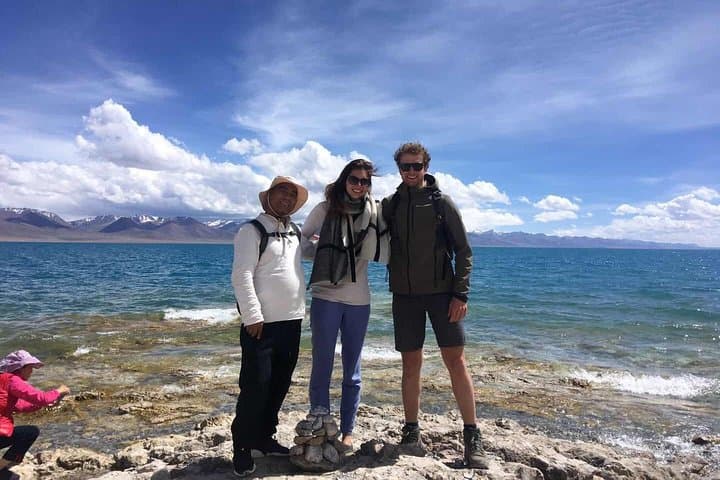
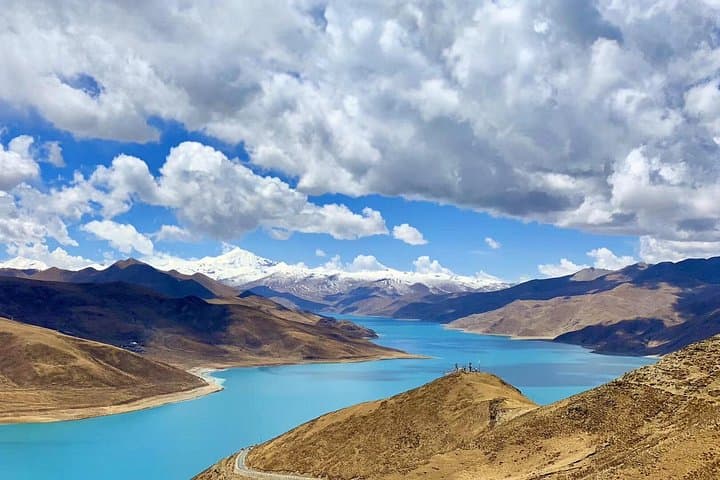
You step out of Lhasa’s thin air and the city feels like a plateau town suspended between prayer flags and sky. Streets hum with yak carts and morning incense; later the road will climb, ribboning over passes where glaciers watch like old sentries. Over ten days you'll move from Lhasa (≈3,600 m) through Gyantse and Shigatse, past Yamdrok-tso and the Gampala Pass (~4,790 m), to Everest Base Camp area at roughly 5,200 m, and loop back via Namtso’s shore and the Stone Elephant Gate.
Verified experiences and guided adventures in the surrounding area.
Operated by Tibet Vista · Lhasa, Tibet Autonomous Region
You step out of Lhasa’s thin air and the city feels like a plateau town suspended between prayer flags and sky. Streets hum with yak carts and morning incense; later the road will climb, ribboning over passes where glaciers watch like old sentries. Over ten days you'll move from Lhasa (≈3,600 m) through Gyantse and Shigatse, past Yamdrok-tso and the Gampala Pass (~4,790 m), to Everest Base Camp area at roughly 5,200 m, and loop back via Namtso’s shore and the Stone Elephant Gate.
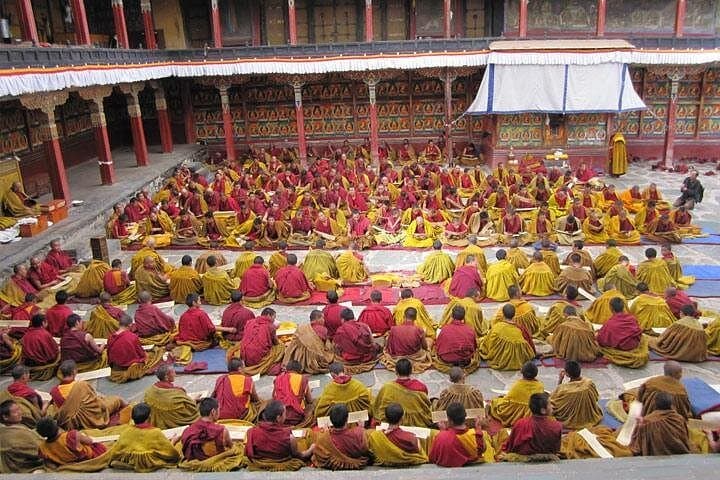
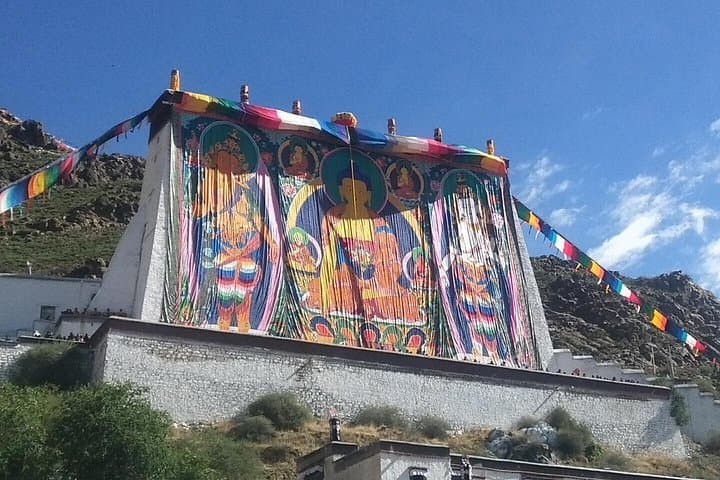
Tibet’s human history is carved into Potala’s white and red walls, Jokhang’s pilgrimage circuit, and century-old monasteries where debates and printing houses persist. Geologically the route crosses the northern edge of the Himalaya and the Nyenchen Thanglha range; roads cut across gravel steppe, glacial moraines, and wind-polished lake benches. Culture rides alongside landscape: nomad tents and yak herds signal seasonal grazing, while prayer flags mark passes and sacred islets on Namtso.
Practically, expect long drives (total >2,000 km), short walks at high altitude, basic guesthouse lodging near Rongbuk, and paved highways interspersed with off-road sections to lakeshore points. Permits are required—organizers handle the Tibet Travel Permit and Alien’s Permit—so book >20 days out and send passport and Chinese L-visa copies early. Prioritize acclimatization (rest day in Lhasa), steady hydration, layered clothing for -10°C nights near EBC, and good ankle-support boots for rocky shorelines and glacier viewpoints. If you respect altitude and local regulations, this circuit rewards with sunrise on Everest, luminous Namtso water, and living Buddhist traditions.
challenging.
10 days.
Moderate to fit — able to endure long vehicle days, short high‑altitude walks, and basic dorm-style lodging at EBC; good cardiovascular conditioning helps.
Yes — travelers must have a Tibet Travel Permit and, if arriving from China, a valid Chinese L visa; the operator assists but you must provide passport and visa copies at least 20 days ahead.
The trip reaches the Rongbuk/EBC area by vehicle with short walks to viewpoints; it's non-technical but physically demanding due to altitude (≈5,200 m).
Mostly 3‑star hotels in Lhasa and Shigatse, with basic dorm-style lodging at Rongbuk Guesthouse near EBC and simple guesthouses near Namtso.
Yes — clear weather can provide dramatic sunrises on Everest from Rongbuk vantage points, but visibility depends on season and local conditions.
The route threads sites central to Tibetan Buddhism: Potala Palace and Jokhang date back to the 7th century, while Gyantse and Tashilhunpo reflect centuries of monastic scholarship and regional power.
The Tibetan Plateau is ecologically fragile; visitors should minimize waste, avoid disturbing pasturelands and follow local limits around Namtso and protected areas to reduce human impact.
Tibet Vista operates guided outdoor trips and adventures with an emphasis on safety, stewardship, and memorable experiences.
You step out of Lhasa’s thin air and the city feels like a plateau town suspended between prayer flags and sky. Streets hum with yak carts and morning incense; later the road will climb, ribboning over passes where glaciers watch like old sentries. Over ten days you'll move from Lhasa (≈3,600 m) through Gyantse and Shigatse, past Yamdrok-tso and the Gampala Pass (~4,790 m), to Everest Base Camp area at roughly 5,200 m, and loop back via Namtso’s shore and the Stone Elephant Gate.
You step out of Lhasa’s thin air and the city feels like a plateau town suspended between prayer flags and sky. Streets hum with yak carts and morning incense; later the road will climb, ribboning over passes where glaciers watch like old sentries. Over ten days you'll move from Lhasa (≈3,600 m) through Gyantse and Shigatse, past Yamdrok-tso and the Gampala Pass (~4,790 m), to Everest Base Camp area at roughly 5,200 m, and loop back via Namtso’s shore and the Stone Elephant Gate.
Tibet’s human history is carved into Potala’s white and red walls, Jokhang’s pilgrimage circuit, and century-old monasteries where debates and printing houses persist. Geologically the route crosses the northern edge of the Himalaya and the Nyenchen Thanglha range; roads cut across gravel steppe, glacial moraines, and wind-polished lake benches. Culture rides alongside landscape: nomad tents and yak herds signal seasonal grazing, while prayer flags mark passes and sacred islets on Namtso.
Practically, expect long drives (total >2,000 km), short walks at high altitude, basic guesthouse lodging near Rongbuk, and paved highways interspersed with off-road sections to lakeshore points. Permits are required—organizers handle the Tibet Travel Permit and Alien’s Permit—so book >20 days out and send passport and Chinese L-visa copies early. Prioritize acclimatization (rest day in Lhasa), steady hydration, layered clothing for -10°C nights near EBC, and good ankle-support boots for rocky shorelines and glacier viewpoints. If you respect altitude and local regulations, this circuit rewards with sunrise on Everest, luminous Namtso water, and living Buddhist traditions.