THE ADVENTURE COLLECTIVE® · Independent discovery and booking for outdoor travel

A 10-day guided circuit from Lhasa to Rombuk blends high-altitude panoramas, sacred monasteries and saltwater lakes. Expect long scenic drives, basic hotels, and spectacular Everest viewpoints—prepare for altitude and variable weather.
A 10-day guided circuit from Lhasa to Rombuk blends high-altitude panoramas, sacred monasteries and saltwater lakes. Expect long scenic drives, basic hotels, and spectacular Everest viewpoints—prepare for altitude and variable weather.
You step off the vehicle and the air is thin, clear as stone. Lhasa’s streets unfold with prayer flags snapping in the wind, the white walls of the Potala rising above the town like a fortress of history. Over ten days the road threads high plateaus, salt-blue lakes and the ragged skyline of the Himalaya until Rombuk monastery frames Everest itself.
Verified experiences and guided adventures in the surrounding area.
Operated by Truly China International Travel Service · Lhasa, Tibet Autonomous Region
You step off the vehicle and the air is thin, clear as stone. Lhasa’s streets unfold with prayer flags snapping in the wind, the white walls of the Potala rising above the town like a fortress of history. Over ten days the road threads high plateaus, salt-blue lakes and the ragged skyline of the Himalaya until Rombuk monastery frames Everest itself.
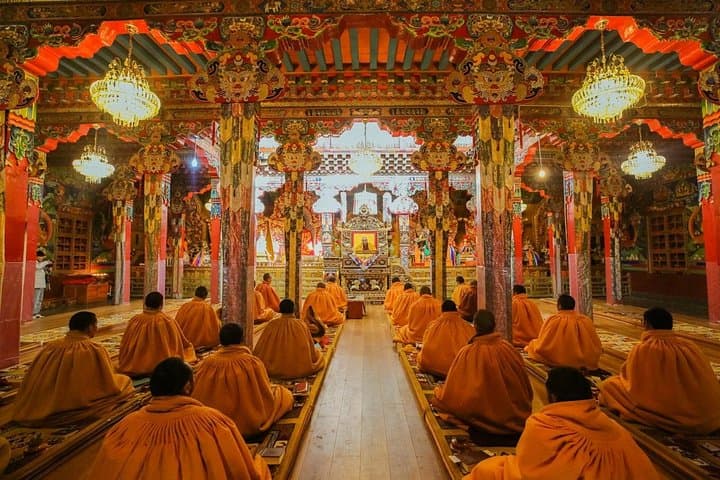
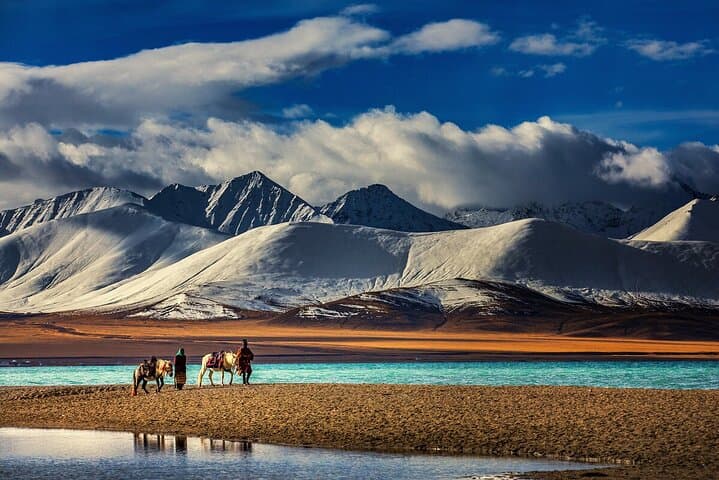
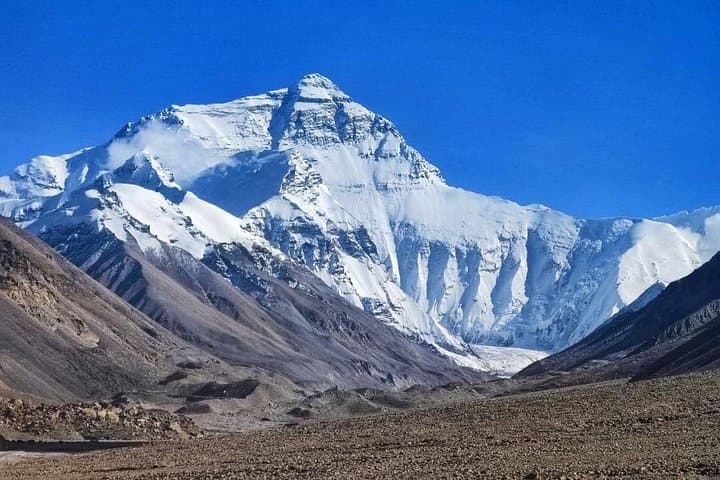
This itinerary moves through Tibet’s cultural core—Lhasa’s Jokhang and Potala, the debating courtyards of Sera, and the Pelkor complex at Gyantse—while tracing geological boundaries where the Indian Plate collides with Asia. Lakes such as Yamdrok and Namtso are high-altitude saline basins carved by tectonic uplift and glacial action; grasslands between towns support barley farming and nomadic yak herding. Rombuk (Rongbuk) offers one of the closest overland perspectives on Everest’s northern face, and small monasteries record centuries of Tibetan Buddhist practice.
Travel here is both cultural and physical: expect long drives across high passes (several above 4,500–5,000 m) with short walks and monastery circuits rather than technical trails. Guides handle logistics and permits, and accommodations are basic Tibet-style hotels in towns.
Practical guidance: acclimatize in Lhasa (3,658 m), drink water, move slowly on the first days, and carry layered clothing for strong sun and sudden wind. Bring cash, a valid Tibet Travel Permit arranged by your operator, and be ready for early starts to catch light on the lakes and mountain vistas.
moderate.
10 days.
Moderate fitness recommended—able to tolerate multiple long drives, short high-altitude walks, and basic hotel stays
Yes—foreign travelers require a Chinese visa and a Tibet Travel Permit arranged through your tour operator prior to arrival; independent travel is restricted.
Lhasa sits at 3,658 m; several passes and stops exceed 4,500 m—plan to acclimatize, avoid alcohol, and take it easy the first two days.
Hotels are Tibet-style 2–3 star in towns on this itinerary, with mostly simple breakfasts included and local restaurants for other meals.
Photography is generally allowed outdoors; inside temples or during rituals, ask your guide—some areas prohibit photos and require respectful behavior.
Central Tibet was the political and religious heartland of Tibetan government for centuries; sites like Potala and Jokhang date to imperial unification and the rise of Tibetan Buddhism under Songtsen Gampo.
High-altitude ecosystems are fragile—stick to roads and marked areas, avoid single-use plastics, and respect local water and grazing resources to minimize impact.
Truly China International Travel Service operates guided outdoor trips and adventures with an emphasis on safety, stewardship, and memorable experiences.
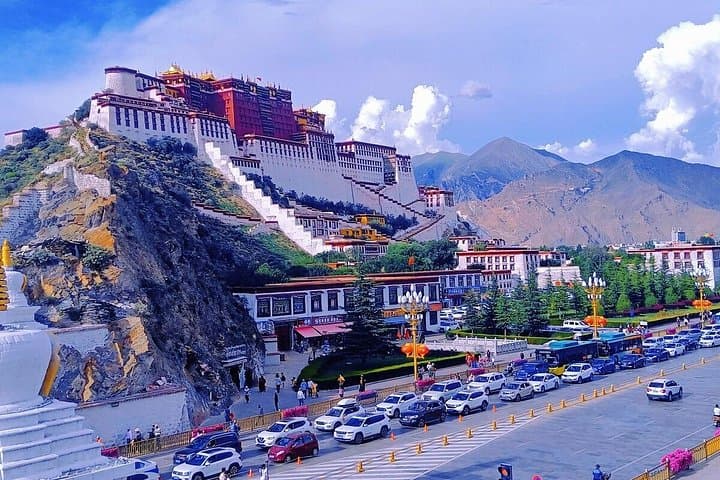
You step off the vehicle and the air is thin, clear as stone. Lhasa’s streets unfold with prayer flags snapping in the wind, the white walls of the Potala rising above the town like a fortress of history. Over ten days the road threads high plateaus, salt-blue lakes and the ragged skyline of the Himalaya until Rombuk monastery frames Everest itself.
You step off the vehicle and the air is thin, clear as stone. Lhasa’s streets unfold with prayer flags snapping in the wind, the white walls of the Potala rising above the town like a fortress of history. Over ten days the road threads high plateaus, salt-blue lakes and the ragged skyline of the Himalaya until Rombuk monastery frames Everest itself.
This itinerary moves through Tibet’s cultural core—Lhasa’s Jokhang and Potala, the debating courtyards of Sera, and the Pelkor complex at Gyantse—while tracing geological boundaries where the Indian Plate collides with Asia. Lakes such as Yamdrok and Namtso are high-altitude saline basins carved by tectonic uplift and glacial action; grasslands between towns support barley farming and nomadic yak herding. Rombuk (Rongbuk) offers one of the closest overland perspectives on Everest’s northern face, and small monasteries record centuries of Tibetan Buddhist practice.
Travel here is both cultural and physical: expect long drives across high passes (several above 4,500–5,000 m) with short walks and monastery circuits rather than technical trails. Guides handle logistics and permits, and accommodations are basic Tibet-style hotels in towns.
Practical guidance: acclimatize in Lhasa (3,658 m), drink water, move slowly on the first days, and carry layered clothing for strong sun and sudden wind. Bring cash, a valid Tibet Travel Permit arranged by your operator, and be ready for early starts to catch light on the lakes and mountain vistas.