THE ADVENTURE COLLECTIVE® · Independent discovery and booking for outdoor travel

Travel Lima’s colonial centers, fly over the enigmatic Nazca Lines, sample pisco and desert oasis life, then ascend through the Sacred Valley to Machu Picchu. This 10-day itinerary blends cultural highlights with manageable outdoor sections and careful acclimatization for high-altitude visits.
Travel Lima’s colonial centers, fly over the enigmatic Nazca Lines, sample pisco and desert oasis life, then ascend through the Sacred Valley to Machu Picchu. This 10-day itinerary blends cultural highlights with manageable outdoor sections and careful acclimatization for high-altitude visits.
You step off the plane in Lima and the Pacific wind pushes your attention toward the city’s cliffs and mosaic parks; a week later the air in Cusco bites cool and thin, as if the Andes themselves are testing your curiosity.
Verified experiences and guided adventures in the surrounding area.
Operated by VIPAC Travel · Cusco, Cusco
You step off the plane in Lima and the Pacific wind pushes your attention toward the city’s cliffs and mosaic parks; a week later the air in Cusco bites cool and thin, as if the Andes themselves are testing your curiosity.
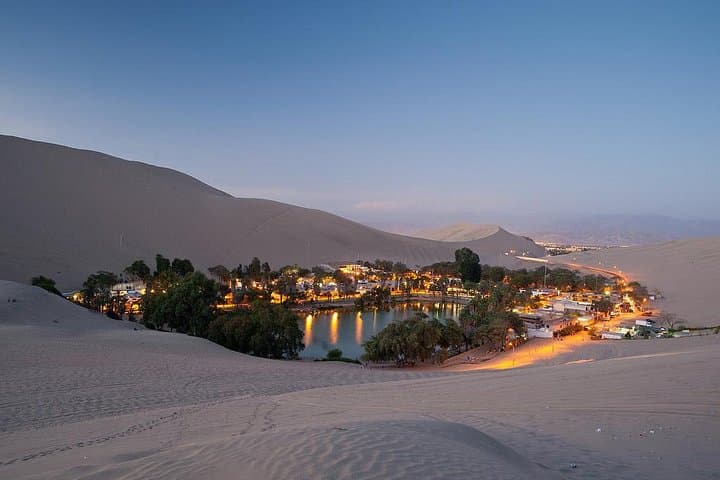
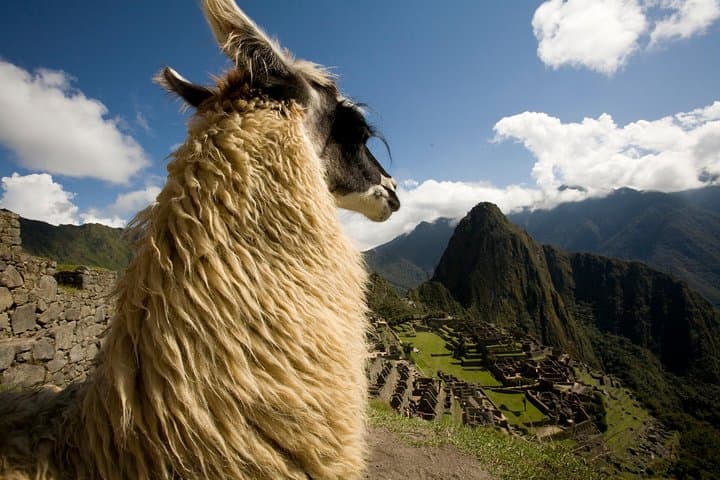
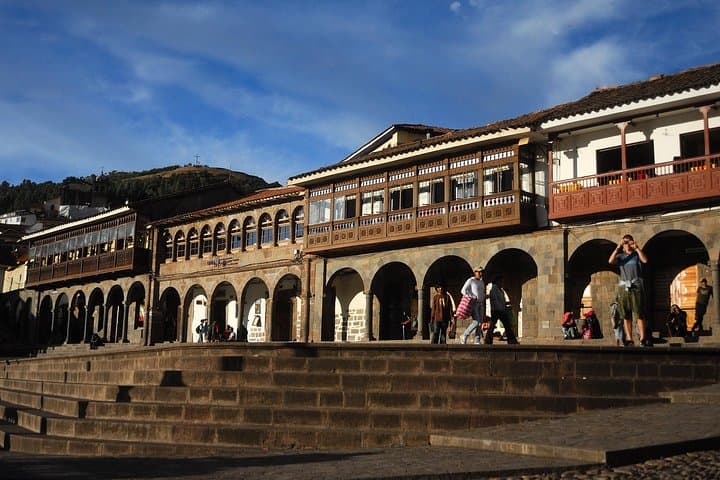
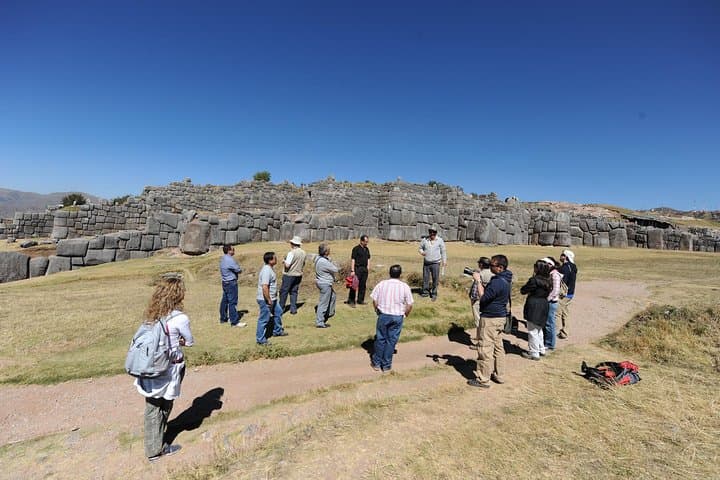
This 10-day route stitches Peru’s coastal deserts and Andean highlands into a single narrative: colonial plazas and pre-Columbian temples in Lima, the aerial mystery of the Nazca Lines over the parched Ica plains, the wine and oasis culture of Tacama and Huacachina, and finally the layered stonework of the Sacred Valley culminating at Machu Picchu (≈2,430 m). Geologically, you move from coastal alluvial plains to uplifted volcanic and sedimentary formations carved by the Urubamba River; culturally, you trace loci of the Inca state—Pisac, Ollantaytambo, Moray—and colonial legacies in Cusco’s cathedrals.
Expect walking tours, short hikes among terraces (elevations 2,700–3,400 m), a 12-passenger overflight of the Nazca geoglyphs, and a train or bus approach to Machu Picchu. The program balances guided museum and market visits with time to acclimatize—critical above 3,000 m. Practical notes: morning flights into Cusco are required for same-day connections; train tickets and Machu Picchu entry are handled locally the day of the visit; altitude medication and layered clothing are smart choices.
This itinerary is for travelers who want culturally rich, outdoors-forward travel without technical mountaineering—expect cobbled streets, steep archaeological terraces, and river canyons that seem to pull you toward the next ridge.
moderate.
10 days.
Moderate fitness recommended—able to walk 2–4 hours over uneven stone terraces and climb stairs at altitude
Yes—altitude affects many travelers; rest on arrival, avoid heavy exertion the first 24–48 hours, stay hydrated, and consult a doctor about medication if you have a history of severe altitude reactions.
Small aircraft are physically safe, but operators recommend children be at least 8 years old due to motion and the flight’s maneuvering; check weight limits and operator guidance.
Train tickets and Machu Picchu entry are typically provided locally the day of the excursion per operator notes—confirm pickup logistics and carry your passport used for booking.
Huayna Picchu requires a separate, limited-capacity ticket; if you want to add it, request it well before travel, as slots sell out early.
The route links pre-Hispanic engineering—Inca agricultural terraces and ceremonial centers—with colonial Lima; Nazca Lines remain an unresolved ancient geoglyph tradition and Tacama winery dates back to the 16th century.
Machu Picchu uses timed visitor circuits and capacity limits to reduce wear; follow leave-no-trace practices, support community-run handicraft markets, and minimize single-use plastics on the tour.
VIPAC Travel operates guided outdoor trips and adventures with an emphasis on safety, stewardship, and memorable experiences.
You step off the plane in Lima and the Pacific wind pushes your attention toward the city’s cliffs and mosaic parks; a week later the air in Cusco bites cool and thin, as if the Andes themselves are testing your curiosity.
You step off the plane in Lima and the Pacific wind pushes your attention toward the city’s cliffs and mosaic parks; a week later the air in Cusco bites cool and thin, as if the Andes themselves are testing your curiosity.
This 10-day route stitches Peru’s coastal deserts and Andean highlands into a single narrative: colonial plazas and pre-Columbian temples in Lima, the aerial mystery of the Nazca Lines over the parched Ica plains, the wine and oasis culture of Tacama and Huacachina, and finally the layered stonework of the Sacred Valley culminating at Machu Picchu (≈2,430 m). Geologically, you move from coastal alluvial plains to uplifted volcanic and sedimentary formations carved by the Urubamba River; culturally, you trace loci of the Inca state—Pisac, Ollantaytambo, Moray—and colonial legacies in Cusco’s cathedrals.
Expect walking tours, short hikes among terraces (elevations 2,700–3,400 m), a 12-passenger overflight of the Nazca geoglyphs, and a train or bus approach to Machu Picchu. The program balances guided museum and market visits with time to acclimatize—critical above 3,000 m. Practical notes: morning flights into Cusco are required for same-day connections; train tickets and Machu Picchu entry are handled locally the day of the visit; altitude medication and layered clothing are smart choices.
This itinerary is for travelers who want culturally rich, outdoors-forward travel without technical mountaineering—expect cobbled streets, steep archaeological terraces, and river canyons that seem to pull you toward the next ridge.