THE ADVENTURE COLLECTIVE® · Independent discovery and booking for outdoor travel

Drive through sweeping deserts, salt pans and Atlantic coast in a compact 10-day loop that pairs Etosha game viewing with Sossusvlei’s towering dunes and cultural stops at Twyfelfontein. Practical routing and local insights make this a manageable, high-impact Namibian self-drive.
Drive through sweeping deserts, salt pans and Atlantic coast in a compact 10-day loop that pairs Etosha game viewing with Sossusvlei’s towering dunes and cultural stops at Twyfelfontein. Practical routing and local insights make this a manageable, high-impact Namibian self-drive.
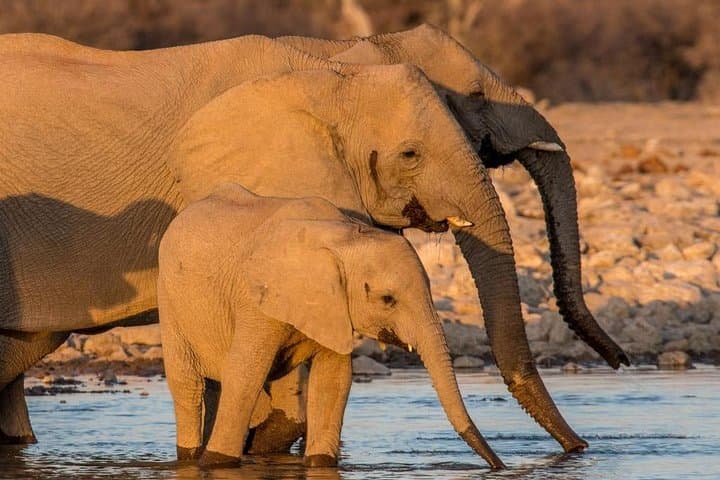
The sun lifts its first blade of light over Windhoek and the dashboard sighs as you tap the gearbox—the road ahead a ribbon of ochre and asphalt. On day one the city dissolves into flat, herb-sprigged plains; by day three you are watching elephant herds silhouette against the white crust of the Etosha pan. This is a route that moves between extremes: coastal wind that shaves the skin at Swakopmund, the cold, blue hush of Deadvlei, and the blood-orange dunes of Sossusvlei that challenge you to climb them.
Verified experiences and guided adventures in the surrounding area.
Operated by Motema Tours and Safaris Namibia · Windhoek, Khomas
The sun lifts its first blade of light over Windhoek and the dashboard sighs as you tap the gearbox—the road ahead a ribbon of ochre and asphalt. On day one the city dissolves into flat, herb-sprigged plains; by day three you are watching elephant herds silhouette against the white crust of the Etosha pan. This is a route that moves between extremes: coastal wind that shaves the skin at Swakopmund, the cold, blue hush of Deadvlei, and the blood-orange dunes of Sossusvlei that challenge you to climb them.
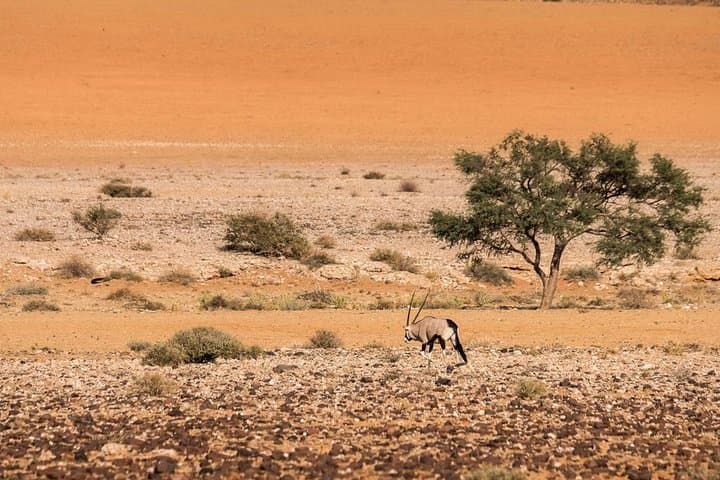
Namibia’s landscape was written in long, patient geological strokes. The Namib Desert is one of the world’s oldest deserts, its dunes built by wind and time; the Etosha Pan is a remnant of an ancient lake, a salt mirror that draws wildlife where water is rare. Human history here is equally layered—rock engravings at Twyfelfontein date back thousands of years, while living cultures like the Himba and Damara keep practices that connect people directly to this arid land.
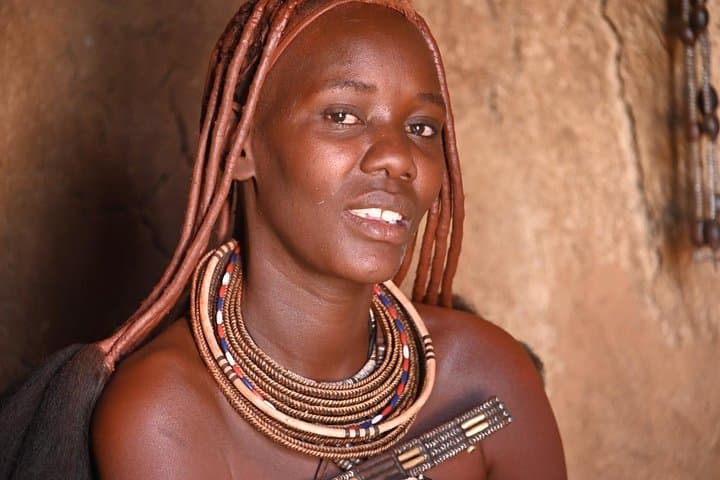
Cultural moments on the itinerary are deliberate: a guided visit to a Himba village that foregrounds everyday life rather than spectacle, and the Damara Living Museum that explains adaptive craftsmanship and foodways that persist in a dry climate. In coastal towns like Swakopmund, German colonial architecture and seafood cafés offer contrast to inland lodges where evenings are quiet and the sky is loud with stars.
Practical planning makes or breaks a self-drive across Namibia. Expect long daily drives—Windhoek to Etosha is roughly 400–450 km (4.5–6 hours), Swakopmund to Sossusvlei can be 350–450 km depending on route. Road surfaces alternate between sealed national roads and corrugated gravel; a high-clearance vehicle or 4x4 is recommended. Fuel stations are frequent in towns but sparse in the interior—top up in larger towns and carry extra water and a spare tire. Temperatures swing widely: early mornings in the desert can be chilled; afternoons bake. Permits for national parks and vehicle recovery gear are wise precautions.
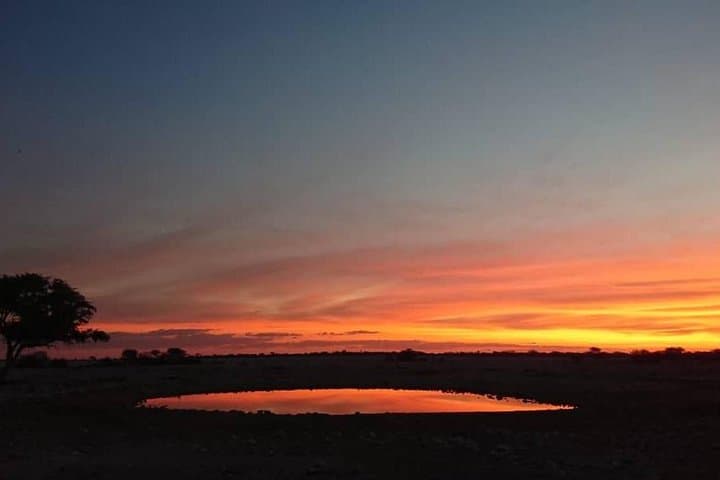
For photographers and first-time visitors, schedule Etosha waterhole time at dusk and dawn when animals converge, and hit Sossusvlei at sunrise to capture depth and shadow on the dunes. Respect local communities—ask before photographing people, and support local artisans at Okahandja craft markets.
This 10-day loop gives you desert geometry and coastal breeze, wildlife encounters and cultural context. With straightforward planning, reliable pacing, and a readiness for wide-open spaces, a self-drive through Namibia becomes less a checklist and more an unfolding country-size experience.
moderate.
10 days.
Average fitness for moderate walking and dune climbs; comfortable sitting for multi-hour drives.
You need park entry tickets for places like Etosha and Namib-Naukluft; these are purchased at park gates or reserve offices—have cash or card ready.
A 2WD can work on main sealed roads but a high-clearance vehicle or 4x4 is recommended for gravel and sandier secondary routes.
The dry season (May–October) concentrates animals at waterholes, making wildlife viewing in Etosha more reliable.
This lodge-based itinerary includes accommodations as listed (e.g., Toshari, Twyfelfontein Lodge), so you’ll have nightly lodging on the route.
The trip is designed as a self-drive lodge tour—no guide required, but local guided excursions are recommended for sites like Twyfelfontein and Himba visits.
Carry some Namibian dollars for remote purchases; ATMs are available in larger towns but scarce in rural areas.
Twyfelfontein’s petroglyphs date back thousands of years and reveal early hunter-gatherer presence; German colonial architecture remains visible in coastal towns like Swakopmund.
Many reserves manage waterholes to reduce human-wildlife conflict; visitors should stick to roads, avoid feeding animals, and choose lodges that support local conservation initiatives.
Motema Tours and Safaris Namibia operates guided outdoor trips and adventures with an emphasis on safety, stewardship, and memorable experiences.
The sun lifts its first blade of light over Windhoek and the dashboard sighs as you tap the gearbox—the road ahead a ribbon of ochre and asphalt. On day one the city dissolves into flat, herb-sprigged plains; by day three you are watching elephant herds silhouette against the white crust of the Etosha pan. This is a route that moves between extremes: coastal wind that shaves the skin at Swakopmund, the cold, blue hush of Deadvlei, and the blood-orange dunes of Sossusvlei that challenge you to climb them.
The sun lifts its first blade of light over Windhoek and the dashboard sighs as you tap the gearbox—the road ahead a ribbon of ochre and asphalt. On day one the city dissolves into flat, herb-sprigged plains; by day three you are watching elephant herds silhouette against the white crust of the Etosha pan. This is a route that moves between extremes: coastal wind that shaves the skin at Swakopmund, the cold, blue hush of Deadvlei, and the blood-orange dunes of Sossusvlei that challenge you to climb them.
Namibia’s landscape was written in long, patient geological strokes. The Namib Desert is one of the world’s oldest deserts, its dunes built by wind and time; the Etosha Pan is a remnant of an ancient lake, a salt mirror that draws wildlife where water is rare. Human history here is equally layered—rock engravings at Twyfelfontein date back thousands of years, while living cultures like the Himba and Damara keep practices that connect people directly to this arid land.
Cultural moments on the itinerary are deliberate: a guided visit to a Himba village that foregrounds everyday life rather than spectacle, and the Damara Living Museum that explains adaptive craftsmanship and foodways that persist in a dry climate. In coastal towns like Swakopmund, German colonial architecture and seafood cafés offer contrast to inland lodges where evenings are quiet and the sky is loud with stars.
Practical planning makes or breaks a self-drive across Namibia. Expect long daily drives—Windhoek to Etosha is roughly 400–450 km (4.5–6 hours), Swakopmund to Sossusvlei can be 350–450 km depending on route. Road surfaces alternate between sealed national roads and corrugated gravel; a high-clearance vehicle or 4x4 is recommended. Fuel stations are frequent in towns but sparse in the interior—top up in larger towns and carry extra water and a spare tire. Temperatures swing widely: early mornings in the desert can be chilled; afternoons bake. Permits for national parks and vehicle recovery gear are wise precautions.
For photographers and first-time visitors, schedule Etosha waterhole time at dusk and dawn when animals converge, and hit Sossusvlei at sunrise to capture depth and shadow on the dunes. Respect local communities—ask before photographing people, and support local artisans at Okahandja craft markets.
This 10-day loop gives you desert geometry and coastal breeze, wildlife encounters and cultural context. With straightforward planning, reliable pacing, and a readiness for wide-open spaces, a self-drive through Namibia becomes less a checklist and more an unfolding country-size experience.