THE ADVENTURE COLLECTIVE® · Independent discovery and booking for outdoor travel

A ten-day loop from Islamabad through Swat, Kalam, Kalash and Chitral takes you from river-cut valleys to high passes and unique mountain cultures. Expect long drives, alpine lakes, forested trails and immersive village encounters—best with a local guide.
A ten-day loop from Islamabad through Swat, Kalam, Kalash and Chitral takes you from river-cut valleys to high passes and unique mountain cultures. Expect long drives, alpine lakes, forested trails and immersive village encounters—best with a local guide.
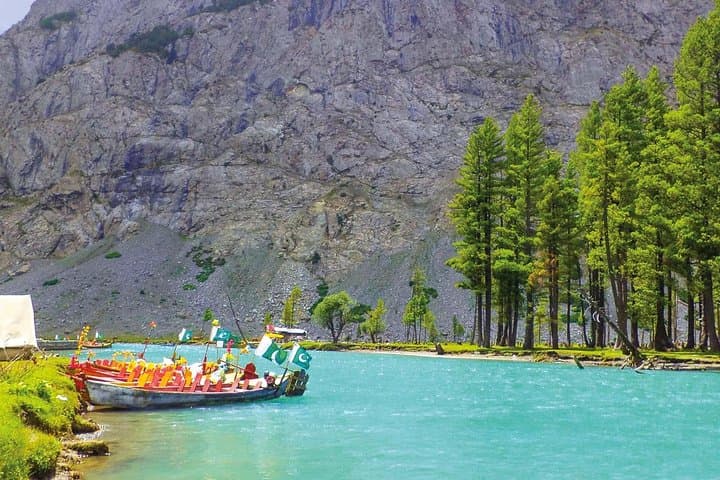
You step off the Islamabad shuttle and the road unspools north—river corridors daring you upward into the Hindu Kush. Over the next ten days the landscape shifts from cultivated plains to steep river gorges, pine-dark forests and high alpine meadows. In Kalam, silver tributaries push through Ushu Forest; at Mahodand Lake the water holds the sky like a cold mirror; the Lowari Pass tests the vehicle and the traveler with winds that always seem to be negotiating their next gust.
Verified experiences and guided adventures in the surrounding area.
Operated by Falcon Adventure Club · Islamabad, Islamabad Capital Territory
You step off the Islamabad shuttle and the road unspools north—river corridors daring you upward into the Hindu Kush. Over the next ten days the landscape shifts from cultivated plains to steep river gorges, pine-dark forests and high alpine meadows. In Kalam, silver tributaries push through Ushu Forest; at Mahodand Lake the water holds the sky like a cold mirror; the Lowari Pass tests the vehicle and the traveler with winds that always seem to be negotiating their next gust.
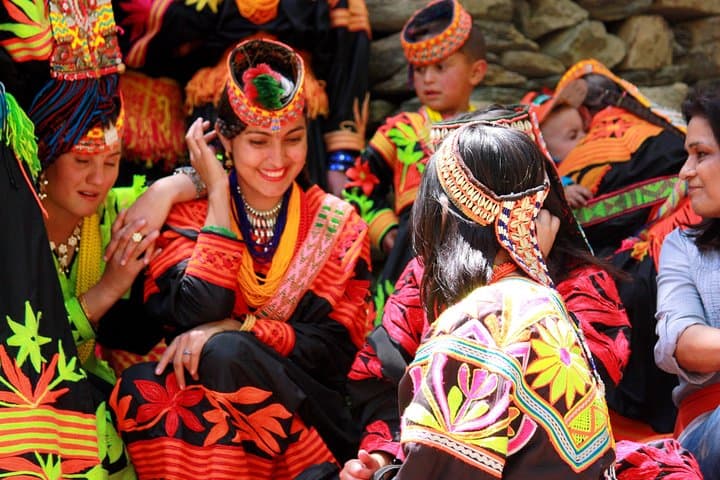
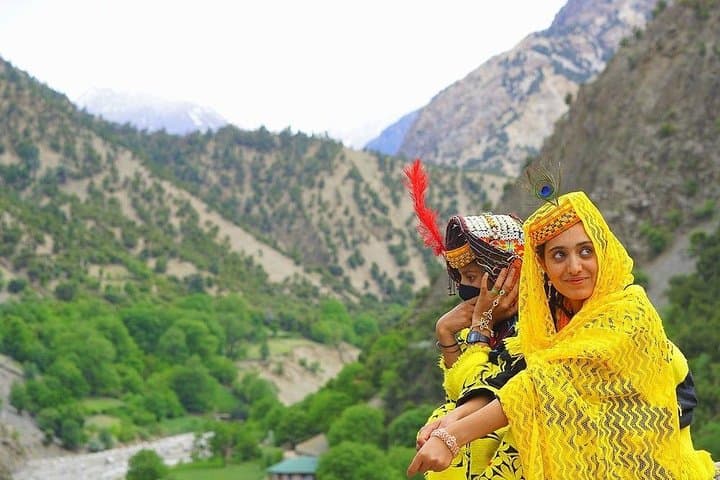
This route threads modern Pakistan with deep history: Gandhara-era relics and Buddhist stupas lie downstream from Mingora, while the Kalash valleys preserve an animist culture with unique festivals, dress and timber homes. Geologically you’re moving along the fold-and-thrust belt of the Hindu Kush—young, steep ranges carved by glaciers and seasonal rivers. Culturally, Chitral’s bazaars trade wool, handwoven caps and stories; local guides translate landscape and lineage with equal care.
Practical guidance: expect long driving days (six to ten hours on mountain roads between major stops), variable surfaces and altitude swings from roughly 500 m (Islamabad) to passes above 3,000 m. Pack layered clothing, a rain shell and sturdy boots; keep cash for remote towns and allow time to acclimatize before higher excursions. Respect Kalash customs, follow Leave No Trace, and travel with a local operator—roads, weather and permits are easier to manage with on-the-ground support. This itinerary delivers lakes, forests, mountain passes and living cultural heritage—best attempted between April and December when roads and services are most reliable.
moderate.
10 days.
Moderate fitness—able to handle multiple days of vehicle travel with short hikes and uneven terrain; comfortable on your feet for 2–4 hour walks.
Most international visitors require a visa arranged before arrival—check your government’s entry requirements and apply in advance.
Roads vary from paved highways to narrow, weather-affected mountain stretches; expect slow, careful driving and occasional rough patches.
Solo travelers can join but should travel with the operator’s guide or group for logistics, safety and local coordination in remote areas.
Cell coverage is intermittent outside major towns; plan for offline maps and keep key contacts provided by your operator.
The Swat corridor preserves remnants of Gandhara-era Buddhist sites and centuries of cross-mountain trade; Kalash communities maintain distinct rites and folk traditions uncommon elsewhere in Pakistan.
Alpine meadows and glacial lakes here are sensitive to litter and changing climate; support local guides, avoid single-use plastics and stick to established paths.
Falcon Adventure Club operates guided outdoor trips and adventures with an emphasis on safety, stewardship, and memorable experiences.
You step off the Islamabad shuttle and the road unspools north—river corridors daring you upward into the Hindu Kush. Over the next ten days the landscape shifts from cultivated plains to steep river gorges, pine-dark forests and high alpine meadows. In Kalam, silver tributaries push through Ushu Forest; at Mahodand Lake the water holds the sky like a cold mirror; the Lowari Pass tests the vehicle and the traveler with winds that always seem to be negotiating their next gust.
You step off the Islamabad shuttle and the road unspools north—river corridors daring you upward into the Hindu Kush. Over the next ten days the landscape shifts from cultivated plains to steep river gorges, pine-dark forests and high alpine meadows. In Kalam, silver tributaries push through Ushu Forest; at Mahodand Lake the water holds the sky like a cold mirror; the Lowari Pass tests the vehicle and the traveler with winds that always seem to be negotiating their next gust.
This route threads modern Pakistan with deep history: Gandhara-era relics and Buddhist stupas lie downstream from Mingora, while the Kalash valleys preserve an animist culture with unique festivals, dress and timber homes. Geologically you’re moving along the fold-and-thrust belt of the Hindu Kush—young, steep ranges carved by glaciers and seasonal rivers. Culturally, Chitral’s bazaars trade wool, handwoven caps and stories; local guides translate landscape and lineage with equal care.
Practical guidance: expect long driving days (six to ten hours on mountain roads between major stops), variable surfaces and altitude swings from roughly 500 m (Islamabad) to passes above 3,000 m. Pack layered clothing, a rain shell and sturdy boots; keep cash for remote towns and allow time to acclimatize before higher excursions. Respect Kalash customs, follow Leave No Trace, and travel with a local operator—roads, weather and permits are easier to manage with on-the-ground support. This itinerary delivers lakes, forests, mountain passes and living cultural heritage—best attempted between April and December when roads and services are most reliable.