THE ADVENTURE COLLECTIVE® · Independent discovery and booking for outdoor travel

A compact, private 10‑day loop through Sri Lanka that pairs Sigiriya’s ancient fortress and mountain tea country with two classic safaris and Mirissa whale watching. Expect varied terrain, early‑morning safaris and scenic drives between coastal beaches and highland plains.
A compact, private 10‑day loop through Sri Lanka that pairs Sigiriya’s ancient fortress and mountain tea country with two classic safaris and Mirissa whale watching. Expect varied terrain, early‑morning safaris and scenic drives between coastal beaches and highland plains.
The first light finds you on a roadside in central Sri Lanka, the engine of an air‑conditioned van humming while palms and paddy fields slide past like pages in a travel journal. Over ten days this private loop moves fast and deliberate—long sandy beaches at Negombo, the vertical drama of Sigiriya rock, the cool tea terraces around Nuwara Eliya, two full safaris and a morning at sea chasing whales off Mirissa. It reads like a sampler of the island, but each stop holds an independent, tactile appeal.
Verified experiences and guided adventures in the surrounding area.
Operated by Green Leaf Holidays · Sigiriya, Central Province
The first light finds you on a roadside in central Sri Lanka, the engine of an air‑conditioned van humming while palms and paddy fields slide past like pages in a travel journal. Over ten days this private loop moves fast and deliberate—long sandy beaches at Negombo, the vertical drama of Sigiriya rock, the cool tea terraces around Nuwara Eliya, two full safaris and a morning at sea chasing whales off Mirissa. It reads like a sampler of the island, but each stop holds an independent, tactile appeal.
Sigiriya’s crag rises about 200 meters from the plain; climbing its steel steps means shifting between frescoed galleries, a crown of jagged boulders and a view across scrubland and reservoirs. The rock is a 5th‑century imprint of King Kashyapa’s ambition—palace ruins and engineered water gardens that reveal early hydraulic ingenuity more than courtly vanity.
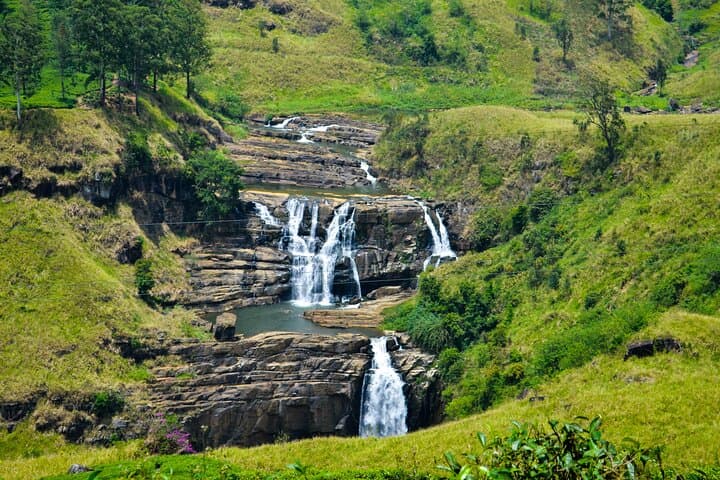
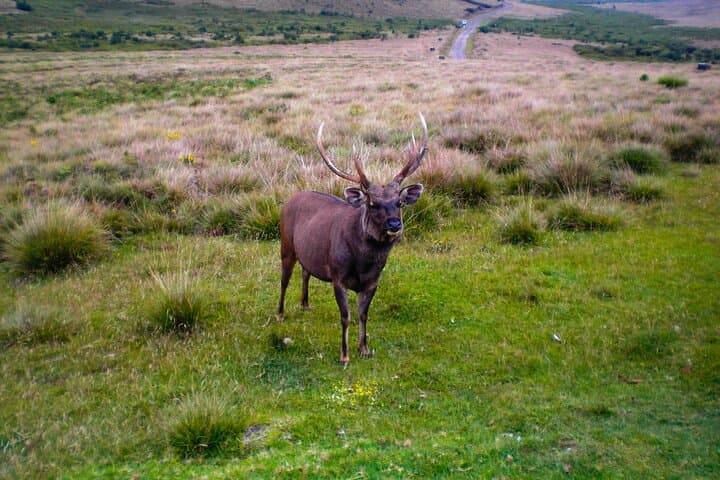
From the dry lowlands you’re carried up into the hill country where Nuwara Eliya sits at roughly 1,900 meters. The climate cools, tea estates roll in geometric green waves, and the Horton Plains plateau offers a short but sharp hike (plan for a 6–9 km loop with modest elevation changes and exposed windy sections to World’s End). Geology here is old gneiss and granite carved by erosion into rounded hills; the soil and rainfall make it tea country for a reason.
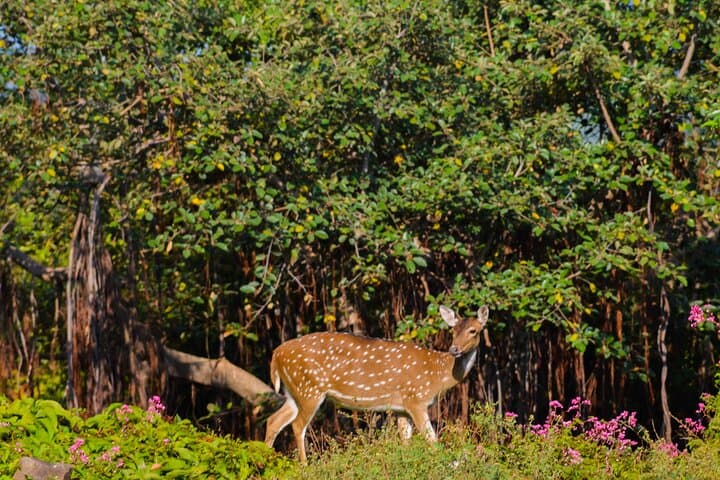
Wildlife scenes are episodic: Minneriya’s elephant gatherings that push against the horizon, Yala’s leopard country where sighting is luck and patience, and Udawalawe’s elephant numbers that feel close and immediate. Offshore, Mirissa’s whale boats launch at dawn—seasonal but often rewarding—tracking deep blue shapes where currents bring plankton and whales close to shore.
Practical rhythm: expect long driving days arranged with a private vehicle and driver—transfers between points can range from 1–5 hours depending on route and traffic. Entry fees for Sigiriya, Horton Plains and national parks are separate; safaris are best at dawn or late afternoon. Pack breathable layers for coastal heat and a warm fleece for hill mornings; waterproofs are useful if you travel in the monsoon windows. Bring insect repellent, a reusable water bottle, and a small daypack for hikes.
This itinerary is curated to reduce planning friction while delivering varied terrain and cultural touchpoints—temple visits in Kandy, a cinnamon islet in Madu Ganga, turtle hatcheries near Mirissa—making ten days a compact but complete orientation to Sri Lanka’s landscapes and life.
moderate.
10 days.
Moderate fitness; able to manage several hours of walking, short hikes with stairs, and long vehicle transfers.
December to March is ideal for the southern coast and Mirissa whale watching, while the Cultural Triangle is accessible year‑round; avoid the southwest monsoon heavy months if you want dry beach days.
No—entry fees for Sigiriya, Horton Plains and national parks are typically paid on site; your operator can advise on current rates and handle bookings.
Days vary; most walking is short (temple tours, Sigiriya climb, 6–9 km in Horton Plains). Good mobility and stamina for stairs and uneven terrain are recommended.
Whale sightings are seasonal and depend on currents; November–April yields the highest probability of blue whale encounters, but sightings are never guaranteed.
Yes—most operators and hotels will accommodate dietary requirements with advance notice; note vegetarian and halal options are widely available in Sri Lanka.
Visitors typically need a valid passport and an Electronic Travel Authorization (ETA); routine vaccinations are recommended—check CDC or your local travel clinic for current guidance.
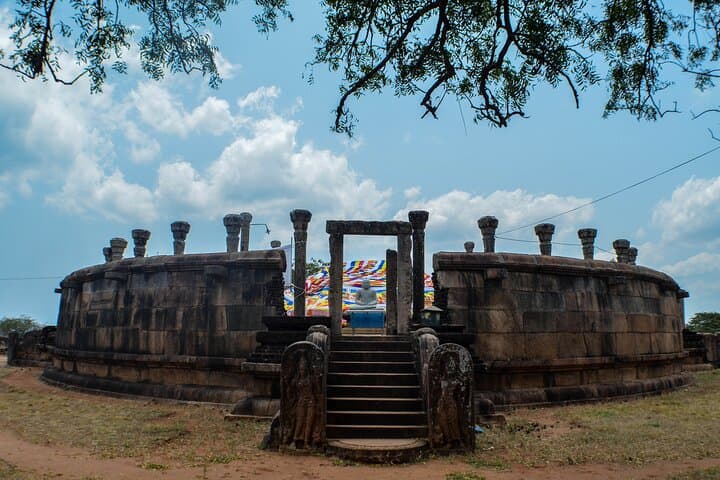
Sigiriya was transformed into a fortified palace by King Kashyapa in the 5th century CE; Kandy later became the last independent kingdom and houses the Tooth Relic, central to Sri Lankan Buddhist heritage.
Sri Lanka’s parks and coasts face pressure from development and tourism; support certified operators, avoid single‑use plastics, and follow park rules to reduce impact.
Green Leaf Holidays operates guided outdoor trips and adventures with an emphasis on safety, stewardship, and memorable experiences.
The first light finds you on a roadside in central Sri Lanka, the engine of an air‑conditioned van humming while palms and paddy fields slide past like pages in a travel journal. Over ten days this private loop moves fast and deliberate—long sandy beaches at Negombo, the vertical drama of Sigiriya rock, the cool tea terraces around Nuwara Eliya, two full safaris and a morning at sea chasing whales off Mirissa. It reads like a sampler of the island, but each stop holds an independent, tactile appeal.
The first light finds you on a roadside in central Sri Lanka, the engine of an air‑conditioned van humming while palms and paddy fields slide past like pages in a travel journal. Over ten days this private loop moves fast and deliberate—long sandy beaches at Negombo, the vertical drama of Sigiriya rock, the cool tea terraces around Nuwara Eliya, two full safaris and a morning at sea chasing whales off Mirissa. It reads like a sampler of the island, but each stop holds an independent, tactile appeal.
Sigiriya’s crag rises about 200 meters from the plain; climbing its steel steps means shifting between frescoed galleries, a crown of jagged boulders and a view across scrubland and reservoirs. The rock is a 5th‑century imprint of King Kashyapa’s ambition—palace ruins and engineered water gardens that reveal early hydraulic ingenuity more than courtly vanity.
From the dry lowlands you’re carried up into the hill country where Nuwara Eliya sits at roughly 1,900 meters. The climate cools, tea estates roll in geometric green waves, and the Horton Plains plateau offers a short but sharp hike (plan for a 6–9 km loop with modest elevation changes and exposed windy sections to World’s End). Geology here is old gneiss and granite carved by erosion into rounded hills; the soil and rainfall make it tea country for a reason.
Wildlife scenes are episodic: Minneriya’s elephant gatherings that push against the horizon, Yala’s leopard country where sighting is luck and patience, and Udawalawe’s elephant numbers that feel close and immediate. Offshore, Mirissa’s whale boats launch at dawn—seasonal but often rewarding—tracking deep blue shapes where currents bring plankton and whales close to shore.
Practical rhythm: expect long driving days arranged with a private vehicle and driver—transfers between points can range from 1–5 hours depending on route and traffic. Entry fees for Sigiriya, Horton Plains and national parks are separate; safaris are best at dawn or late afternoon. Pack breathable layers for coastal heat and a warm fleece for hill mornings; waterproofs are useful if you travel in the monsoon windows. Bring insect repellent, a reusable water bottle, and a small daypack for hikes.
This itinerary is curated to reduce planning friction while delivering varied terrain and cultural touchpoints—temple visits in Kandy, a cinnamon islet in Madu Ganga, turtle hatcheries near Mirissa—making ten days a compact but complete orientation to Sri Lanka’s landscapes and life.